





Preparing for the Future: ECB Invites Merchants to Shape the Digital Euro
As the financial landscape shifts toward digitization, the European Central Bank (ECB) is taking a decisive step toward modernizing the eurozone’s monetary framework. The central bank has officially opened a call for participation, inviting e-commerce and mobile-commerce retailers to collaborate on a comprehensive 12-month pilot program for the digital euro.
This initiative, slated to commence in the latter half of 2027, serves as a critical dress rehearsal for a potential full-scale launch by 2029.
Strengthening Monetary Autonomy
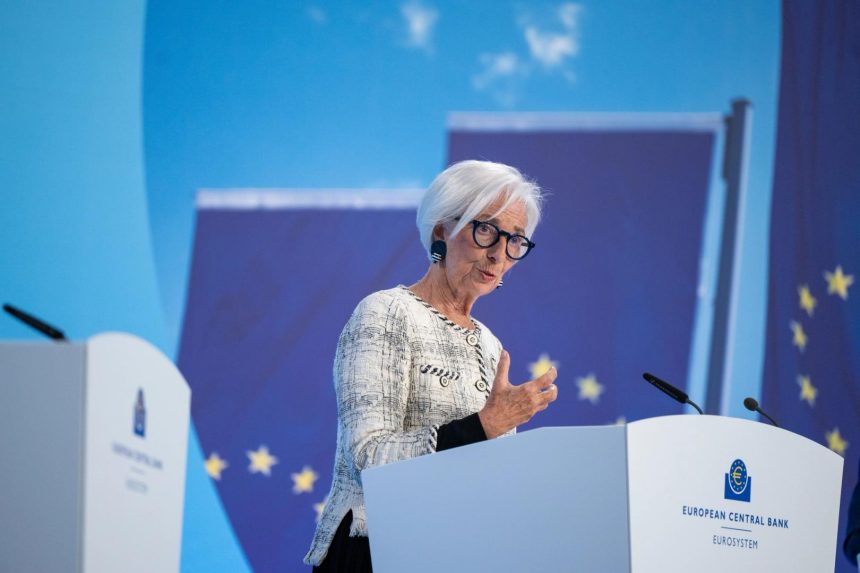
ECB President Christine Lagarde has frequently emphasized that the digital euro is more than just a technological upgrade; it is a strategic necessity. By establishing a sovereign digital currency, the ECB aims to fortify Europe’s monetary independence.
Currently, the rise of private, USD-pegged stablecoins poses a challenge to the traditional financial order within the bloc. By providing a state-backed alternative, the ECB hopes to mitigate the risks associated with over-reliance on foreign-denominated digital assets, ensuring that the euro remains the primary anchor for the European economy.
Inside the 2027 Pilot Program
The upcoming trial is designed to stress-test the infrastructure of a retail Central Bank Digital Currency (CBDC). While the currency used during this phase will be a beta version-and therefore not recognized as legal tender-it will mimic the functionality of the final product.
Key areas of focus for the pilot include:
* Omnichannel Integration: Testing seamless payment flows across mobile apps, web-based storefronts, and physical point-of-sale systems.
* Peer-to-Peer Functionality: Evaluating how the currency handles direct transfers between individuals.
* Operational Resilience: Assessing the backend processes required to handle high-volume transactions securely.
Why Merchant Participation is Critical
The success of any new payment method hinges on widespread adoption. For the digital euro to gain traction, it must offer tangible benefits over existing credit card networks and digital wallets.
Industry analysts suggest that the ECB’s primary lever for success will be cost-efficiency. By offering lower transaction fees compared to traditional payment processors, the digital euro could incentivize merchants to integrate the system into their checkout flows. Furthermore, as digital payments continue to grow-with recent data indicating that non-cash transactions in the EU have increased by over 10% annually-the timing for a standardized, low-cost digital currency is optimal.
“The goal is to create a user experience that is as intuitive as a contactless card tap, but with the security and backing of the central bank,” noted a spokesperson for the project.
As the 2029 target for issuance approaches, this pilot will provide the essential data needed to refine the user experience and ensure that the digital euro can coexist with, and eventually enhance, the current European payment ecosystem.





![[Interview] EDMTalks With Zorza: Internet Niche Fame, North Coast, and Euphoria](https://www.mixtv1.com/wp-content/uploads/2026/09/32121-attachment.jpg)