


A Fresh Perspective on the Fire Emblem Legacy
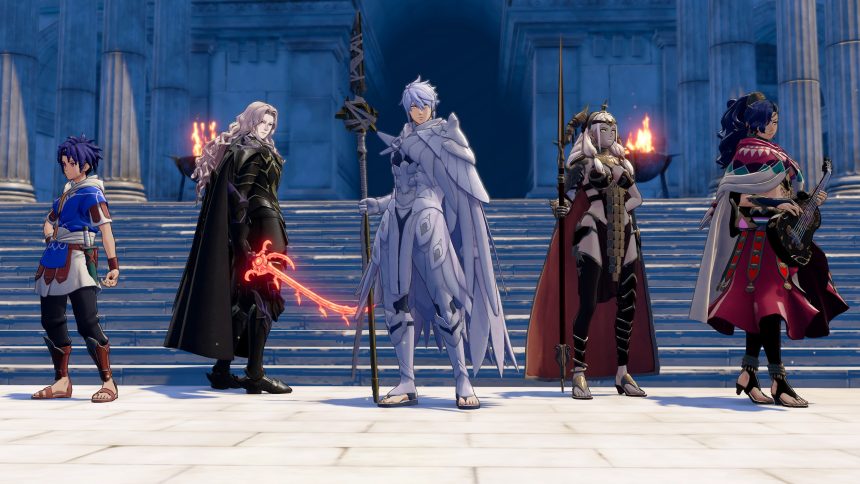
Historically, I have never been particularly drawn to the Fire Emblem franchise. While Nintendo’s tactical fantasy series shares a lineage with the 2003 classic Advance Wars-a title I thoroughly enjoyed on the Game Boy Advance for its turn-based mechanics-the high-fantasy melodrama of Fire Emblem never quite resonated with me. However, the latest entry, Fortune’s Weave, which launches this week as a Switch 2 exclusive, has finally managed to capture my attention. Rather than a singular, dense narrative, the game presents four distinct, compelling story arcs that kept me engaged from start to finish.
Evolution of the Tactical RPG Experience
My relationship with the series has been sporadic, characterized by brief check-ins rather than long-term commitment. I’ve sampled several iterations that graced the original Nintendo Switch, observing how the franchise has shifted its focus toward deeper character development and social simulation elements. A standout in this regard was Fire Emblem: Three Houses. That title was a watershed moment for the series, earning widespread critical praise for its ambitious narrative structure and the way it blended tactical combat with a sprawling, multi-layered social calendar.
Why Fortune’s Weave Breaks the Mold
The gaming industry has seen a significant shift in how strategy titles are consumed; according to recent market data, players are increasingly prioritizing narrative depth alongside mechanical complexity. Fortune’s Weave leans into this trend by moving away from the singular, linear campaign model. By offering four interconnected stories, the game provides a level of replayability that feels less like a chore and more like exploring different facets of a complex world. It is akin to reading a collection of short stories set in the same universe, where each perspective informs the others, rather than being forced to slog through a single, monolithic plot that may not always hit the mark.