





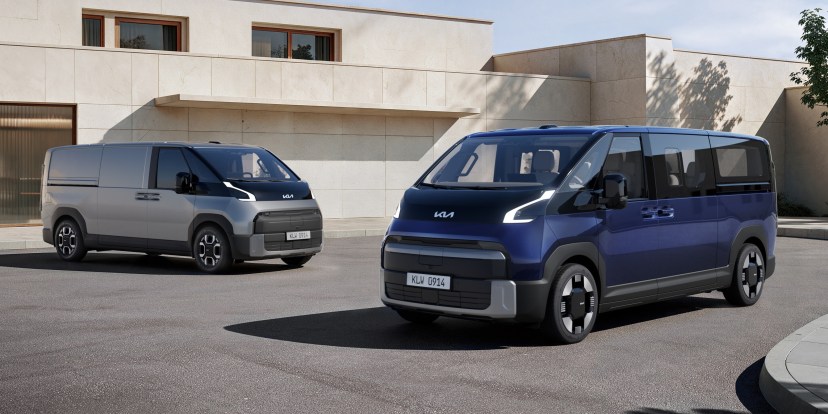
Kia’s Strategic Expansion: The PV7 Electric Van Takes Center Stage
At the recent IAA Transportation 2026 exhibition in Hanover, Germany, Kia made a significant splash by pulling the curtain back on its latest electric workhorse: the PV7. As the second vehicle to utilize the specialized E-GMP.S architecture-following the debut of the smaller PV5-the PV7 is engineered to redefine modularity in the commercial EV sector.
A Modular Powerhouse for Diverse Needs
The core philosophy behind the PV7 is extreme adaptability. By leveraging the E-GMP.S platform, Kia has created a chassis that serves as a blank canvas for various business requirements. The company has ambitious plans to roll out a staggering 23 distinct configurations in the coming years, ensuring that whether a business needs a mobile workshop, a delivery vehicle, or a shuttle, there is a tailored solution available.
To put this into perspective, the current market for electric commercial vehicles is projected to grow at a CAGR of over 15% through 2030, and Kia’s “Platform Beyond Vehicle” (PBV) strategy is clearly designed to capture a significant slice of that pie by offering unprecedented customization.
Configuration and Capacity
Kia is prioritizing versatility right out of the gate. The initial rollout will focus on two primary archetypes:
* Cargo Variants: Designed for logistics and trade professionals, these will be available in two-seat or three-seat layouts to maximize internal storage volume.
* Passenger Variants: These models prioritize people-moving capabilities. The global version is configured to transport up to 9 individuals, while the domestic Korean market will benefit from an extended layout capable of seating up to 11 passengers.
Performance and Battery Tech
Under the floorboards, the PV7 is built for endurance. Kia has confirmed that the vehicle will launch with two distinct nickel-cobalt-manganese (NCM) battery packs. The entry-level configuration will feature a 71.5 kWh battery, providing a robust balance between weight, cost, and range. This choice of chemistry reflects a commitment to high energy density, which is critical for heavy-duty commercial applications where downtime must be kept to an absolute minimum.