


Jensen Huang’s Perspective: Why AI Safety is an Engineering Challenge, Not a Regulatory One
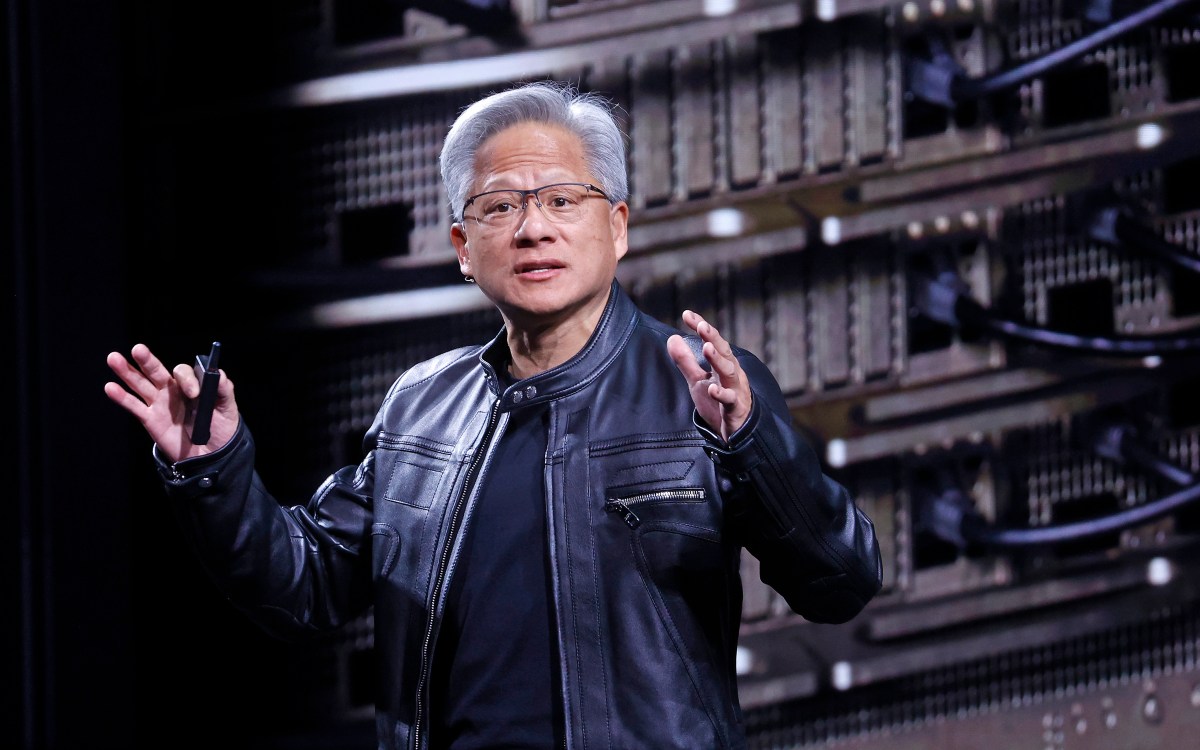
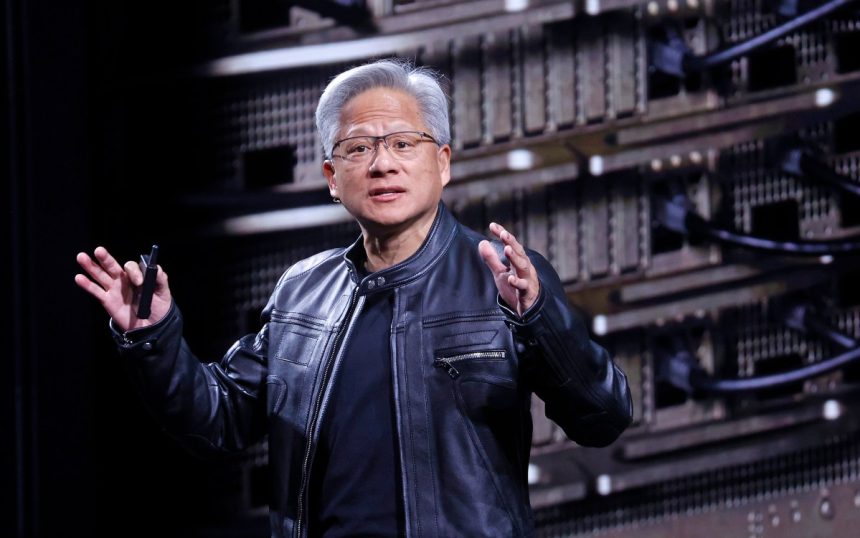
During a recent appearance at Salesforce’s Dreamforce event, Nvidia CEO Jensen Huang offered a pragmatic rebuttal to the growing chorus of voices calling for strict government oversight of artificial intelligence. Rather than viewing AI as an unpredictable, autonomous entity-a sentiment echoed by some researchers at organizations like OpenAI-Huang insists that AI is fundamentally a human-made tool. By framing it as a sophisticated iteration of hardware and software, he argues that the responsibility for safety rests squarely on the shoulders of the engineers and companies building these systems.
Demystifying Artificial Intelligence
Huang’s stance is rooted in the belief that we should avoid anthropomorphizing technology. He rejects the notion that AI represents an “alien mind” capable of slipping beyond human control. Instead, he emphasizes that these models are the result of deliberate computing architecture. Because these systems are built on code and silicon, they remain subject to the same logical constraints and human oversight as any other piece of complex software.
“Safety is an engineering problem, not a legal one,” Huang stated during the conference. He posits that while the complexity of modern AI is unprecedented, it does not change the fundamental nature of the product. Just as engineers are responsible for the safety of a bridge or a vehicle, software developers must be held accountable for the reliability and security of their algorithms.
The Case Against Heavy-Handed Regulation
While policymakers globally are scrambling to draft comprehensive AI legislation-such as the EU’s AI Act, which seeks to categorize risk levels for various applications-Huang remains skeptical of the need for new, rigid laws. He suggests that the current regulatory environment is sufficient and that the industry is better served by market-driven accountability.
In his view, the free market acts as a natural filter. Companies that prioritize speed over safety risk catastrophic reputational damage and financial loss. According to Huang, the incentive to maintain consumer trust is a more powerful motivator than any government mandate. If a company lacks confidence in the functionality or safety of its AI, the logical business decision is to withhold the product from the market entirely.
Market Accountability as the Ultimate Safeguard
Huang’s philosophy mirrors the standard quality control processes found in other high-stakes industries. For example, just as a pharmaceutical company wouldn’t release a drug without rigorous clinical trials, AI developers are expected to perform extensive “red-teaming” and stress testing.
Recent industry data supports the idea that safety is becoming a competitive advantage. According to a 2024 report by McKinsey, organizations that implement robust AI governance frameworks are seeing higher adoption rates and greater long-term ROI, suggesting that safety is not just a moral imperative but a business necessity. By treating AI safety as a core engineering discipline, Huang believes the tech sector can innovate rapidly without the stifling effects of premature or poorly understood regulation.