



The Evolution of Resident Evil: From Niche Adaptations to Cinematic Horror-Comedy
For decades, the intersection of gaming and cinema was a rocky road. When Paul W.S. Anderson introduced his interpretation of Resident Evil in 2002, the landscape for video game adaptations was precarious. While earlier attempts like Mortal Kombat and Tomb Raider managed to find an audience, the industry was still reeling from the disastrous reputation of the 1993 Super Mario Bros. film. Anderson’s Raccoon City may have drawn crowds, but it frequently alienated the core Capcom fanbase by taking significant creative liberties that strayed far from the source material’s DNA.
A New Vision: Zach Cregger’s Fundamental Shift
The landscape has shifted dramatically since those early days. Today, video game adaptations are no longer a niche curiosity; they are a dominant force in Hollywood, bolstered by recent successes like The Last of Us and The Super Mario Bros. Movie, which have collectively grossed over $1.3 billion globally.
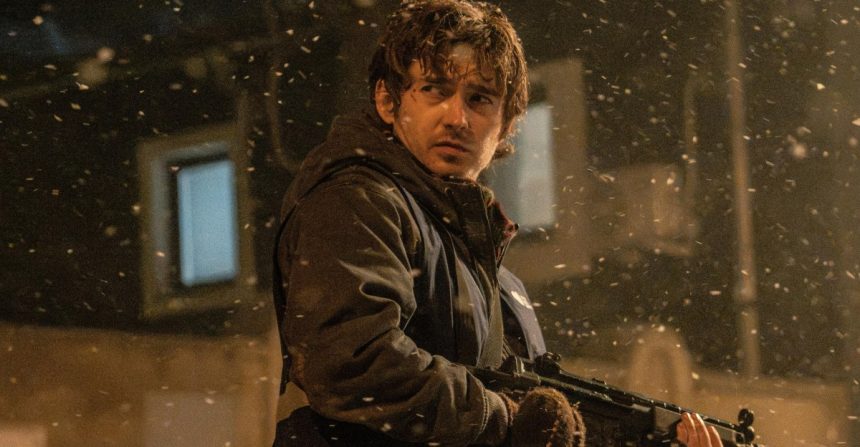
Stepping into this modern era, Weapons director Zach Cregger is breathing fresh life into the Resident Evil property. Rather than relying on the bloated, action-heavy tropes of the past, Cregger’s approach is a masterclass in returning to the franchise’s roots. By stripping the narrative down to its essential elements, he creates a claustrophobic, high-stakes environment that feels authentic to the survival-horror experience.
Horror Meets Humor: The New Aesthetic
What truly sets Cregger’s iteration apart is his daring tonal balance. He understands that true horror is often punctuated by the absurd. Much like the campy, B-movie charm found in the original 1996 game’s dialogue, Cregger utilizes dark humor to heighten the tension. His depiction of the infected is designed to be as grotesque as it is darkly comedic, forcing the audience to oscillate between genuine terror and nervous laughter.
This stylistic choice marks a maturation in how filmmakers handle source material. Instead of treating the games as mere blueprints for action sequences, Cregger treats them as a playground for genre-bending. If this project is any indication, we are entering a golden age for the franchise-one that respects the source material while fearlessly experimenting with tone to keep modern audiences on edge.