




Geothermal Innovation: Mazama Energy Secures $135M to Unlock Supercritical Power
The race to provide carbon-free, baseload power for the burgeoning AI sector has a new frontrunner. Mazama Energy, a pioneer in the enhanced geothermal space, recently announced the successful closure of a $135 million Series B funding round. This oversubscribed investment signals a growing institutional appetite for deep-earth energy solutions that can operate independently of weather conditions.
### Scaling Up: From Pilot Projects to Gigawatt Potential
With this fresh capital infusion, Mazama is accelerating its operational timeline. The company is currently refining its horizontal drilling techniques, which are designed to tap into extreme-temperature rock formations. Each individual well is engineered to yield approximately 15 megawatts of electricity-a significant output for a single borehole.
The company’s ambitions have expanded rapidly. Its flagship project in Oregon is now projected to generate 10 gigawatts of electricity. This figure represents a massive leap from previous internal estimates; just last year, prominent investor Vinod Khosla noted the site’s potential at 5 gigawatts. This doubling of capacity projections underscores the rapid maturation of the technology and the efficiency gains achieved in recent drilling cycles.
### The “Dark Horse” of the Data Center Energy Crisis
As tech giants scramble to secure reliable power for energy-hungry AI data centers, the industry has largely pivoted toward natural gas to bridge the gap. However, enhanced geothermal energy is emerging as a formidable, cleaner alternative. While natural gas remains a common stopgap, geothermal startups are proving that they can provide the 24/7 “always-on” power that intermittent sources like wind and solar cannot provide alone.
### Engineering at the Edge: Tapping Into Supercritical Fluids
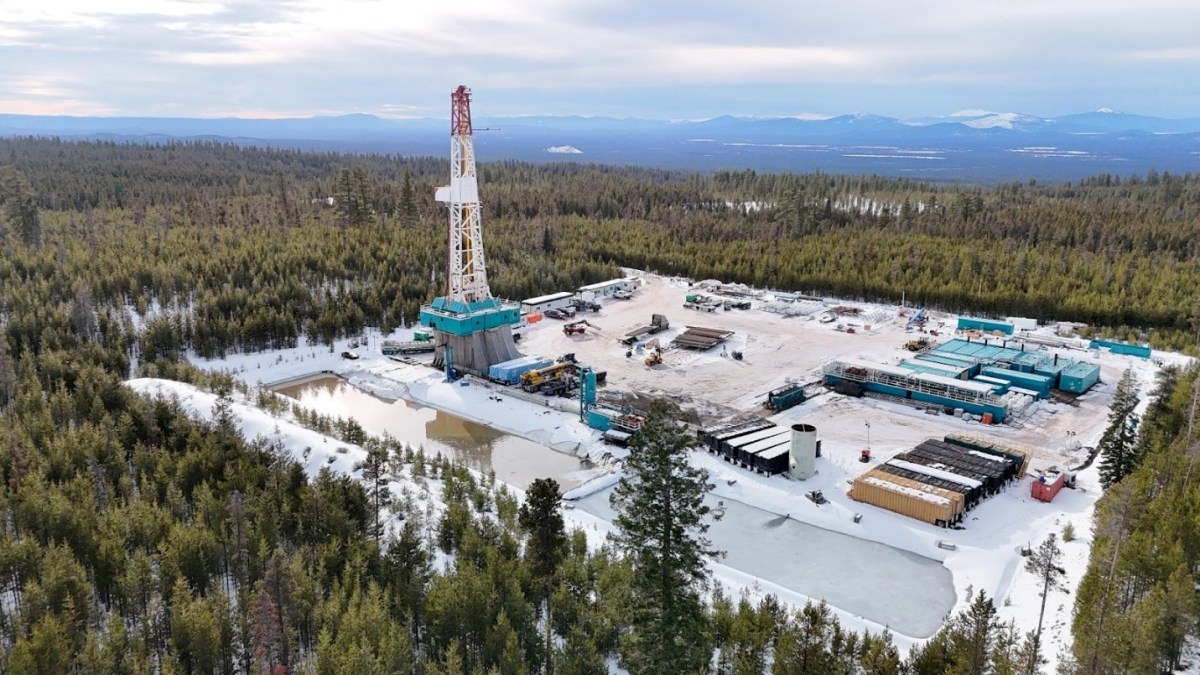
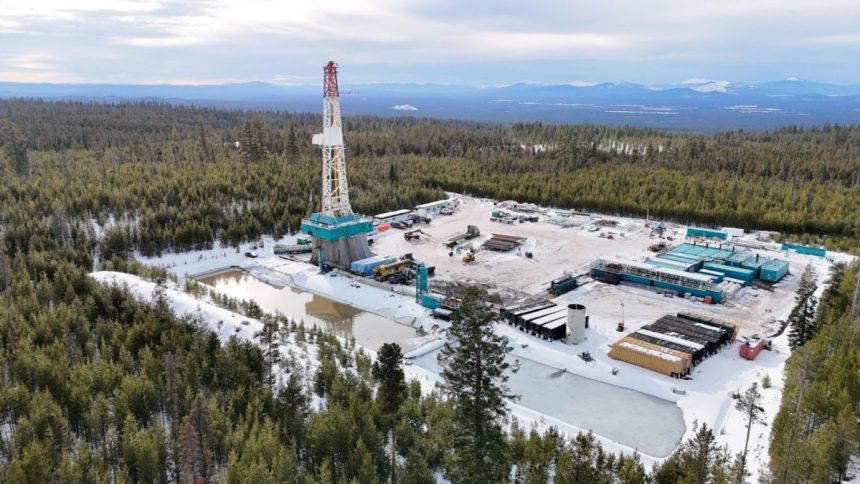
The core of Mazama’s competitive advantage lies in its ability to reach depths previously considered inaccessible or economically unviable. By utilizing advanced drilling rigs, the company has demonstrated the ability to penetrate past 10,000 feet in just over two weeks, with a target depth of 15,000 feet.
At these extreme depths, the company encounters temperatures reaching 750˚ F (400˚ C). Under the immense pressure found at these levels, water transitions into a “supercritical” state. In this phase, the fluid behaves as a hybrid-possessing the density of a liquid but the viscosity of a gas. This unique state allows the fluid to absorb and transport significantly more thermal energy than traditional steam, drastically increasing the efficiency of the power generation process.
With the first electricity generation slated for next year, Mazama Energy is moving quickly to prove that the heat beneath our feet can serve as the backbone for the next generation of computing infrastructure.