


Apple Unveils visionOS 27: A Major Leap for Spatial Computing
Apple has officially rolled out visionOS 27, marking the fourth significant iteration of the operating system powering the Apple Vision Pro. While the release arrived with a surprisingly quiet debut, it represents a substantial technical evolution for the platform, introducing features that fundamentally change how users interact with their digital environments.
Key Technical Advancements and Features
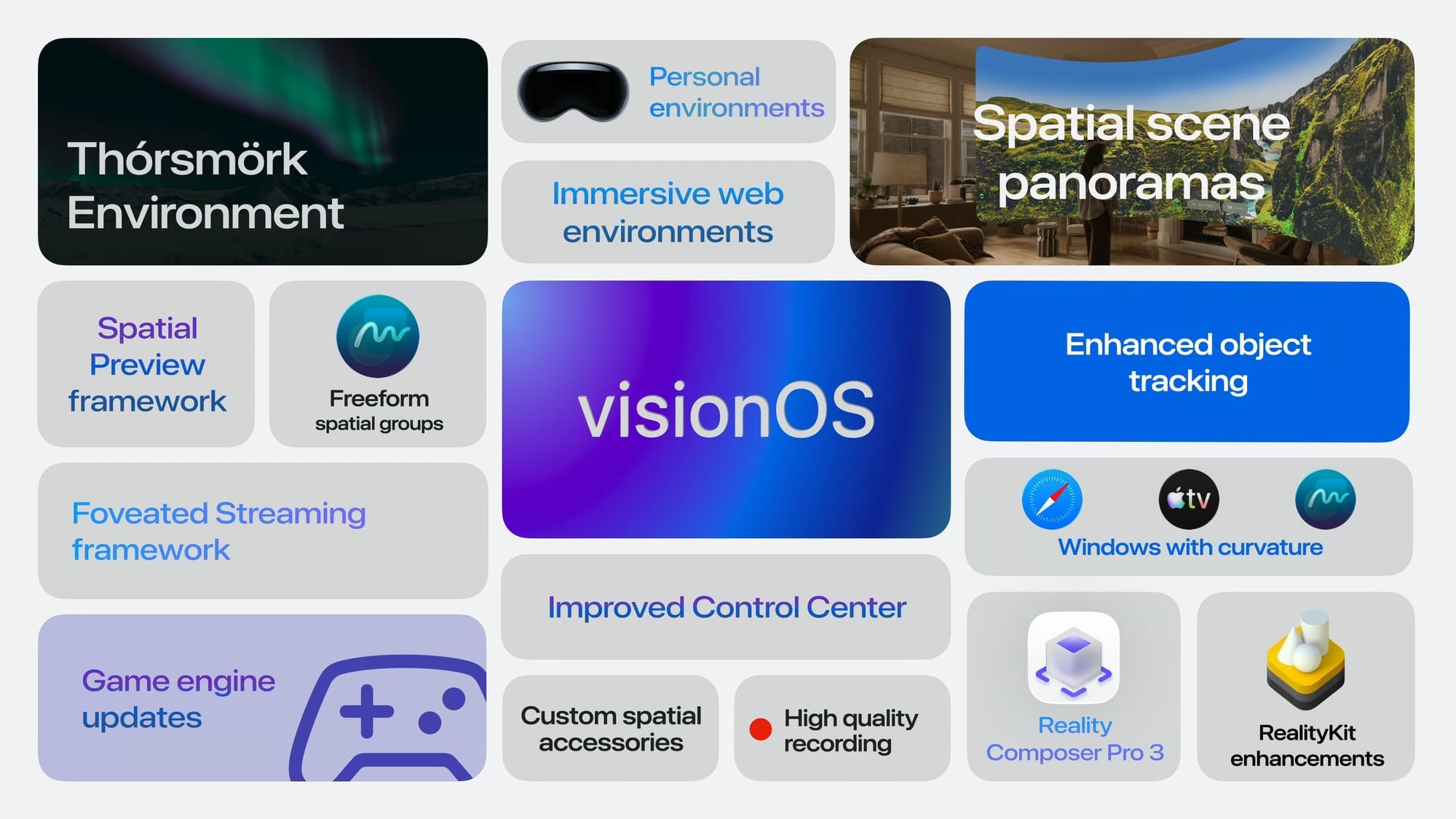
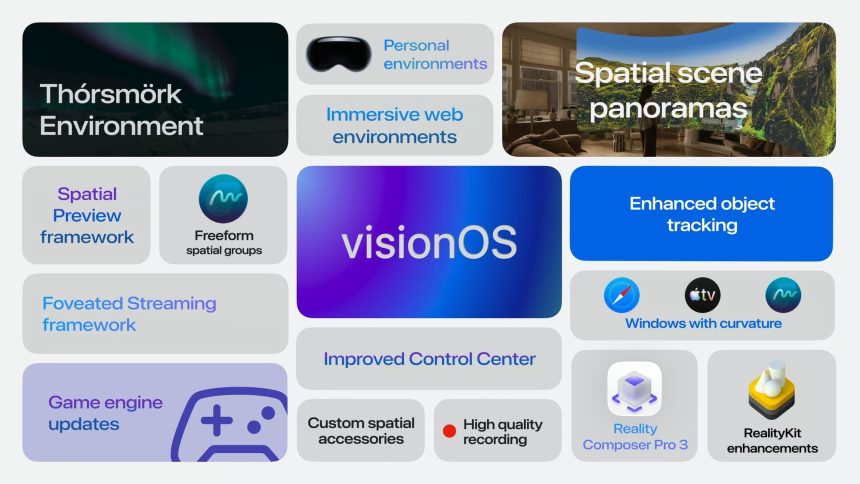
Under the hood, visionOS 27 is packed with sophisticated capabilities designed to bridge the gap between physical and virtual workspaces. Among the most notable additions is the implementation of preconfigured held-object tracking, which allows the headset to recognize and anchor digital interfaces to real-world items with greater precision. Furthermore, the introduction of an IR LED tracked accessories framework opens the door for specialized peripherals, potentially revolutionizing professional workflows in design and engineering.
Content creators will also benefit from the new high-quality, unfoveated screen recording functionality. This update addresses long-standing feedback regarding capture quality, ensuring that recorded spatial experiences maintain clarity across the entire field of view rather than just the focal point. These updates are fully supported across both the M2 and M5 iterations of the Apple Vision Pro hardware.
Siri AI and Visual Intelligence Integration
Perhaps the most anticipated component of this update is the beta launch of Siri AI. By leveraging Apple’s advanced Large Language Model (LLM) architecture, the digital assistant has been completely reimagined for spatial computing. This integration allows for more natural, context-aware interactions, enabling users to manipulate their virtual surroundings through complex voice commands and enhanced visual intelligence.
As spatial computing continues to mature-with market projections suggesting the sector could reach a valuation of over $400 billion by 2030-updates like visionOS 27 are critical. By refining the synergy between AI-driven assistance and hardware-level tracking, Apple is positioning the Vision Pro not just as a media device, but as a primary computing platform for the next decade.