



The iPhone 18 Pro Series Hits Shelves: A Shift in Apple’s Pricing Strategy
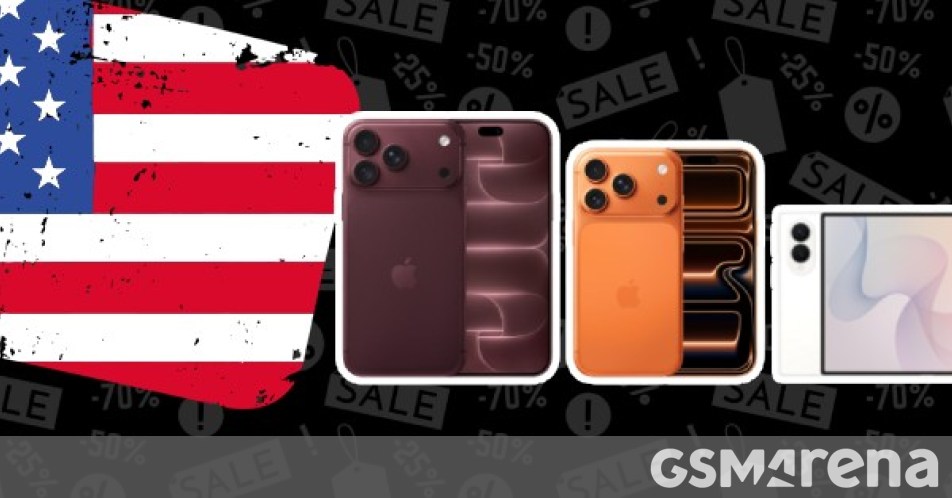
The latest flagship devices from Apple, the iPhone 18 Pro and iPhone 18 Pro Max, have officially arrived. As of this week, consumers in the United States and 64 other global markets can purchase these handsets. However, those anticipating the release of the iPhone Duo will need to exercise patience, as its market debut is still over a month away.
Understanding the New Pricing Landscape
If you are planning to upgrade, it is important to note that the iPhone 18 Pro series carries a premium. Apple has implemented a $100 price increase compared to the launch MSRP of the iPhone 17 Pro and 17 Pro Max.
Historically, Apple’s product lifecycle followed a predictable pattern: the introduction of a new generation would trigger the discontinuation of the previous year’s Pro models, while standard models would receive a $100 discount. This year, however, the company has deviated from that script. Not only is the rollout staggered-with no standard or “Air” models currently available-but older inventory has actually seen a $100 price hike rather than a reduction.
Why the Secondary Market Remains Vital
Because Apple typically pulls its Pro models from its official storefront immediately upon the announcement of a successor, the primary market for older hardware has shifted. Even if the iPhone 17 Pro were still being sold directly by Apple, the recent pricing adjustments would have rendered it less attractive. With the 17 Pro originally debuting at $1,100, a $100 increase would have brought its cost to $1,200-the exact same entry point as the brand-new iPhone 18 Pro.
For those looking to avoid the higher costs of the latest hardware, third-party retailers remain the primary destination for previous-generation devices. While Apple’s direct-to-consumer strategy focuses heavily on the latest tech, the secondary market continues to provide essential alternatives for budget-conscious buyers who still want the “Pro” experience.