


Lionsgate
The Dichotomy of Stallone’s Iconic Roles
For decades, audiences have viewed the Rocky saga as a form of public catharsis for Sylvester Stallone. As comedian Patton Oswalt famously posited, the franchise serves as a mirror to the actor’s own evolution. Each installment functions as a chapter in a real-life memoir: Rocky captures the hunger of an underdog, Rocky II navigates the disorienting nature of sudden celebrity, and Rocky III explores the isolation of the elite. Later entries like Rocky Balboa serve as a poignant meditation on aging, while Creed represents the graceful transition into a mentorship role. Even when the narrative quality dipped-such as in the bloated Creed II-the series remained a compelling, albeit flawed, window into Stallone’s psyche.
Why Rambo Never Quite Hit the Same Emotional Note
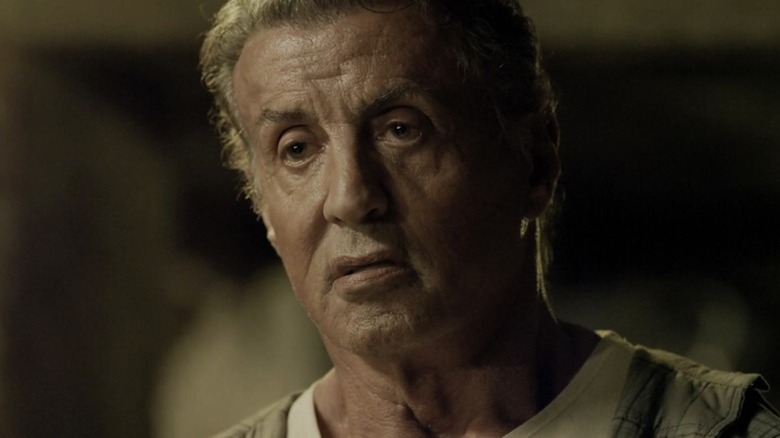
While the Balboa character is inextricably linked to Stallone’s personal growth, the John Rambo persona occupies a different space in his filmography. Unlike the deeply introspective journey of the Philadelphia boxer, the Rambo series has historically functioned as a high-octane action vehicle rather than a character study. By the time Rambo: Last Blood arrived in theaters, the franchise had shifted from the gritty, trauma-informed roots of First Blood into a stylized, hyper-violent revenge fantasy that felt disconnected from the character’s original essence.
The Legacy Sequel Problem
The struggle to maintain relevance in “legacy sequels” is a common pitfall in Hollywood. According to recent industry data, while nostalgia-driven reboots often see an initial box office spike, they frequently suffer from a sharp decline in critical reception if they fail to evolve the character’s core motivations. Rambo: Last Blood serves as a prime example of this disconnect; it traded the psychological depth that defined the 1982 original for a generic “home invasion” structure that felt more akin to a B-movie thriller than a meaningful conclusion to a legendary soldier’s arc. While Rocky Balboa was allowed to age with dignity, John Rambo was forced into a final chapter that prioritized spectacle over the nuanced exploration of PTSD that made the character an icon in the first place.