
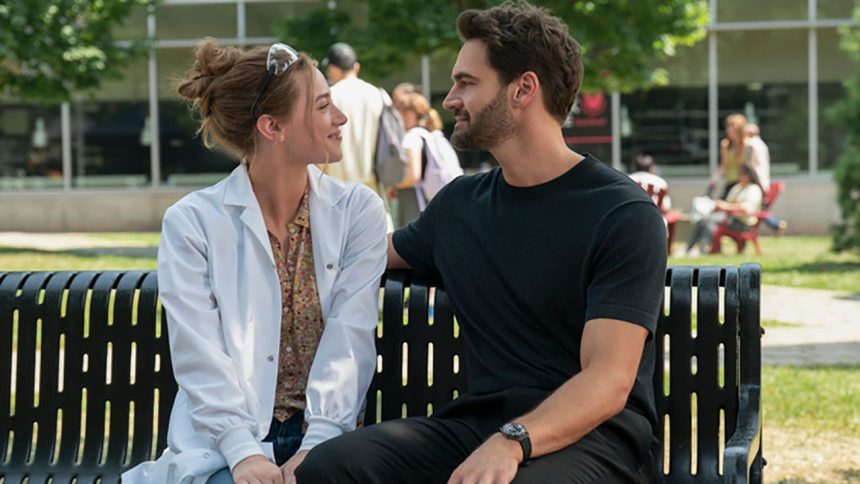
From Fan Fiction to Prime Video: The Evolution of The Love Hypothesis
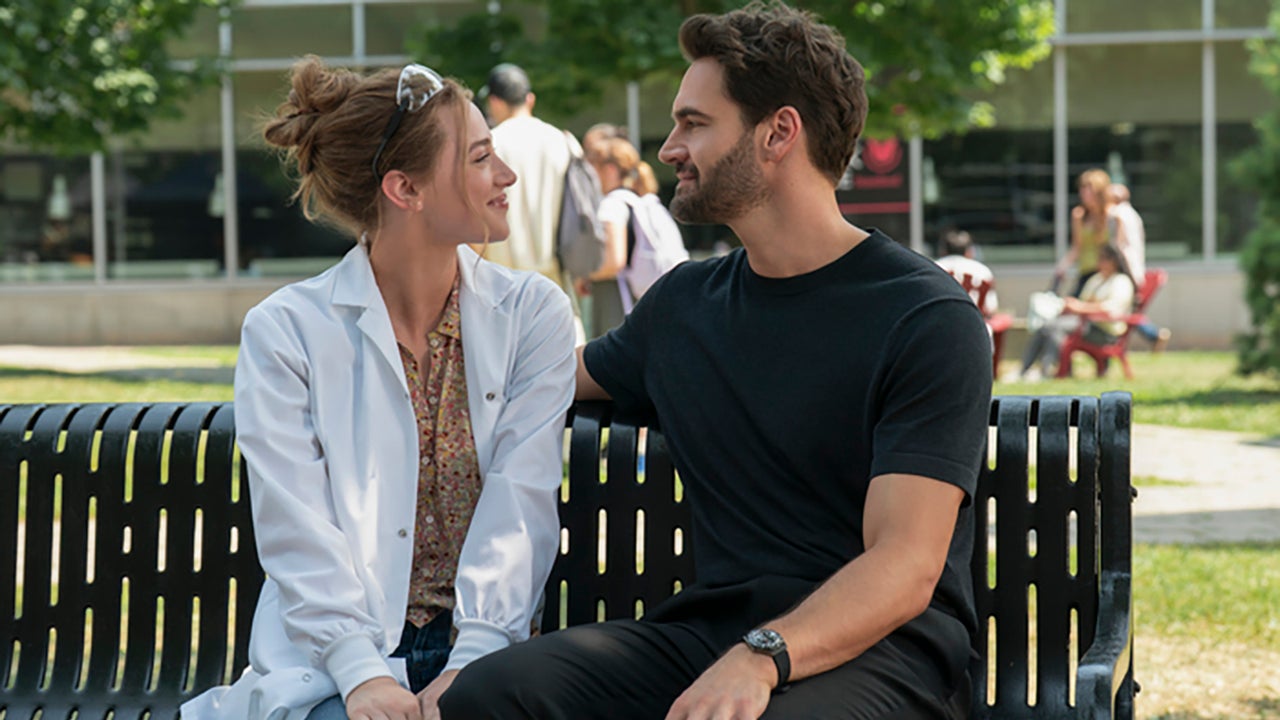
Mark your calendars: The Love Hypothesis makes its exclusive debut on Prime Video this September 23. While it may appear to be a standard entry in the romantic comedy genre, the film’s origins are anything but conventional. Based on Ali Hazelwood’s 2021 New York Times bestselling novel, the story carries a unique creative legacy that sets it apart from typical literary adaptations.
The “Reylo” Connection: A Creative Response to Star Wars
The narrative arc of The Love Hypothesis is deeply rooted in the world of fandom. Hazelwood originally penned the story as a form of catharsis, born from her dissatisfaction with the trajectory of the Star Wars sequel trilogy. Specifically, she felt the character arcs of Rey and Kylo Ren (Ben Solo) were mishandled in Star Wars: The Rise of Skywalker.
Rather than simply venting her disappointment, Hazelwood channeled her energy into writing fan fiction to provide the closure she felt the characters deserved. This creative endeavor eventually blossomed into a standalone novel, which exploded in popularity thanks to the “BookTok” community on TikTok. According to recent publishing industry data, BookTok has been a massive driver for fiction sales, with millions of readers discovering new titles through viral recommendations-a trend that propelled Hazelwood’s work from niche fan fiction to a global literary phenomenon.
Why This Rom-Com Hits Differently
Understanding the backstory of The Love Hypothesis adds a fascinating layer to the viewing experience. Because it was born from a desire to “fix” a narrative, the film is crafted with a distinct, modern sensibility that resonates with contemporary audiences.
Whether you are a die-hard fan of the original novel or a newcomer looking for a lighthearted, engaging film, The Love Hypothesis delivers. It succeeds by leaning into the magnetic chemistry of its ensemble cast, offering a charming and accessible experience that proves how powerful fan-driven storytelling can be in today’s media landscape.