




Elevating Health Tracking: A Closer Look at the Huawei Watch D3
Huawei continues to push the boundaries of wearable medical technology with the launch of the Watch D3. As the successor to the highly regarded Watch D2, this latest iteration refines the formula, offering significant hardware upgrades that cater to health-conscious users who demand both precision and performance.
Unboxing the Experience
When you open the box, the presentation feels familiar yet modernized. Huawei has listened to user feedback, replacing the outdated USB-A charging cable with a more versatile USB-C magnetic puck. Alongside the watch, the package includes a wrist circumference measuring tool and an M-sized strap, which integrates the signature inflatable airbag essential for clinical-grade blood pressure monitoring.
Design Refinements and Display Upgrades
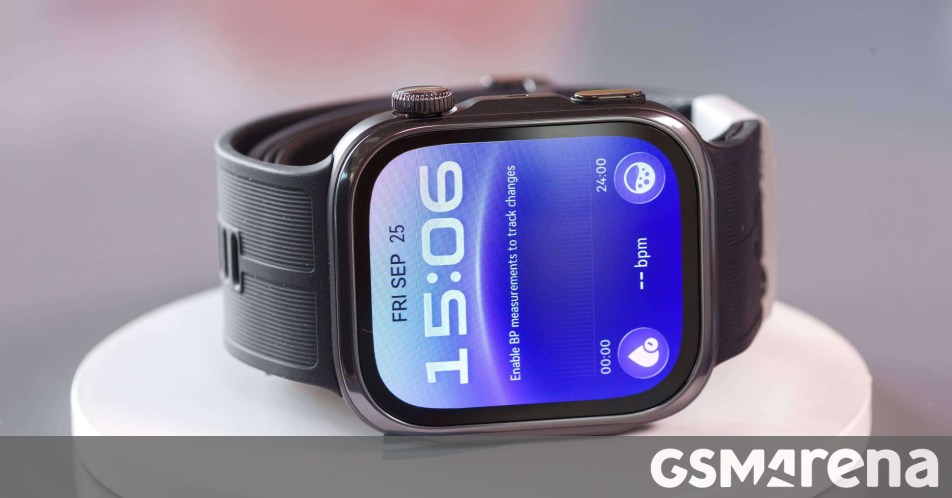
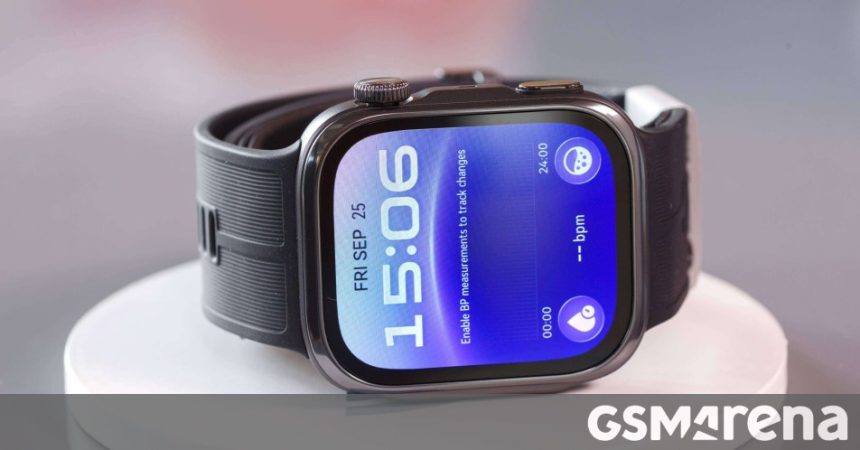
The most immediate difference lies in the hardware specifications. Huawei has successfully slimmed down the chassis to 11.3mm, a notable reduction from the 13.3mm profile of the previous generation. Despite this thinner build, the screen real estate has expanded to 1.92 inches, up from 1.82 inches.
Perhaps the most impressive change is the display brightness. With a peak output of 3,000 nits-doubling the 1,500 nits found on the D2-the screen remains perfectly legible even under harsh, direct sunlight. This is a massive advantage for outdoor athletes who need to check their vitals mid-run without squinting.
Performance and Connectivity
Under the hood, the Watch D3 receives a substantial boost in connectivity. By upgrading to Bluetooth 6.0 from the previous 5.2 standard, users can expect more stable data synchronization and improved power efficiency. This is critical for a device that constantly transmits health metrics to a smartphone.
Build Quality and Durability
In terms of ergonomics, the D3 maintains the lightweight, comfortable feel that made its predecessor a daily driver for many. While the device exudes a premium aesthetic, we are keeping a close eye on its long-term durability. The D2 was known for being somewhat prone to surface scratches; we are currently testing the D3 to see if the materials have been reinforced to better withstand the rigors of daily wear.
As the wearable market continues to grow-with global shipments expected to reach over 600 million units by 2027-Huawei’s commitment to specialized health hardware like the D3 positions it as a leader for those who prioritize medical-grade data over simple step counting.