




Unlocking the Artemis II Archive: A Deep Dive into NASA’s Massive Data Release
By Terrence O’Brien | October 11, 2026
For those who believed the visual and scientific narrative of the Artemis II mission had already been fully explored, a massive new update from the space agency proves otherwise. NASA has officially unveiled a colossal repository of mission assets, providing the public with an intimate, behind-the-scenes look at one of the most significant lunar endeavors in modern history.
A Digital Goldmine of Lunar Exploration
This week, NASA published a staggering 800GB collection of raw science data, high-definition imagery, and multimedia files via the Artemis II: Sights & Sounds of Science portal. This expansive archive serves as a comprehensive digital record, housing more than 11,000 individual photos and video clips, alongside over 8.5 hours of mission audio.
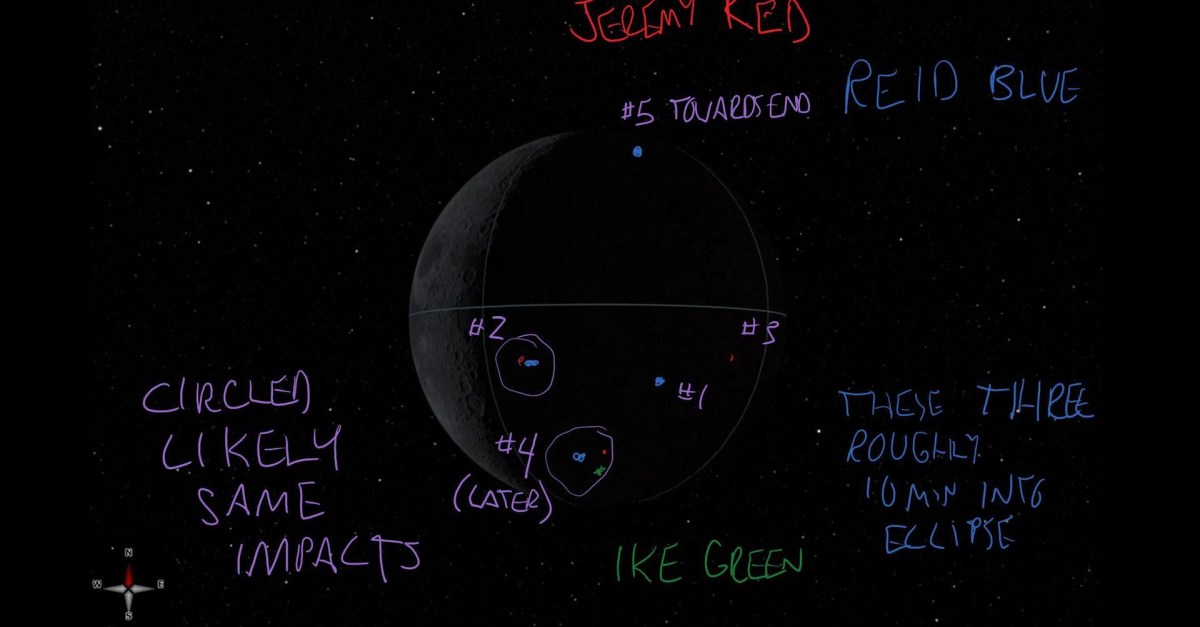
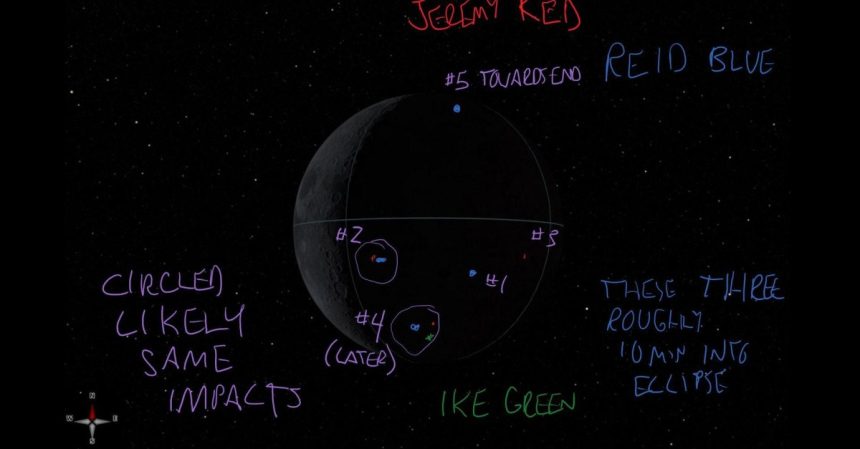
The depth of this release goes beyond mere aesthetics. It includes specialized, crew-annotated documentation-such as detailed imagery pinpointing the exact coordinates where astronauts observed impact flashes on the lunar far side. These records provide an unparalleled perspective on what it truly feels like to participate in a historic journey beyond our planet’s orbit.
Capturing the Human Element in Deep Space
Perhaps the most compelling aspect of this data dump is the raw, unfiltered communication between the crew and Mission Control in Houston. Among the highlights is footage capturing the precise moment the Artemis II team relayed their real-time observations of lunar impact flashes to ground support. This interaction serves as a powerful reminder of the human element inherent in space exploration, where astronauts act as the eyes and ears for scientists back on Earth.
To put the scale of this release into perspective, 800GB of data is roughly equivalent to 160 hours of high-definition video or millions of pages of text documents. By making this information publicly accessible, NASA is not only fostering transparency but also inviting researchers, students, and space enthusiasts to conduct their own analysis of the lunar environment. As we look toward future missions, these archives will undoubtedly serve as a foundational resource for understanding the challenges and triumphs of deep-space travel.