




MGM/UA
The Shadow of a Masterpiece: Why 2010 Often Goes Unnoticed
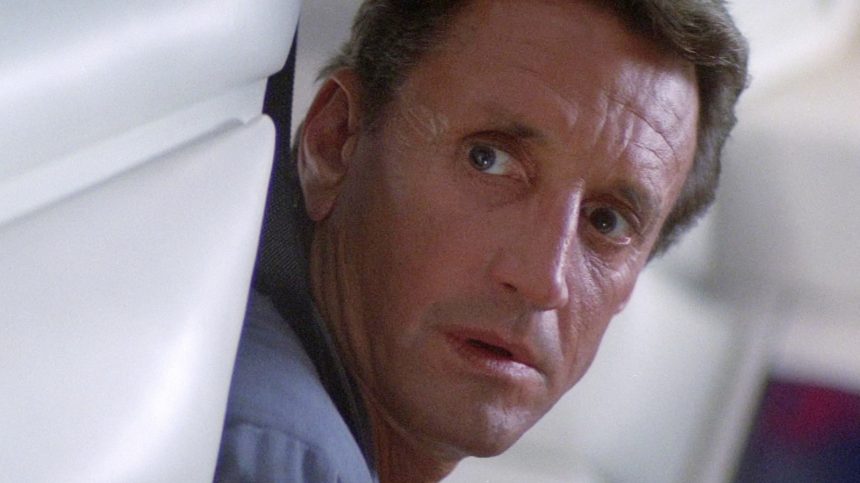
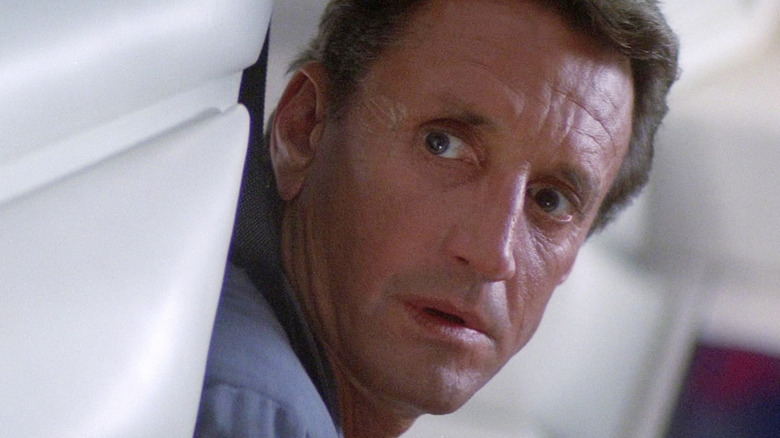
It is a cinematic curiosity that one of the most influential films in history, Stanley Kubrick’s 1968 magnum opus 2001: A Space Odyssey, actually spawned a follow-up. Released in 1984, 2010: The Year We Make Contact featured the legendary Roy Scheider in the lead role and managed to secure five Academy Award nominations. Despite these credentials, the film has largely faded from the cultural consciousness, often overshadowed by the towering legacy of its predecessor.
Kubrick’s Vision: Evolution Beyond Science Fiction
While 2010 struggles to maintain a foothold in modern pop culture, the original 2001 remains a permanent fixture in film history. Kubrick’s masterpiece is celebrated not just for its visual splendor, but for its philosophical depth. The narrative posits that space exploration is the inevitable catalyst for human evolution-a transition from our primitive origins to a higher state of existence. For Kubrick, the film was less about speculative technology and more about a spiritual metamorphosis. As noted in previous analysis, “2001” was far from science fiction for Kubrick; he viewed it as a profound meditation on the human condition.
The Legacy of Arthur C. Clarke
The intellectual foundation of this cinematic universe was built by Arthur C. Clarke, who co-authored the original screenplay. While modern audiences might compare the franchise to contemporary space epics like Interstellar or Gravity, the 2001 series remains unique in its slow-burn, meditative approach to the unknown. Even with the technical advancements of the 1980s, 2010 could not replicate the ethereal, avant-garde atmosphere that made the 1968 original a genre-defining experience. While the sequel attempted to provide concrete answers to the mysteries posed by the monolith, the original’s power lay in its ambiguity-a quality that continues to captivate audiences over 50 years later.