

A Sonic-First Philosophy: Redefining Development in Phantom Blade Zero
In the traditional landscape of video game development, the auditory experience is frequently treated as a final layer of polish-a finishing touch applied only after the core mechanics, level design, and visual assets have been solidified. However, S-Game is challenging this industry standard with their highly anticipated title, Phantom Blade Zero. By flipping the conventional production pipeline on its head, the studio is prioritizing the score as a foundational element rather than a reactive one.
Composing the Foundation: Music as a Blueprint
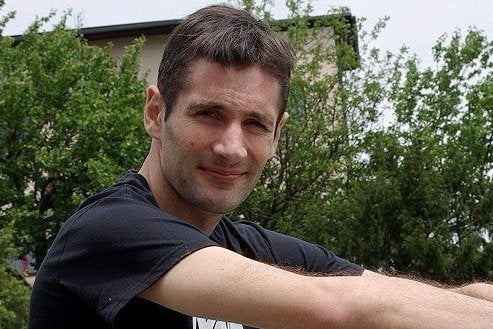
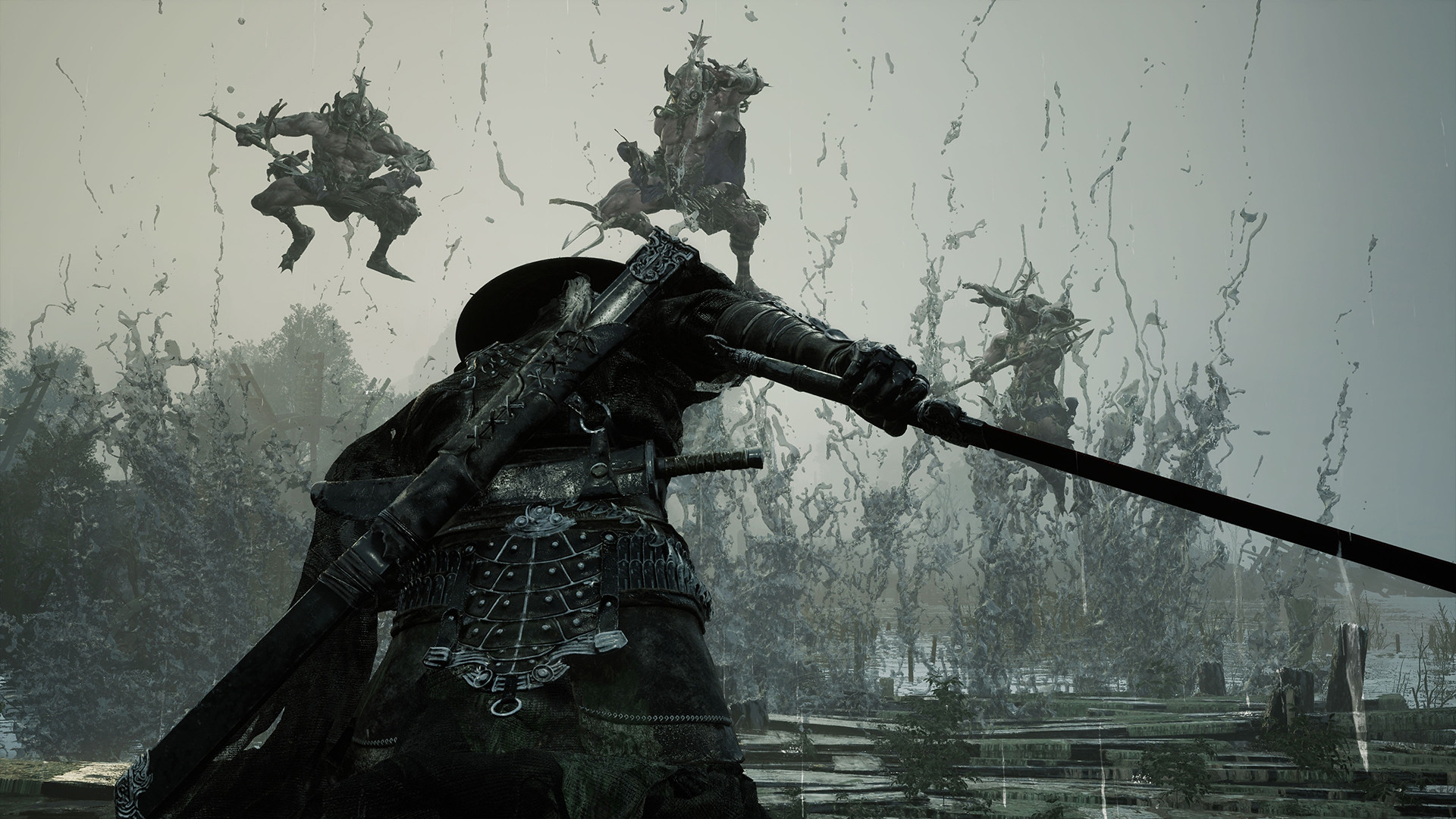
Caisheng Bo, the composer behind the game’s evocative soundscape, recently shared insights with PCGamesN regarding this unconventional workflow. In most projects, developers wait until a level or encounter is playable before commissioning a musician to capture its mood. For Phantom Blade Zero, Bo often found himself crafting intense boss fight themes before the actual combat encounters had even been conceptualized or modeled.
This approach mirrors the “leitmotif” strategy often used in high-budget cinema, where a character’s musical theme dictates their physical presence on screen. By establishing the emotional and rhythmic identity of a boss through sound first, the team ensures that the final gameplay experience feels inherently synchronized with its audio, rather than just accompanied by it.
The Creative Synergy Between Liang and Bo
This bold strategy is rooted in the deep professional rapport between creative director “Soulframe” Liang and Bo. Rather than providing a rigid brief, Liang empowered the composer to lead the creative direction of these encounters. Bo recounted instances where Liang would listen to a completed track and immediately pivot the design process, noting, “Okay, this sounds good. Yeah, let me create a boss to match your music.”
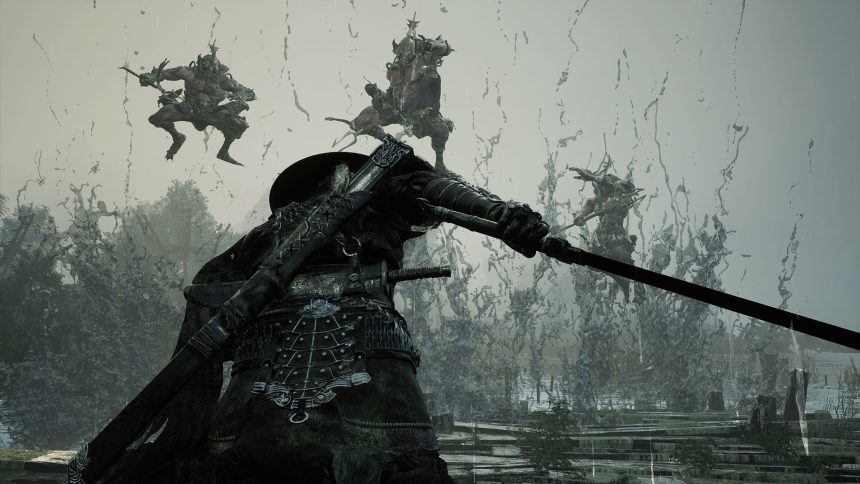
A prime example of this collaborative evolution occurred in 2023 during the development of the “line dance” boss. Instead of the music being tailored to the boss’s movement patterns, the boss’s animations and attack rhythms were choreographed to fit the specific tempo and intensity of the composition Bo had already delivered.
Why This Matters for Modern Gaming
This “music-first” methodology is a rarity in an industry where development costs are skyrocketing. According to recent industry data, audio production typically accounts for only 5-10% of a game’s total development budget, often relegated to the final stages of production. By integrating music early, S-Game is likely to achieve a level of immersion that feels more cohesive than titles where the soundtrack is merely an overlay. Much like how a film score can elevate a scene from mundane to iconic, Phantom Blade Zero is betting that its auditory DNA will define the player’s visceral reaction to its combat.