




When you purchase through links in our articles, we may earn a small commission. This doesn’t affect our editorial independence.
The Hidden Risks of AI Chat Sharing: A Security Wake-Up Call
Analysis by our Tech Desk | October 23, 2026
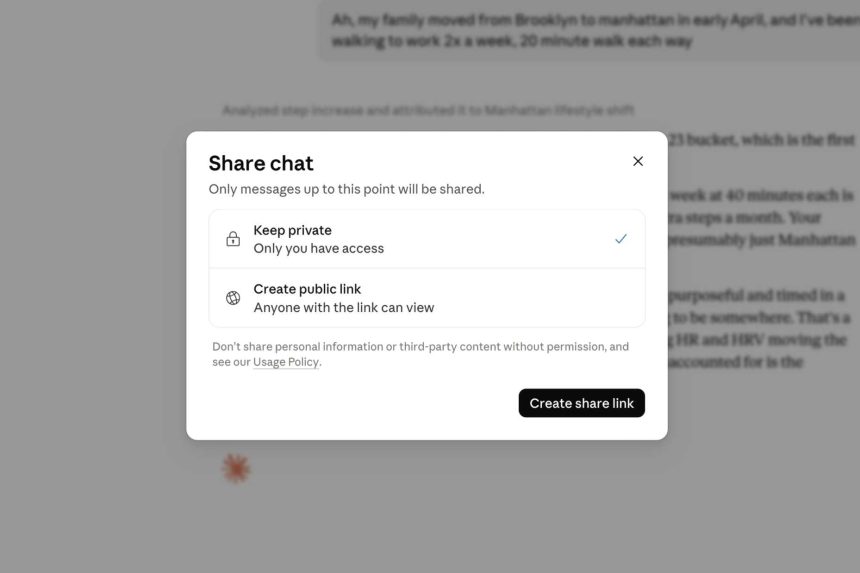
A recent security investigation has exposed a significant privacy vulnerability within Meta AI, revealing that over 6,000 private conversation logs were inadvertently indexed and accessible to the public. The culprit behind this massive data exposure? The seemingly convenient “share” feature that allows users to generate a public URL for their AI interactions.
The Illusion of Private Collaboration
On the surface, the ability to share an AI chat session appears to be a productivity booster. Whether you are collaborating on a complex spreadsheet, brainstorming marketing copy, or reviewing AI-generated visual assets, the “share” button is designed to streamline teamwork. However, this functionality often creates a false sense of security. Users frequently assume that these links are restricted to the intended recipient, failing to realize that these URLs can be crawled by search engines or shared unintentionally across unsecured channels.
This incident is not an isolated anomaly. The tech industry has witnessed similar privacy lapses across the board. Both ChatGPT and Claude users have previously faced scrutiny after their private sessions were exposed due to similar link-sharing mechanisms. As AI integration becomes ubiquitous, the risk of “data leakage by design” is becoming a primary concern for cybersecurity experts.
Why Your AI History is a Liability
The danger lies in the nature of modern AI prompts. Users often treat AI chatbots like digital confidants, inputting sensitive information without a second thought. This includes:
- Financial Details: Sharing bank statements or tax documents for AI-driven analysis.
- Proprietary Data: Uploading internal company memos or unreleased product roadmaps.
- Personal Identifiers: Discussing health records or private contact information that should never leave a secure environment.
Recent industry reports suggest that nearly 20% of enterprise AI users have inadvertently shared sensitive corporate data through public-facing AI tools. When a chat is shared via a link, that data is no longer contained within your private account; it becomes a static, accessible web page that can persist long after you believe you have deleted the conversation.
Best Practices for AI Privacy
To protect your digital footprint, consider these security measures:
- Disable Public Sharing: Avoid using native “share” buttons for any conversation containing proprietary or personal information.
- Manual Redaction: If you must share a result, copy and paste the relevant text into a secure document, ensuring you strip away any identifying metadata or sensitive figures.
- Review Privacy Settings: Regularly audit your AI platform’s settings to ensure that your chat history is not being used for model training or indexed for public viewing.
As we continue to rely on large language models, the responsibility for data hygiene rests heavily on the user. Until platforms implement more robust, permission-based sharing protocols, the safest approach is to treat every AI chat as if it were a public post.