





## The Evolution of Steam Early Access: Why Your Launch Strategy Needs a Reset
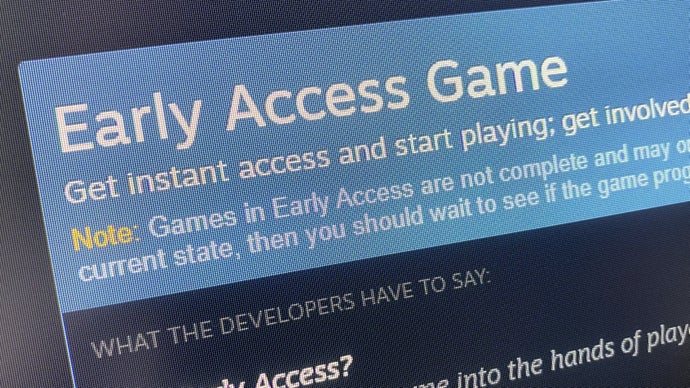
The landscape of game development on Valve’s platform has shifted dramatically, with the Early Access model evolving from a niche funding tool into a dominant market force. Data from SteamDB highlights a staggering upward trajectory: by mid-October 2026, the platform saw 2,924 titles debut via Early Access. This represents a notable 18% jump over 2025 figures and a massive 60% surge compared to 2020.
### A Growing Share of the Steam Ecosystem
Early Access is no longer just an experimental side-path; it is becoming a primary gateway for new releases. The proportion of the total Steam library comprised of Early Access titles has climbed steadily, moving from 10.4% in 2024 to 11.3% in 2025, and reaching 13.7% by 2026. This trend underscores a fundamental change in how developers bring their visions to market.
### From Funding Mechanism to Full-Scale Debut
When Valve first introduced the program in 2013, it was designed as a lifeline for indie creators. It provided a dual-purpose solution: securing essential development capital while fostering a community of early adopters who could provide actionable feedback. Success stories like *Hades*, *Subnautica*, and *Valheim* serve as modern benchmarks, illustrating how a transparent, iterative development cycle can cultivate a dedicated fanbase long before the official 1.0 version hits the store.

### The “1.0” Trap: Why First Impressions Matter More Than Ever
Despite the historical success of the model, the rules of engagement have changed. Developers can no longer afford to treat the Early Access phase as a “sandbox” period where polish is secondary. Modern players are highly discerning, and the market is saturated with high-quality, unfinished titles.
The reality is that for many, the Early Access launch *is* the primary launch. According to insights from GameDiscoverCo, the transition to a full 1.0 release is often less lucrative than developers anticipate; only 21% of titles manage to generate more revenue in their first month post-launch than they did during their initial Early Access debut. This data serves as a stark warning: if you don’t treat your Early Access release with the same marketing rigor and quality control as a full launch, you may find that your “official” release day passes with little fanfare.