


by Alex Billington
October 30, 2026
Source: YouTube

The Decade That Made “Weird” Mainstream: A New Look at New Wave
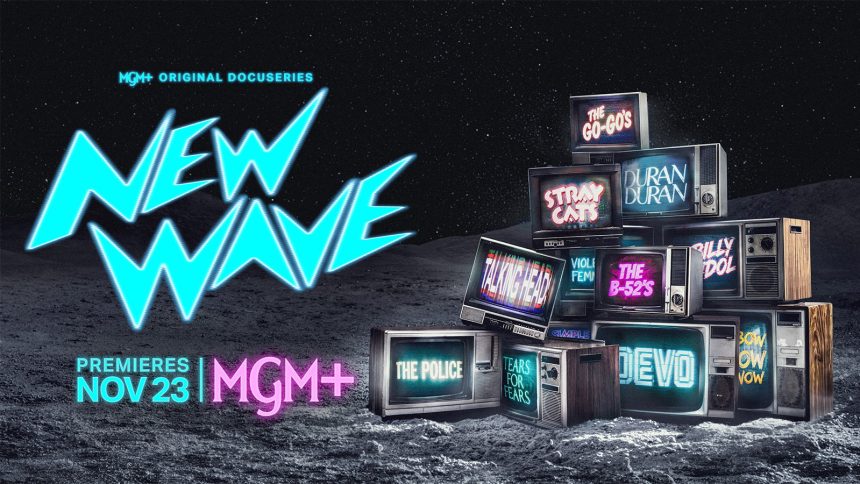
The era between 1977 and 1987 was more than just a collection of catchy synthesizers and neon aesthetics; it was a seismic shift in the cultural bedrock. MGM+ is set to capture this transformative decade in their upcoming four-part docuseries, New Wave. Rather than focusing on the trajectory of a single artist, the series adopts a panoramic view, examining how a collective of outsiders dismantled traditional music industry barriers to redefine what was considered “popular.”
Beyond the Charts: The Cultural Impact of 1977-1987
While many music documentaries tend to zoom in on the rise and fall of individual icons, New Wave opts for a broader historical lens. It explores the period when the underground finally breached the surface, effectively normalizing the unconventional. As the series highlights, this was the moment when “weird” became not just acceptable, but aspirational. By 1985, the influence of these artists had permeated everything from high-fashion runways to the burgeoning world of music television, proving that alternative culture had become the new standard for the mainstream.
An All-Star Retrospective
Produced by the team at This Machine Filmworks, the series gathers an impressive roster of industry titans to recount the evolution of the genre. Viewers can expect deep-dive interviews and archival footage featuring:
- Billy Idol: The bridge between punk grit and pop accessibility.
- The Police: Masters of blending reggae-infused rhythms with rock sensibilities.
- DEVO: The pioneers of de-evolution and visual performance art.
- Duran Duran: The architects of the “Second British Invasion” and MTV stardom.
- Oingo Boingo: The masters of theatrical, high-energy alternative soundscapes.
Why This Era Still Resonates
The significance of this decade cannot be overstated. According to recent industry data, the influence of 80s synth-pop and new wave production techniques has seen a massive resurgence in modern streaming trends, with “retro-wave” playlists garnering billions of streams annually. New Wave serves as a vital chronicle of how these artists moved from dingy clubs to stadium stages, forever altering the DNA of pop culture, fashion, and sound design. By documenting this transition, the series provides a masterclass in how a subculture can successfully pivot to become the dominant cultural force of its time.