





Exploring Georgia’s Little Grand Canyon: A Guide to Providence Canyon State Park
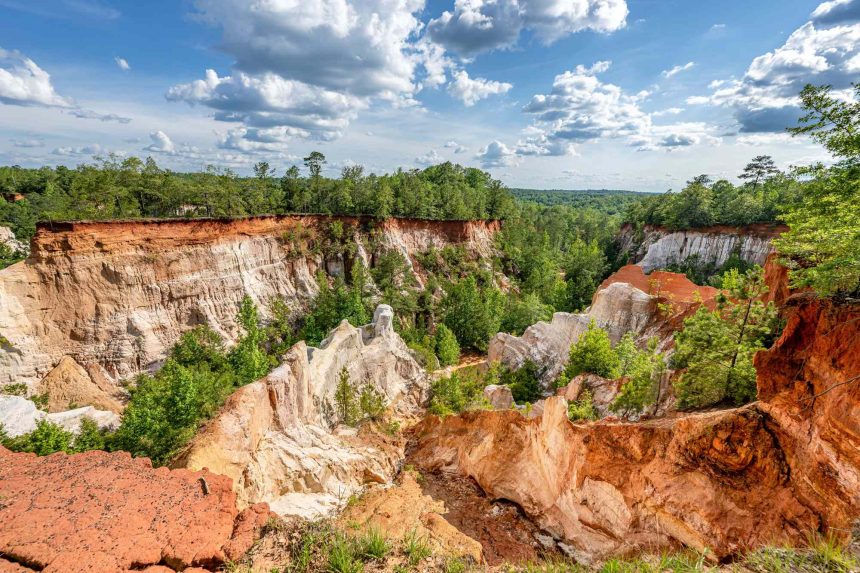
Often referred to as Georgia’s “Little Grand Canyon,” Providence Canyon State Park is a geological marvel that defies the typical landscape of the American South. Located in Lumpkin, this stunning site features massive gullies reaching depths of up to 150 feet, showcasing vibrant layers of pink, orange, and white soil. Whether you are an avid hiker or a photography enthusiast, planning a visit requires a bit of strategy to make the most of the unique terrain.
Understanding the Origins of the Canyon
Unlike the Grand Canyon in Arizona, which was carved over millions of years by the Colorado River, Providence Canyon is a relatively modern phenomenon. It was formed in the 19th century due to poor farming practices. As settlers cleared native vegetation for agriculture, the exposed soil began to erode rapidly, eventually creating the deep, dramatic chasms we see today. It serves as a powerful, living lesson in environmental conservation and the impact of human activity on the land.
Essential Tips for Your Visit
To ensure a smooth experience, consider these logistical recommendations:
* Timing Your Trip: The park is most comfortable during the spring and fall. Summer temperatures in the canyon can soar, as the deep walls trap heat and limit airflow. If you must visit in the summer, aim for early morning hours.
* Footwear Matters: The canyon floor is often sandy and can become muddy after rainfall. Sturdy hiking boots with good traction are essential for navigating the uneven trails.
* Hydration and Supplies: There are no water stations once you descend into the canyon. Always carry more water than you think you’ll need, especially if you plan on tackling the longer loops.
* Photography Strategy: The best lighting occurs during the “golden hour”-shortly after sunrise or before sunset-when the sun hits the canyon walls, making the colors pop against the shadows.
Navigating the Trail System
The park offers a variety of paths, ranging from easy rim walks to challenging canyon floor treks. The White Trail is the most popular, taking hikers through the heart of the canyon where they can witness the sheer scale of the erosion up close. For those seeking a panoramic view, the rim trails provide elevated vantage points that are perfect for capturing the vastness of the landscape.
Why It’s a Must-Visit Destination
Recent data from the Georgia Department of Natural Resources highlights that Providence Canyon remains one of the most visited state parks in the region, drawing thousands of visitors annually who are eager to witness this geological anomaly. It is a rare opportunity to see how nature reclaims the land, as wildflowers and native trees have begun to take root along the canyon floor, creating a lush, prehistoric-looking oasis.
By respecting the marked trails and practicing “Leave No Trace” principles, you help preserve this fragile ecosystem for future generations.
Here’s how to plan a trip to Providence Canyon State Park. » More Info >>>