





Navigating the Long-Term Health Impacts of Atopic Dermatitis
Living with atopic dermatitis (AD) extends far beyond managing daily flare-ups and itchy patches. Because the condition compromises the skin’s natural barrier, it can trigger a cascade of secondary health issues over time. If you are managing AD, it is vital to remain vigilant regarding these potential complications.
The Heightened Risk of Secondary Infections
When the skin barrier is consistently compromised, it loses its ability to act as a robust shield against external pathogens. This vulnerability frequently leads to secondary bacterial or viral infections.
* Bacterial Threats: Patients are at a significantly higher risk for Staphylococcus aureus colonization. This can manifest as impetigo, a highly transmissible condition characterized by painful, pus-filled lesions and crusting.
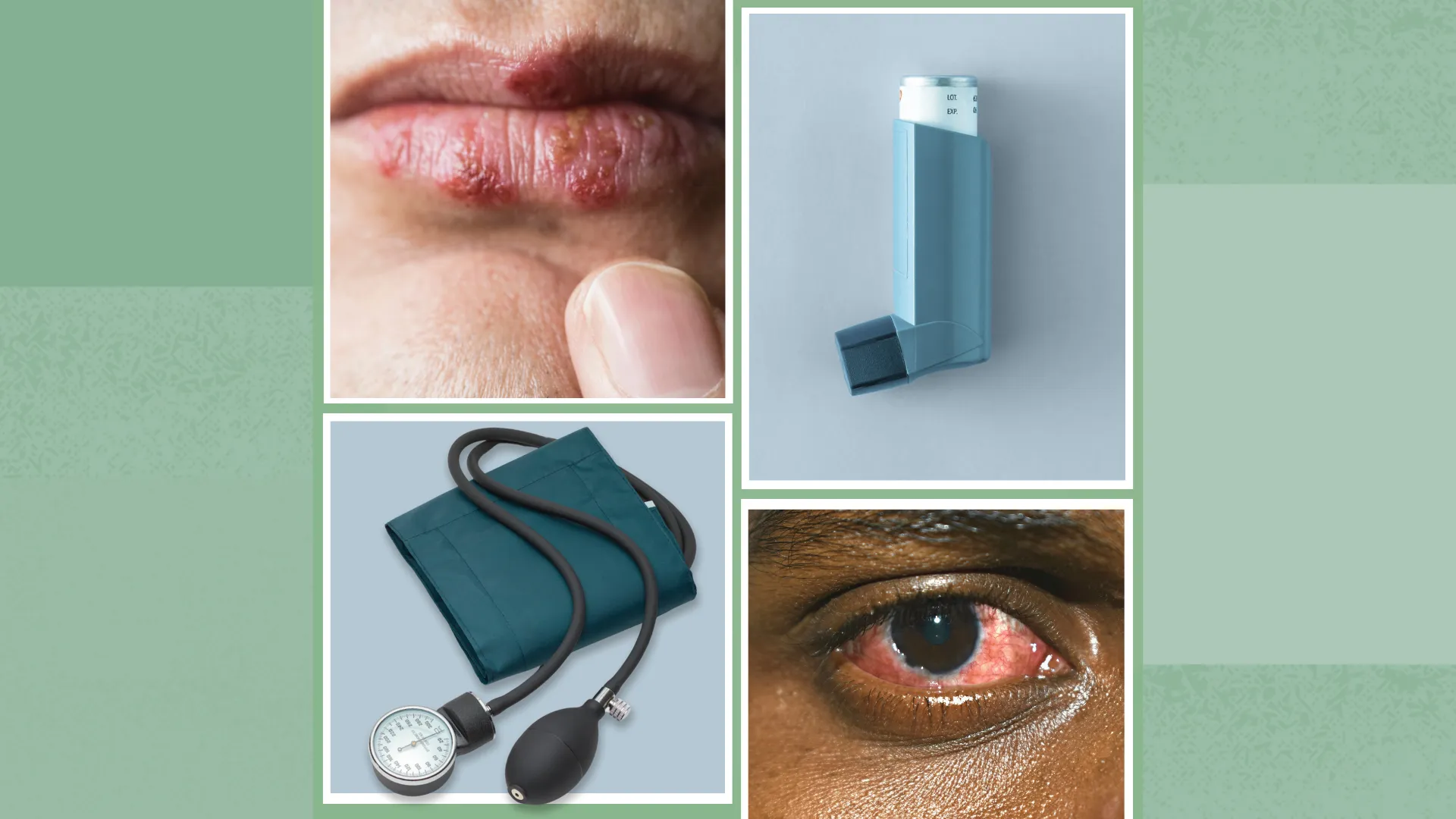
* Viral Complications: Eczema herpeticum is a more serious concern, triggered by the herpes simplex virus. Because the skin is already inflamed, this virus can spread rapidly across large areas of the body.
To mitigate these risks, dermatologists often employ proactive diagnostic measures. By performing regular skin cultures on active lesions, clinicians can pinpoint the exact pathogen involved. This allows for the precise application of targeted antimicrobials or antiseptics, preventing minor flare-ups from escalating into systemic issues.
The Atopic March: Asthma and Respiratory Sensitivities
Atopic dermatitis is rarely an isolated condition; it is often the first stage of what medical professionals call the “atopic march.” This progression suggests that the immune system’s overactive response in the skin may eventually manifest in other organ systems.
Current clinical data highlights a strong correlation between skin health and respiratory function. Approximately 25 percent of individuals diagnosed with AD will eventually develop asthma. This condition causes the airways to narrow and swell, leading to chronic breathing difficulties. Beyond asthma, many patients also report a higher incidence of seasonal allergies and food sensitivities, underscoring the importance of a holistic approach to managing your immune health.