




CBS
We may receive a commission on purchases made from links.
A Surprising Intersection of Hollywood Icons
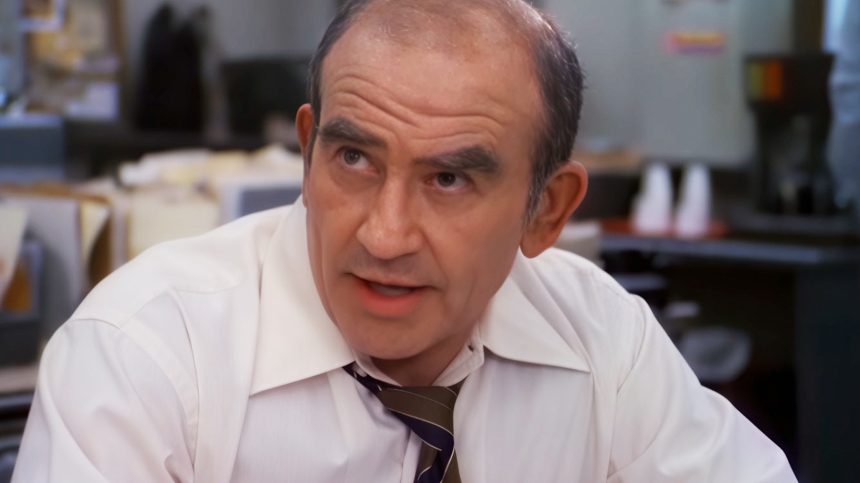
Long before he became the quintessential grumpy-but-lovable newsroom editor Lou Grant, Ed Asner was a working actor navigating the landscape of 1960s cinema. While his career eventually reached legendary status on the small screen, one of his most intriguing early credits is a brief but notable appearance in the 1967 Western El Dorado. This film serves as a fascinating time capsule, marking the only time Asner shared the screen with the undisputed titan of the genre, John Wayne.
The Duke at a Cinematic Crossroads
The mid-1960s represented a turbulent period for John Wayne. As the cultural tide began to turn, the traditional Western was losing its grip on audiences, slowly giving way to the grittier, more cynical “revisionist” style of filmmaking. During this transitional era, Wayne was deeply preoccupied with his controversial passion project, The Green Berets. Following a 1966 tour of Vietnam that fueled his desire to create a pro-military epic, Wayne faced significant backlash; in fact, critics like Roger Ebert famously labeled the film “cruel and dishonest.”
However, before diving into that polarizing production, Wayne teamed up with his longtime creative partner, director Howard Hawks, for El Dorado. Released in June 1967, the film defied the era’s shifting trends. Despite the growing sentiment that Wayne’s brand of heroism was becoming a relic of the past, the movie was a commercial triumph, proving that the chemistry between Wayne and Hawks still held significant sway over theater-goers.
From Character Actor to Television Royalty
For Ed Asner, El Dorado was a stepping stone in a career that had been steadily building since his start in the mid-1950s. At the time of the film’s release, Asner was still three years away from his breakout performance on The Mary Tyler Moore Show, which would eventually cement his legacy in television history. His presence in a John Wayne Western highlights the diverse path many character actors took during the studio system’s twilight years, moving between gritty Westerns and the burgeoning world of sitcoms.
Today, El Dorado is remembered not just for its classic gunplay and star power, but as a rare intersection where a future TV icon crossed paths with the fading sun of the Golden Age of Westerns.