





The Irresistible Appeal: Why We’re Hardwired to Love Cute Things
There is an undeniable, magnetic pull when we encounter something undeniably adorable. Whether it’s a clumsy puppy tripping over its own paws or a kitten batting at a stray piece of yarn, these moments trigger an immediate, warm response in our brains. But have you ever wondered why “cute” has such a profound impact on our psychology?
The Science of the “Aww” Factor
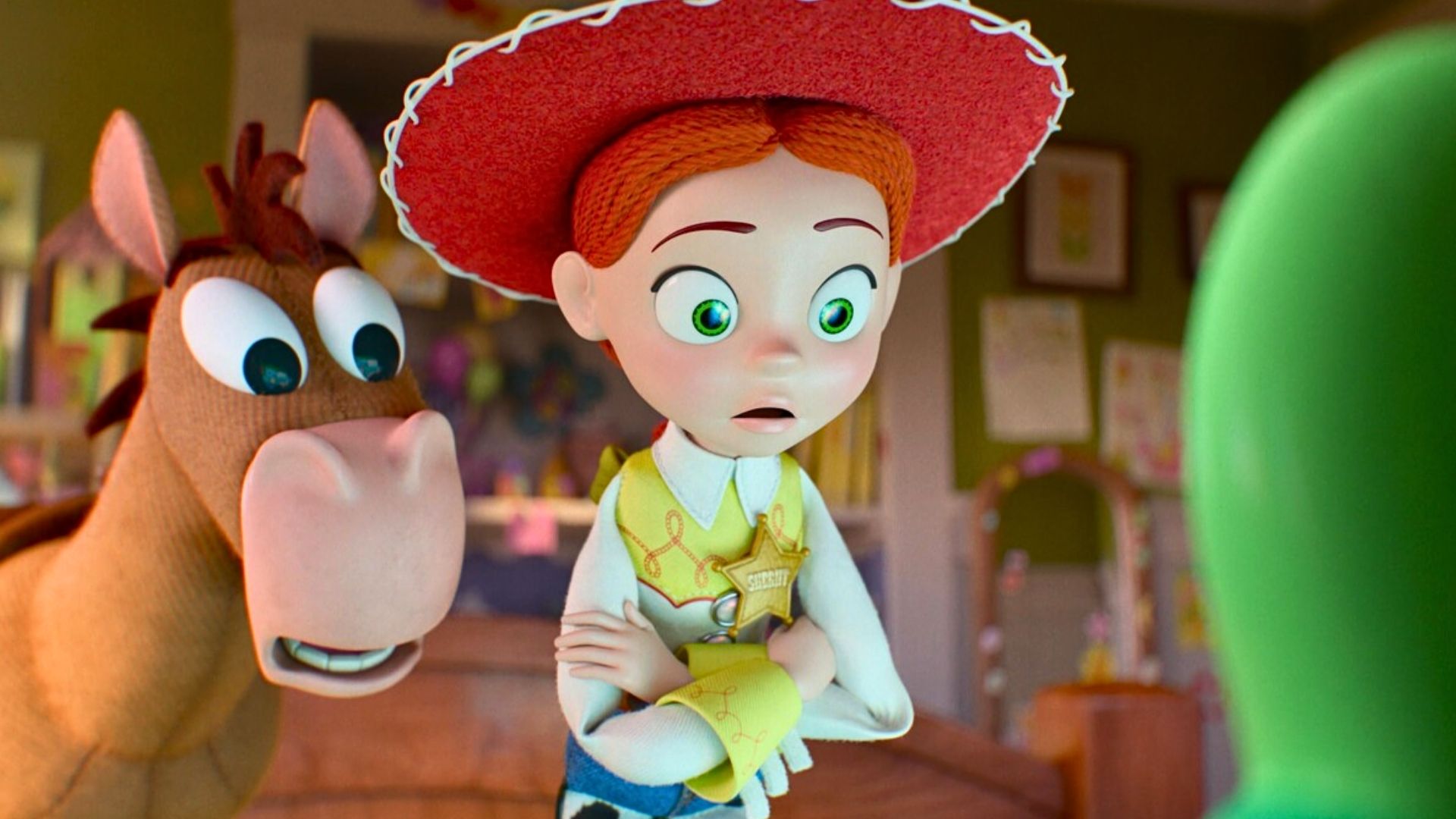
The phenomenon of cuteness isn’t just a subjective preference; it is a biological imperative. Ethologist Konrad Lorenz first identified the “kindchenschema” (baby schema) in the 1940s. This concept suggests that physical traits-such as large eyes, rounded features, and soft textures-act as a biological trigger.
When we see these characteristics, our brains release dopamine, the neurotransmitter associated with pleasure and reward. This evolutionary mechanism ensures that we feel a protective urge toward infants, which is essential for the survival of our species. Today, this response has expanded beyond human babies to include pets and even inanimate objects that mimic these proportions.
Beyond Biology: The Psychological Comfort of Cuteness
In an increasingly fast-paced and often stressful world, engaging with “cute” content serves as a form of emotional regulation. Recent studies from the University of Hiroshima have shown that viewing images of baby animals can actually improve focus and task performance.
Think of it as a “micro-break” for the brain. Just as a runner might take a moment to catch their breath, our minds use these brief, delightful encounters to reset. It’s not merely a distraction; it’s a way to lower cortisol levels and inject a sense of playfulness into a rigid schedule.
Why We Can’t Look Away: The Digital Impact
The internet has turned our natural affinity for the adorable into a global cultural phenomenon. From viral TikTok trends featuring golden retrievers to the enduring popularity of “kawaii” aesthetics in design, the digital landscape is saturated with cuteness.
Consider the rise of “cozy gaming”-titles like Animal Crossing or Stardew Valley have seen massive success precisely because they offer a low-stakes, aesthetically pleasing environment. These platforms provide a digital sanctuary where the primary objective is nurturing and aesthetic appreciation rather than high-pressure competition.
The Protective Instinct in Action
This isn’t just about feeling good; it’s about connection. When we share a video of a baby animal, we are participating in a form of social bonding. It is a universal language that transcends cultural and linguistic barriers.
By prioritizing these moments of levity, we aren’t being frivolous. We are acknowledging a fundamental human need for softness and empathy. In a world that often demands toughness, embracing the “cute” is a radical act of kindness toward ourselves and others.
Next time you find yourself scrolling through a feed of fluffy creatures, don’t feel guilty. You’re simply giving your brain the gentle, evolutionary boost it needs to keep going.