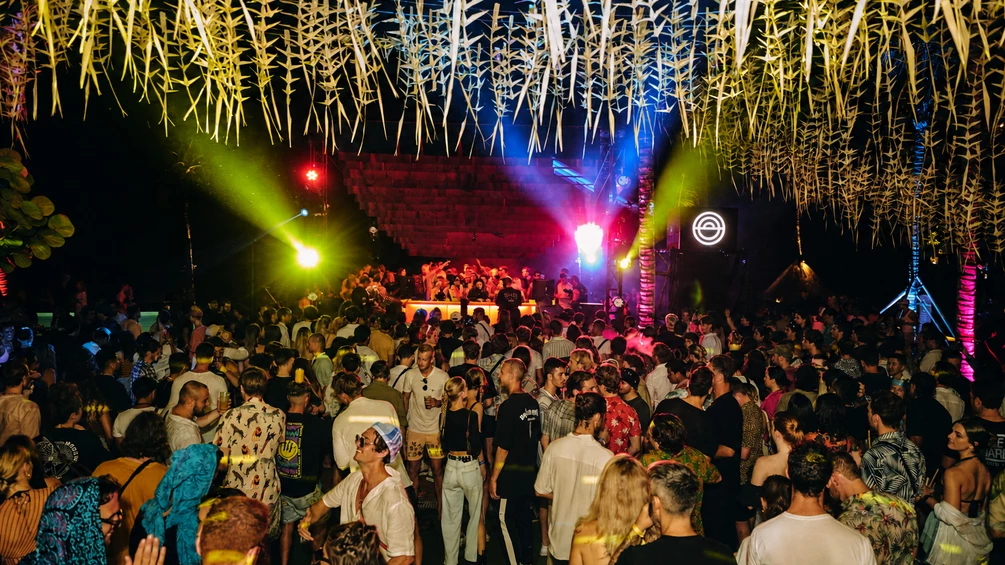



![[EVENT REVIEW] RÜFÜS DU SOL’s Spectacle at San Diego’s Petco Park](https://www.mixtv1.com/wp-content/uploads/2026/08/24644-attachment.jpg)

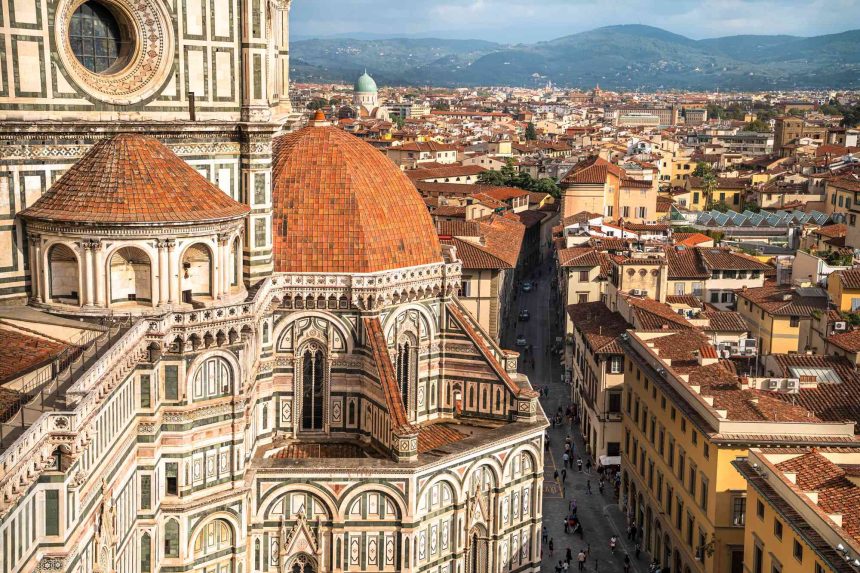
Insider’s Guide: Experiencing Florence Like a True Florentine
Florence has officially claimed the top spot in the 2026 World’s Best Awards, solidifying its status as Europe’s premier destination. While the Renaissance architecture and world-class galleries draw millions, the true magic of the Tuscan capital lies beyond the crowded queues of the Uffizi. To experience Florence as the locals do, you must step away from the well-trodden tourist path and embrace the rhythm of la dolce vita.
Beyond the Duomo: Navigating the City’s Authentic Pulse
Most visitors spend their entire trip tethered to the Piazza del Duomo. While the cathedral is an architectural marvel, the local experience begins in the quieter corners of the Oltrarno district. This area, located on the “other side” of the Arno River, remains the heartbeat of traditional craftsmanship. Here, you will find artisan workshops-botteghe-where leather workers, bookbinders, and goldsmiths have practiced their trades for generations.
Pro Tip: Instead of rushing through the city, dedicate an entire afternoon to wandering the narrow, winding streets of Santo Spirito. It is here that you’ll find the authentic Florence, far removed from the souvenir stalls of the city center.
Culinary Traditions: Eating Like a Resident
Dining in Florence is an art form, but it requires knowing where to look. Avoid any restaurant with a menu featuring photos of the food or a “tourist menu” sign. Instead, seek out the trattorias tucked away in residential neighborhoods.
* The Bistecca alla Fiorentina Ritual: This iconic T-bone steak is a staple, but it is meant to be shared. Order it rare, as is tradition, and pair it with a robust Chianti Classico.
* The Panino Culture: For a quick lunch, skip the sit-down cafes. Join the queue at a local vinaino (wine shop) for a fresh schiacciata sandwich. It’s a fast, affordable, and quintessentially Florentine way to refuel.
* Aperitivo Hour: As the sun sets, follow the locals to a neighborhood bar for an aperitivo. It’s not just about the drink; it’s a social ritual that bridges the gap between the workday and dinner.
Strategic Sightseeing: Timing is Everything
With Florence’s popularity surging, managing your time is essential to maintaining your sanity. Recent data suggests that visiting during the “shoulder seasons”-late April to early June or September through October-offers the best balance of pleasant weather and manageable crowds.
If you must visit during peak months, adopt the “early bird” strategy. The city takes on a completely different character at 7:00 AM. Before the tour buses arrive, the piazzas are quiet, the morning light hits the marble facades perfectly, and you can enjoy a cappuccino at a bar counter alongside locals heading to work.
Embracing the “Slow Travel” Philosophy
To truly live like a Florentine, you must abandon the checklist mentality. Florence is a city meant to be felt, not just seen.
- Find Your Piazza: Pick a local square, such as Piazza della Passera, and make it your “home base.” Return there daily to read, people-watch, or simply enjoy a gelato.
- Explore the Hills: Take a short bus ride or a brisk walk up to San Miniato al Monte. While Piazzale Michelangelo is famous for its sunset views, San Miniato offers a more serene atmosphere and the hauntingly beautiful sound of Gregorian chants performed by the resident monks.
- Support Local Markets: Visit the Sant’Ambrogio Market. Unlike the more commercial Mercato Centrale, Sant’Ambrogio is where residents shop for seasonal produce, local cheeses, and fresh pasta. It provides a raw, unfiltered look at the city’s culinary supply chain.
Final Thoughts on Your Florentine Journey
Visiting Florence as a local isn’t about avoiding the major landmarks; it’s about balancing them with the quiet, everyday moments that define the city. By prioritizing artisan districts, timing your visits to avoid the midday crush, and engaging with the local food culture, you transform your trip from a standard vacation into an immersive cultural experience. Florence is a city that rewards curiosity-take the time to look deeper, and you will find a version of the city that stays with you long after you’ve returned home.