


Beyond the Page: Why Villeneuve’s Chani Redefines the Dune Trilogy
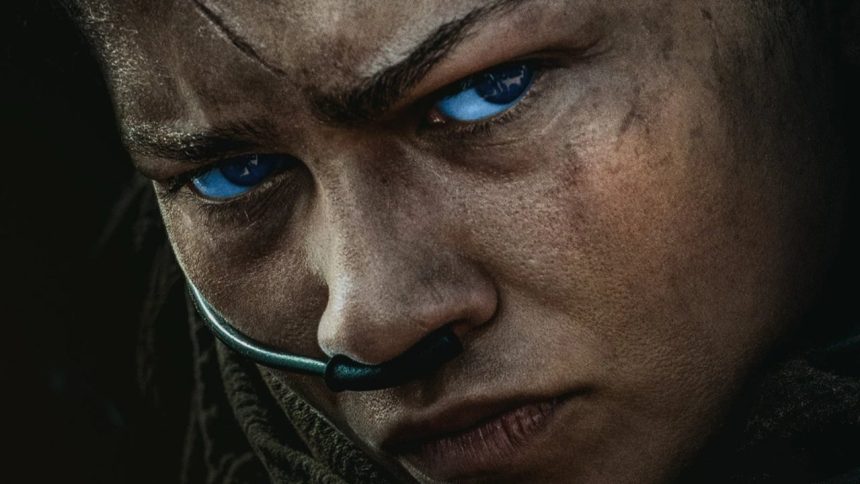
The latest promotional footage for Dune: Part Three has officially dropped, and it confirms what many fans suspected: Denis Villeneuve is not interested in a beat-for-beat recreation of Frank Herbert’s 1969 novel, Dune Messiah. Instead, the final chapter of this cinematic trilogy is charting a bold, original course. At the heart of this narrative shift is Zendaya’s Chani, a character who has evolved from a literary archetype into the primary catalyst for the franchise’s thematic evolution.
Warning: This article contains significant spoilers for the Dune novels.
A Departure from Literary Tradition
In Frank Herbert’s original text, Chani is defined by her unwavering, almost passive devotion to Paul Atreides. While she is a skilled warrior trained in the “Weirding Way,” her narrative arc is largely tethered to her role as Paul’s concubine. She remains a silent observer as Paul ascends to the Imperial throne, ultimately triggering a galactic jihad that claims billions of lives.
The novel Dune Messiah paints a tragic, claustrophobic picture of her fate. Chani spends much of the story desperate to conceive, unaware that Princess Irulan is systematically poisoning her with contraceptives to protect the Bene Gesserit’s long-term genetic agenda. Even when Chani eventually conceives, the damage to her body is irreversible, leading to her death during the birth of her twins. It is a passive, victim-centric end that serves primarily to fuel Paul’s own existential crisis.
The Cinematic Rebellion: Chani as the Moral Compass
Villeneuve’s adaptation has systematically dismantled this version of the character. In Dune: Part Two, Chani is not a blind follower; she is a skeptic. While characters like Stilgar succumb to the religious fervor surrounding the “Lisan al-Gaib,” Chani remains the audience’s grounded perspective, recognizing the Bene Gesserit’s prophecies as nothing more than calculated political manipulation.
Her loyalty to Paul was never about divinity-it was about liberation. When Paul chooses to marry Irulan and claim the throne, he isn’t just making a political maneuver; he is shattering the trust of the only person who saw him for who he truly was. By the end of the second film, Chani’s departure into the desert signifies a total break from the “Messiah” narrative. She refuses to be a pawn in a holy war, effectively stripping Paul of his moral anchor.
The X-Factor of Part Three
As we look toward the conclusion of the trilogy, Chani’s role is no longer defined by her proximity to Paul, but by her opposition to him. Recent marketing materials suggest a high-stakes confrontation between the two, moving far beyond the domestic tragedy of the books.
Consider the current cultural landscape of sci-fi adaptations: audiences are increasingly weary of “damsel” tropes. By elevating Chani to a political and ideological rival, Villeneuve is tapping into a more modern, complex dynamic. She is no longer waiting for a child or a husband; she is fighting for the soul of the Fremen culture.
While the books
The Fractured Legacy: Paul, Chani, and the Future of Arrakis
The cinematic landscape of Arrakis is shifting once more. As anticipation builds for the third installment of Denis Villeneuve’s Dune saga, recent footage has sparked intense debate regarding the evolving dynamic between Paul Atreides and Chani. While early teasers hinted at a potential confrontation in the deep desert, the latest trailer offers a more complex look at their fractured bond, suggesting a narrative that leans heavily into the emotional fallout of Part Two.
A Departure from Herbert’s Blueprint
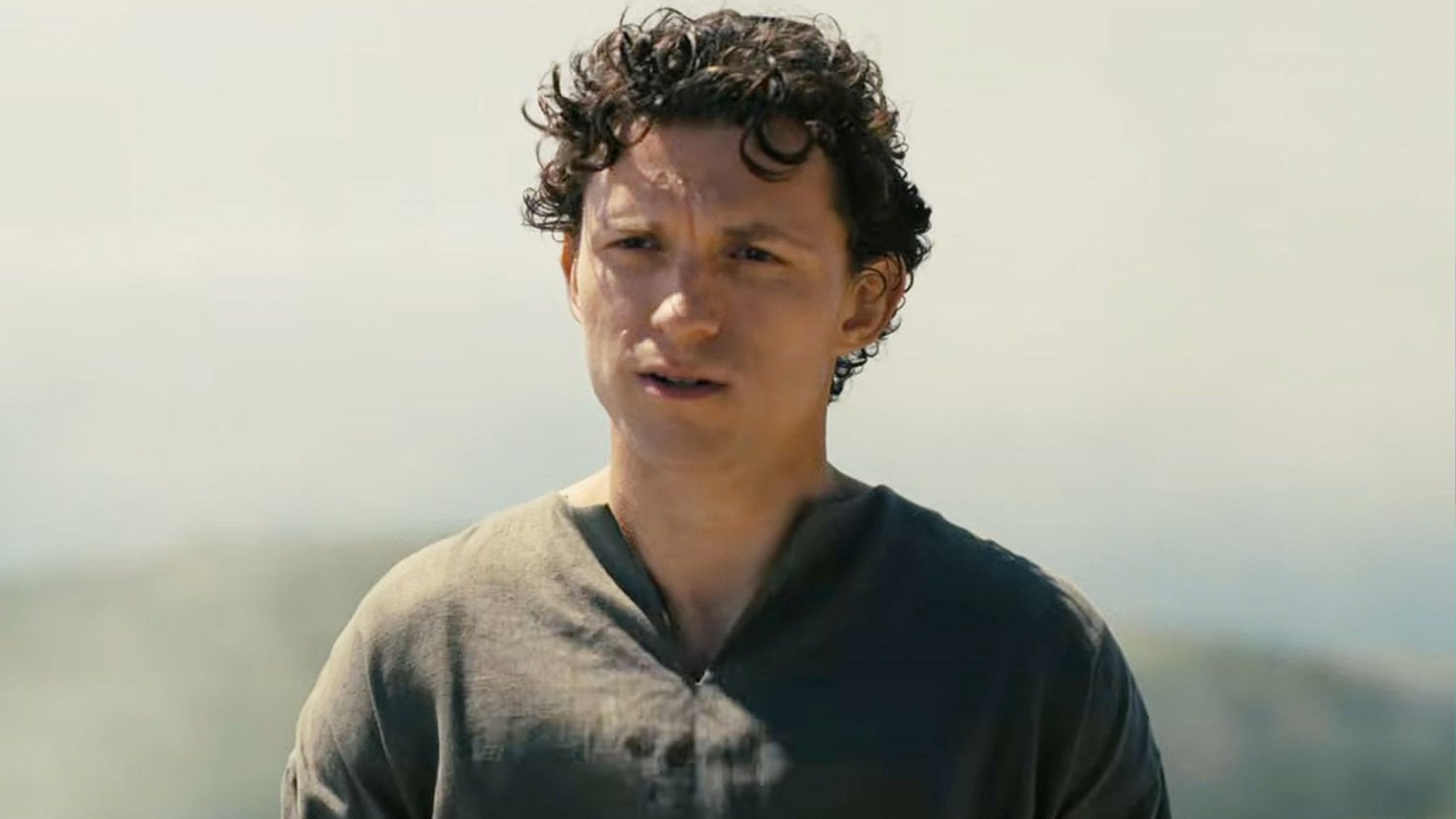
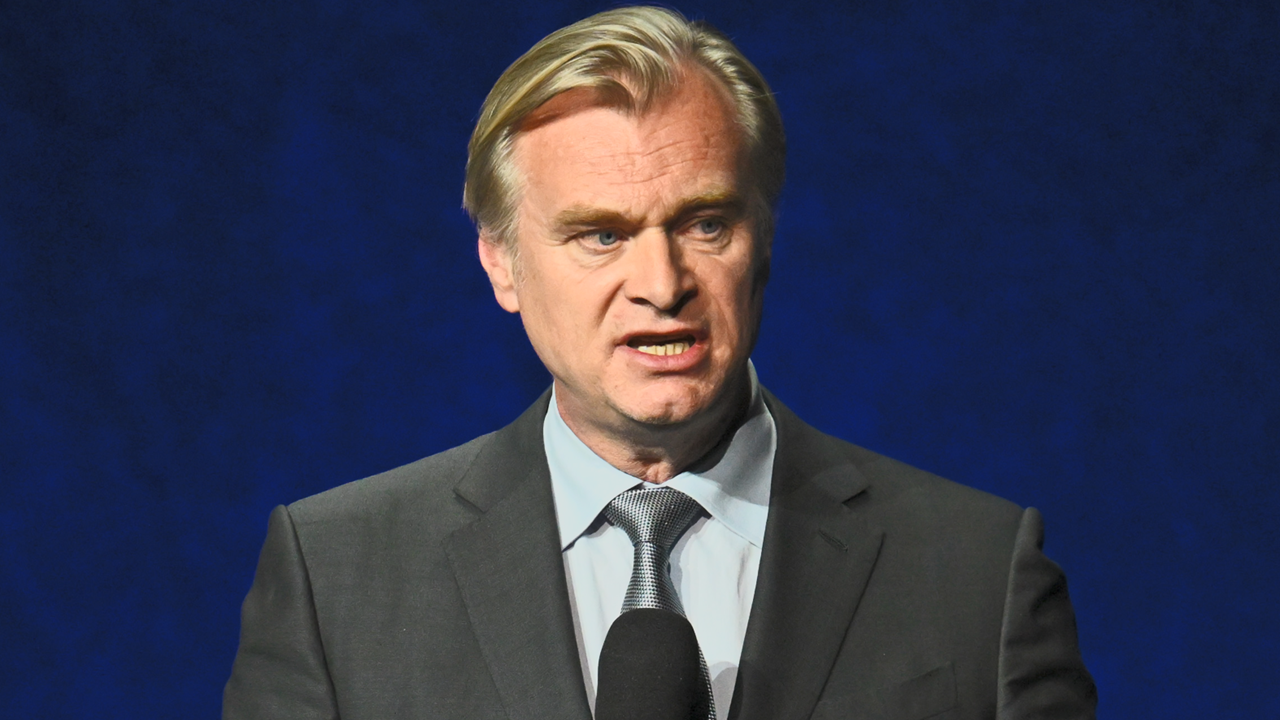
Timothée Chalamet, who portrays the complex messiah figure, recently addressed the creative liberties taken by Villeneuve. During a fan event, Chalamet noted that the upcoming film weaves in narrative threads not explicitly detailed in Frank Herbert’s original text.
“Denis is masterfully connecting the dots in ways that weren’t fully realized in the books,” Chalamet explained. “It’s a bold creative choice, but it provides a necessary cohesion to the story.” This approach highlights the tragic arc of Paul Atreides-a man not necessarily born a villain, but one ensnared by the crushing weight of prescient visions and the burden of leadership.
The Deconstruction of the Hero Myth
The core of Dune: Part Three remains rooted in Herbert’s original intent for Dune Messiah. The author famously wrote the sequel to correct the public’s perception of Paul as a traditional hero. By showcasing the corruption that follows blind devotion to charismatic leaders, the narrative serves as a cautionary tale.
Chalamet emphasizes this nuance: “Paul isn’t just a hero or a villain; he’s a human being trapped by his own path. It’s a warning about the dangers of hero worship, and that is exactly what we are exploring.”
Resistance and the Face Dancer Threat
The political landscape of the third film is increasingly hostile. Chani’s role in this resistance remains the biggest question mark. Is she merely a nomad in exile, or is she the architect of a burgeoning rebellion? She is joined in her disillusionment by figures like Farok, a Fedaykin commando who begins to question the divinity of the Lisan al-Gaib after witnessing the alien wonders of an ocean.
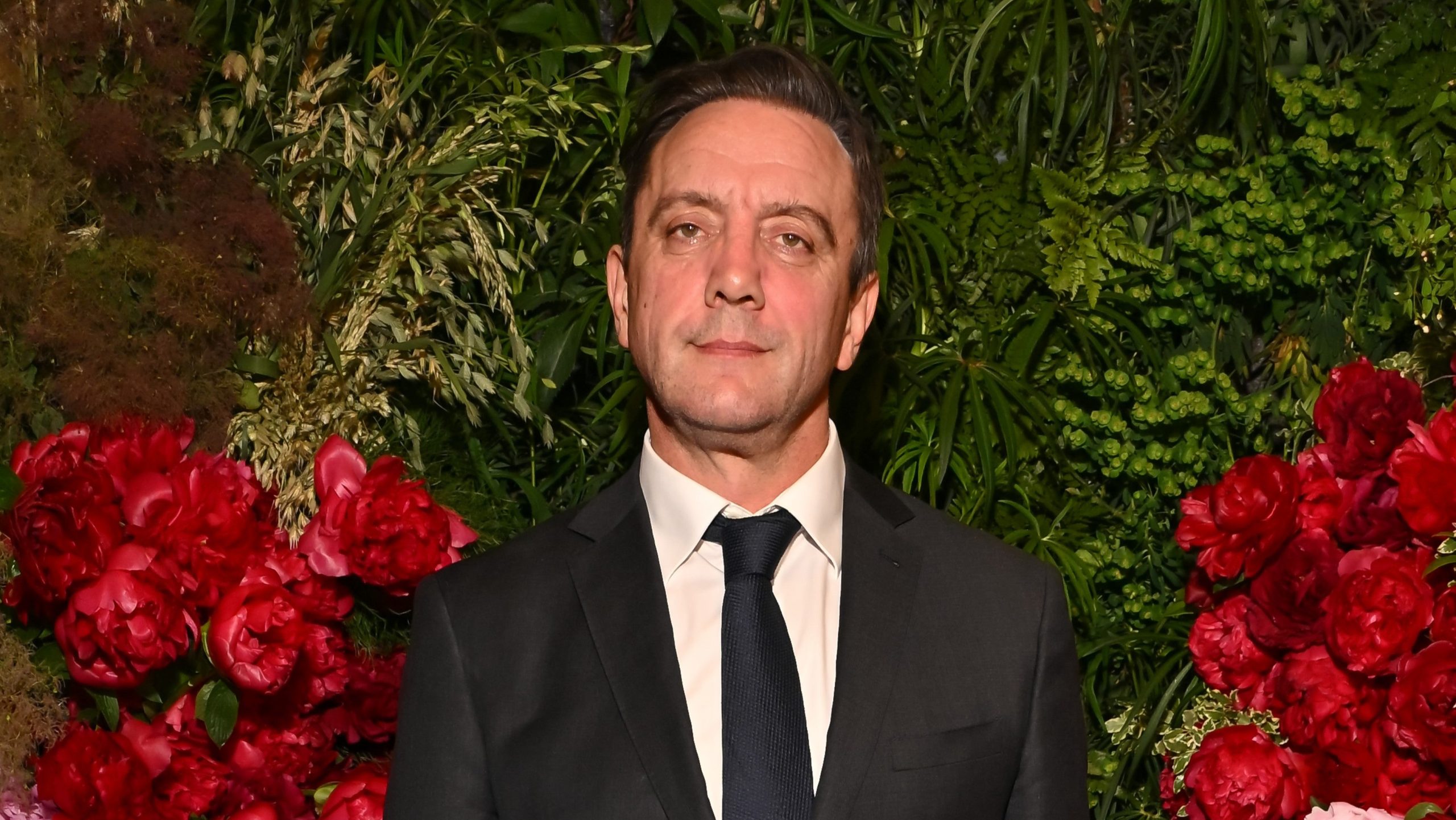
Furthermore, the introduction of the Tleilaxu shape-shifter Scytale, played by Robert Pattinson, adds a layer of psychological warfare. Fans have already begun dissecting the trailer, questioning whether the Chani who taunts Paul is the genuine article or a manifestation of Scytale’s mimicry. If the Face Dancer is using Chani’s likeness to manipulate Paul, the emotional stakes for the Atreides heir reach a breaking point.
The Next Generation: Leto II and Ghanima
Perhaps the most significant deviation from the source material involves the Atreides heirs, Leto II and Ghanima. In the literary timeline, these children are infants during the events of Dune Messiah. However, Villeneuve has opted to cast teenage actors-Nakoa-Wolf Momoa and Ida Brooke-for these roles.
This casting choice suggests that the twins will have a more active, perhaps even physical, presence in the film rather than existing solely as background elements or spice-induced visions. With Paul and Chani’s relationship in ruins, the upbringing and allegiances of these children will
The Atreides Legacy: How Dune: Part Three Rewrites the Prophecy
The narrative trajectory of the Dune film franchise is shifting in a bold, unexpected direction. By the time the third installment begins, the timeline suggests that Paul Atreides is already a father to teenage twins. This creative choice signals that the upcoming film is not merely a direct adaptation of Frank Herbert’s Dune Messiah, but is instead weaving in significant elements from the sequel, Children of Dune.
A New Dynamic: Chani and the Atreides Heirs
The introduction of Paul’s children-and Chani’s pointed departure from his inner circle-fundamentally alters the stakes of the story. This shift invites a host of compelling narrative possibilities. Is Chani acting as a lone guardian, raising the twins in secret? Is she actively training them to dismantle the religious fervor of Paul’s jihad? Furthermore, the Fremen’s reaction to the existence of Muad’Dib’s biological successors remains a volatile variable.
While Paul’s prescient abilities suggest he should be aware of his offspring, the film may portray him as intentionally shielding this knowledge. Much like a modern intelligence operative compartmentalizing sensitive data to ensure survival, Paul may be keeping his family hidden to protect them from the encroaching threats of the Imperium.
The Blind Spot of Prescience
In the original literary source material, Paul is caught off guard by the birth of twins, specifically because Leto II possesses a unique form of prescience that renders him invisible to his father’s visions. If the film maintains this lore, Leto II’s existence could serve as a “blind spot” in Paul’s otherwise all-seeing gaze. This creates a fascinating power dynamic: the father who sees all is effectively neutralized by the very children he seeks to control.
Recent industry analysis suggests that franchise sequels often struggle to maintain tension once a protagonist reaches god-like status; by introducing characters who can bypass that power, the filmmakers are effectively resetting the stakes for the audience.
Signs of Power: Ghanima’s Emergence
While Leto II remains shrouded in mystery, the latest promotional footage offers a glimpse of his sister, Ghanima. The visual similarities between the actress and Zendaya have sparked intense fan debate, but the evidence points toward her presence in key scenes. Notably, the moment in the trailer where a character halts a charging Sandworm suggests that Ghanima possesses formidable, perhaps even supernatural, control over the desert’s apex predators. This display of power indicates that the twins will be far more than passive observers; they are poised to be the primary disruptors in Dune: Part Three.
Why This Departure Matters
The first two chapters of Denis Villeneuve’s saga were masterclasses in visual storytelling, yet they largely adhered to the established beats of the novels. Dune: Part Three represents a departure from this predictability. By centering the narrative on the evolving relationship between Chani and her children, the film promises to challenge even the most dedicated fans of the source material.
This deviation is exactly what the franchise needs to remain relevant. By subverting the “chosen one” trope and introducing a new generation with their own agendas, the sequel ensures that the Dune universe remains as unpredictable as the shifting sands of Arrakis itself.
For a deeper dive into the cast and character dynamics, check out our comprehensive breakdown of the Dune: Part Three teaser trailer.