





## Legal Consequences for Disrespecting Bali’s Sacred Day of Silence
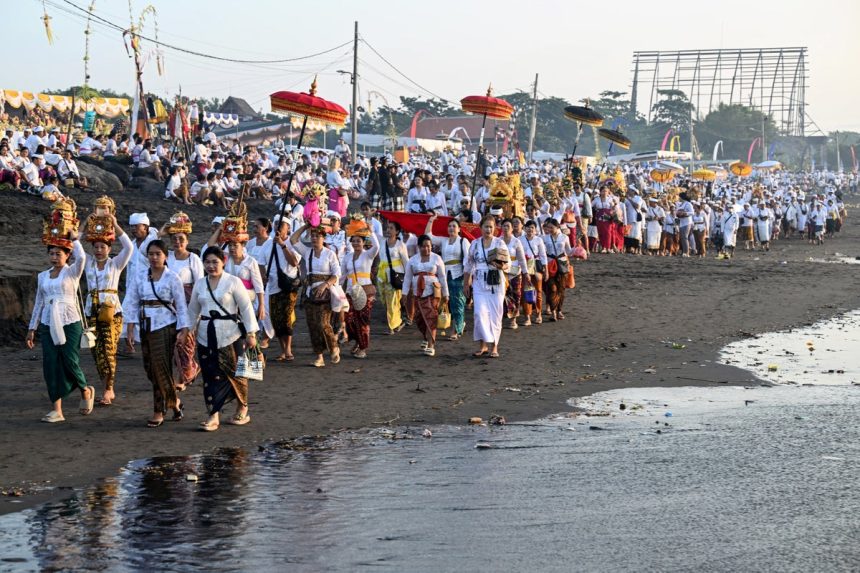
Every year, the Indonesian island of Bali undergoes a profound transformation during Nyepi. This Hindu tradition, known as the Day of Silence, mandates a complete cessation of daily activities. For 24 hours, the island enters a state of total stillness: no travel, no work, no entertainment, and no light, as the community focuses on introspection and spiritual cleansing.
### The Mandatory Nature of Nyepi
While Nyepi is a deeply spiritual event for the local population, it is not merely a suggestion; it is a strictly enforced cultural mandate that applies to everyone on the island, including international travelers. Visitors are expected to remain within their accommodation premises for the duration of the day. To put the scale of this observance into perspective, even Bali’s international airport, Ngurah Rai, completely halts all flight operations for the day-a rare occurrence globally that underscores the island’s commitment to this tradition.
### A Costly Act of Defiance
Despite clear guidelines provided to tourists, a 26-year-old Swiss national, Luzian Andrin Zgraggen, recently faced severe legal repercussions for failing to respect these boundaries. While staying in the Legian resort area, Zgraggen ignored the restrictions explained to him by his villa staff. He ventured out to a deserted beach during the prohibited period, recording a video of himself mocking the silence and using derogatory language in his social media captions.
### Judicial Ruling Under Indonesia’s Criminal Code
The digital footprint left by the tourist led to his swift arrest. On August 21, the Denpasar district court delivered a landmark verdict. Zgraggen was found guilty of violating Indonesia’s updated criminal code regarding the defamation of religious observances.
The court’s decision to sentence him to one year in prison serves as a stark reminder of the legal weight behind local customs. This case highlights a growing trend where authorities in Southeast Asia are increasingly utilizing updated legal frameworks to protect cultural and religious integrity from social media-driven disrespect.
For travelers, this incident serves as a critical lesson: cultural immersion requires more than just visiting a destination; it demands an active, respectful adherence to the local laws and traditions that define the community.