



## Volkswagen’s Strategic Pivot: A Massive Overhaul to Combat Global Competition
In a decisive move to fortify its market position against the surging influence of Chinese automotive manufacturers, the Volkswagen Group has officially greenlit its “Future Plan 2030.” This comprehensive restructuring strategy marks a radical departure from the company’s traditional operational model, prioritizing lean efficiency and a streamlined product portfolio to navigate an increasingly volatile global landscape.
### Streamlining the Showroom: A 50% Reduction in Models
To combat rising overheads and simplify manufacturing processes, Volkswagen is set to slash its vehicle lineup by approximately 50%. The strategy goes beyond just cutting models; the company aims to reduce “offering complexity” by a staggering 75%. By significantly limiting the number of trim levels, engine configurations, and optional packages, VW hopes to mirror the streamlined production efficiencies often seen in tech-forward EV startups.
This shift is a direct response to the competitive pressure from brands like BYD and NIO, which have successfully utilized simplified, software-centric manufacturing to capture market share. Industry analysts note that by reducing the sheer variety of parts required for assembly, Volkswagen can significantly lower its logistics costs and improve production throughput.
### Workforce Realignment and Operational Shifts
The “Future Plan 2030” includes a significant reduction in human capital, with the company confirming plans to eliminate 50,000 roles. This reduction is distinct from, and in addition to, previously announced downsizing initiatives. The cuts are expected to span across all levels of the organization, including a notable reduction in management positions, as the company seeks to flatten its corporate hierarchy.
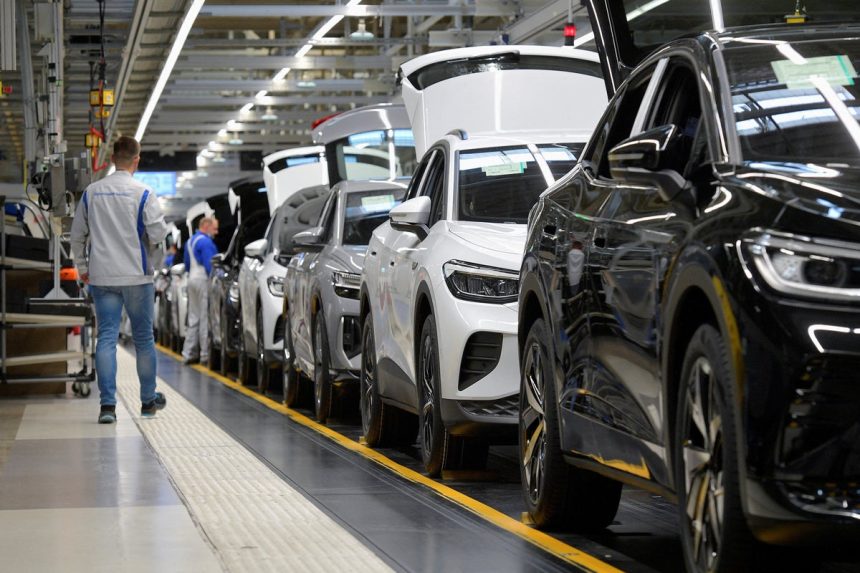
Furthermore, the company is re-evaluating its manufacturing footprint. Production facilities in Emden, Zwickau, Hannover, and Neckarsulm are slated to cease traditional vehicle assembly between 2031 and 2034. While these plants will no longer produce cars, the board is currently exploring alternative industrial uses for these sites to mitigate the economic impact on local communities.
### Leadership’s Vision for a Leaner Future
Volkswagen Group CEO Oliver Blume has framed this transition as a vital step toward long-term viability. “The Supervisory Board has unanimously approved the Executive Board’s Future Plan presented today. This is a strong sign for the future of the Volkswagen Group,” Blume stated.
The urgency behind these job cuts and structural changes reflects a broader trend in the European automotive sector, where legacy manufacturers are struggling to balance the high costs of transitioning to electric vehicles with the need to remain price-competitive. With global EV sales growth showing signs of cooling-rising by roughly 35% in 2023 compared to higher growth rates in previous years-Volkswagen is betting that a leaner, more focused operation will provide the agility needed to survive the decade.