





### The Rise of Illicit Crypto Hubs: U.S. Treasury Targets Xinbi
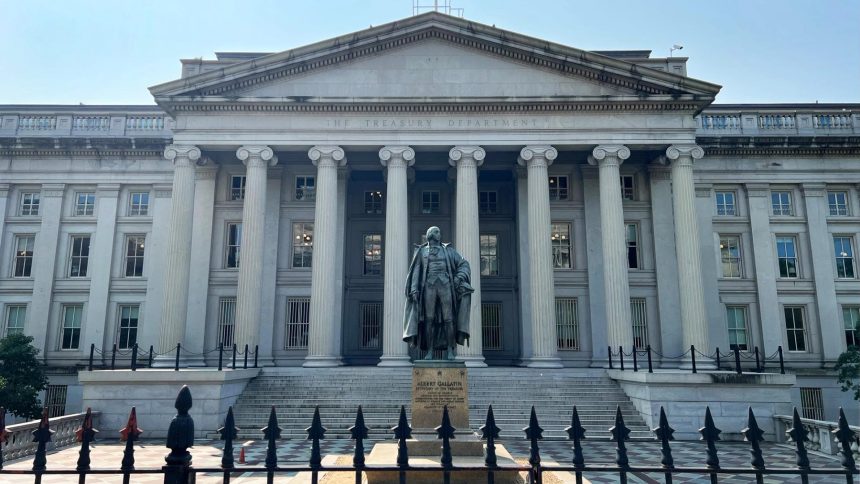
The digital asset landscape is currently grappling with the emergence of sophisticated underground financial networks. Recently, the U.S. Treasury Department took decisive action against Xinbi, a Chinese-language platform identified as a critical node for money laundering and illicit digital currency transactions.
#### Dismantling the Infrastructure of Cybercrime
Investigations reveal that Xinbi functioned as a specialized service provider for various global criminal syndicates. Rather than operating as a standard exchange, the platform acted as a “guarantee” service, facilitating the movement of funds derived from cyber-scams, ransomware attacks, and human trafficking operations. By providing a layer of obfuscation, Xinbi allowed bad actors to convert stolen assets into usable currency while evading traditional financial oversight.
#### The Mechanics of Modern Money Laundering
The strategy employed by Xinbi mirrors the evolution of “shadow banking” in the crypto era. Much like a traditional illicit hawala network-where money is transferred through a network of brokers rather than physical movement-Xinbi utilized the borderless nature of blockchain technology to bypass international banking regulations.
Recent data from blockchain analytics firms suggests that illicit crypto activity remains a persistent threat, with billions of dollars in crypto-assets linked to sanctioned entities annually. The Treasury’s move to sanction Xinbi is part of a broader strategy to disrupt the “service-as-a-software” model that has allowed cyber-scam hubs to flourish. By targeting the infrastructure that supports these criminal networks, regulators aim to increase the cost of doing business for those operating in the dark web.
#### Regulatory Pressure and Future Implications
This enforcement action underscores a growing trend: the tightening of the regulatory net around crypto-service providers that operate without robust Know Your Customer (KYC) or Anti-Money Laundering (AML) protocols. As authorities become more adept at tracing on-chain transactions, platforms that prioritize anonymity for criminal gain are increasingly finding themselves in the crosshairs of global financial watchdogs.
For the broader crypto ecosystem, the sanctioning of Xinbi serves as a stark reminder that the era of unregulated, opaque financial hubs is rapidly coming to an end. The focus is shifting toward transparency, ensuring that the digital economy cannot be weaponized by organized crime.