




The Future of Home Automation: Apple’s Robotic Smart Display
For decades, the iconic, bouncy desk lamp from Pixar’s opening credits has served as a symbol of personality in inanimate objects. While Apple isn’t necessarily looking to create a device that leaps across your living room, the tech giant is reportedly developing a home hub that mimics that same sense of awareness. By integrating a motorized robotic arm, Apple aims to transform the static smart display into an active participant in your home environment.
A New Direction for Apple’s Smart Home Strategy
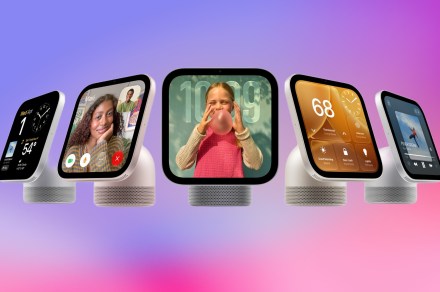
Recent insights from The Information suggest that Apple is deep in the development phase of a sophisticated, robotic iteration of its HomeView smart display. Unlike traditional wall-mounted or tabletop screens, this upcoming hardware is designed to physically pivot, tracking users as they move throughout a space. Industry analysts anticipate a potential launch window as early as 2025, signaling a major shift in how the company approaches domestic automation.
Design and Functionality: The “HomeView Ultra” Concept
Internally referred to by potential monikers like “HomeView Ultra” or “HomeView Max,” the device’s aesthetic is rumored to draw inspiration from the classic iMac G4-a nostalgic nod to Apple’s design history.
The core functionality centers on a nine-inch display mounted on a highly responsive, 360-degree rotating arm. This mechanical agility allows the screen to:
* Track Active Speakers: Automatically rotate to face the person currently engaging with the device.
* Maintain Engagement: Follow users as they walk across a room, ensuring the display is always within the user’s line of sight.
* Enhance Video Conferencing: Provide a more natural, “follow-me” camera experience during FaceTime calls, similar to the Center Stage feature found on iPads but with physical movement.
Intelligent Sensing and Spatial Awareness
To achieve this level of fluid motion, the device will rely on a suite of advanced sensors. It is widely expected that Apple will leverage its proprietary Face ID technology, utilizing infrared projectors and high-resolution cameras to map the room.
This isn’t just about movement; it’s about context. By understanding who is in the room and where they are positioned, the device can prioritize audio and visual output toward the user. As the smart home market continues to grow-with global projections suggesting the sector could reach over $200 billion by 2028-Apple’s move toward “robotic” interfaces represents a premium attempt to differentiate its ecosystem from static competitors like the Amazon Echo Show or Google Nest Hub.
While the price point remains speculative, early reports suggest a premium cost-potentially reaching the $1,000 threshold-reflecting the complex engineering required to bring this motorized assistant to life.