




The Global Pulse: Reflecting on Three Decades of Amsterdam Dance Event
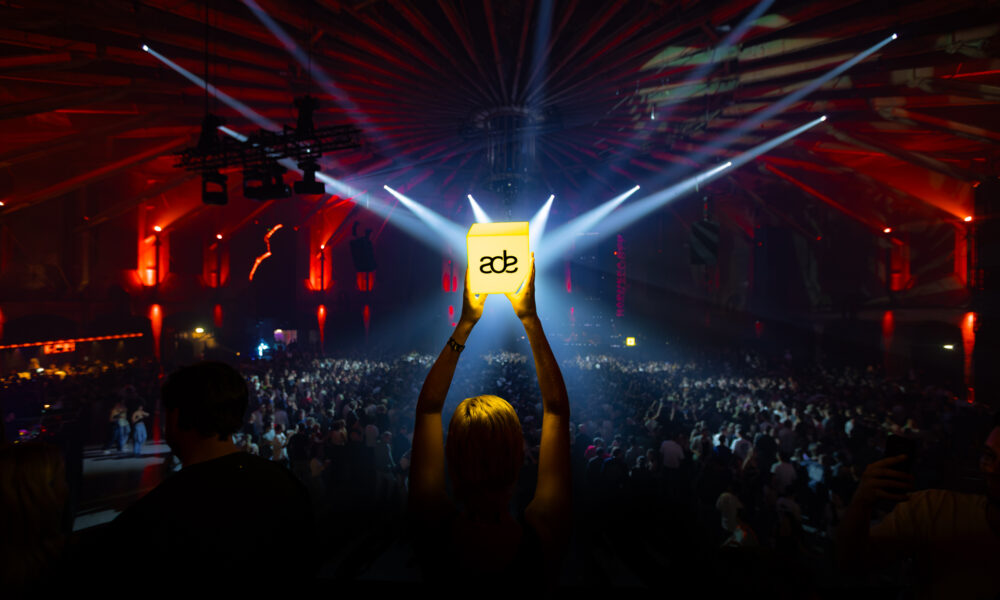
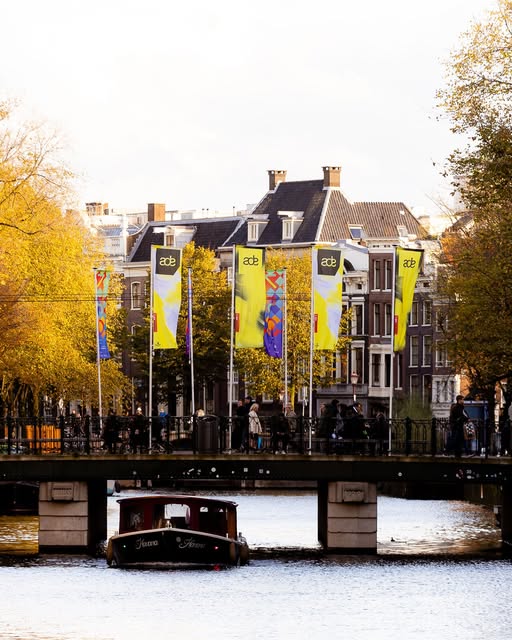
Each October, the landscape of Amsterdam undergoes a profound shift. For nearly a week, the Dutch capital sheds its traditional identity as a quiet city of cycling paths and historic waterways to emerge as the undisputed heart of the international electronic music scene. As the Amsterdam Dance Event (ADE) marked its monumental 30th anniversary this year, it reinforced its status as the definitive benchmark for global club culture, proving that its influence on the industry is stronger than ever.
A Citywide Sonic Ecosystem
During the height of ADE, the atmosphere in Amsterdam is entirely saturated with the rhythms of house, techno, and experimental electronic production. With a staggering footprint of over 1,200 individual events hosted across more than 300 distinct venues, the city functions as a massive, interconnected hub for both casual fans and high-level industry stakeholders. Recent data highlights the scale of this impact, with the event drawing hundreds of thousands of visitors annually, contributing significantly to the local economy and solidifying the Netherlands’ position as a leader in the global music export market.
Bridging the Gap: From Boardrooms to Dancefloors
The true genius of ADE lies in its ability to blend professional development with pure artistic expression. Our experience this year involved a strategic mix of attending high-level ADE Pro conference sessions and keynote discussions at prestigious venues like Felix Meritis, followed by intense networking mixers that bridged the gap between emerging talent and established label executives. This dual-track approach ensures that the event remains as much a business incubator as it is a celebration of sound.
Redefining Urban Spaces
What sets ADE apart from other festivals is its creative use of the urban environment. The city itself becomes a canvas: intimate, clandestine showcases emerge in historic canal-side lofts, while massive, high-energy daytime events revitalize industrial docklands that are usually off-limits to the public. Furthermore, luxury hotels and minimalist concept stores are frequently reimagined as immersive brand activations, creating a unique synergy between lifestyle and music. This fluidity-where a morning panel on music copyright law can lead directly into an afternoon of cutting-edge sonic exploration-is exactly why Amsterdam remains the premier sanctuary for the electronic music community.