


The Evolution of Modern Cinema: Why Storytelling Still Reigns Supreme
The landscape of the film industry is undergoing a seismic shift. As we move deeper into the mid-2020s, the traditional metrics of box office success are being challenged by a fragmented media environment. While high-budget spectacles continue to dominate the conversation, the core of cinematic longevity remains rooted in one fundamental element: the strength of the narrative.
Beyond the Blockbuster: A New Era of Engagement
For decades, the “tentpole” strategy-relying on massive franchises and established intellectual property-was the gold standard for studios. However, recent data suggests a growing audience fatigue toward formulaic sequels. According to 2026 industry reports, mid-budget dramas and original genre-bending films are seeing a resurgence in streaming engagement, proving that viewers are increasingly prioritizing unique voices over recycled concepts.
This transition isn’t just about budget; it’s about the intimacy of the connection between the screen and the spectator. When a film relies solely on CGI spectacle, it risks becoming a passive experience. Conversely, stories that lean into character development and thematic depth foster a sense of community and discourse that lasts long after the credits roll.
The Digital Shift and Audience Agency
The way we consume media has fundamentally altered the “watercooler moment.” In the past, a film’s success was dictated by its opening weekend performance. Today, the “long tail” of a movie’s life cycle is far more significant. Algorithms and social media curation allow niche films to find their audiences months, or even years, after their initial release.
Consider the rise of “slow-burn” cinema. Much like a well-crafted novel that demands patience, these films reward the viewer for their attention. This shift mirrors the way we consume literature or long-form journalism; we are no longer looking for quick dopamine hits, but rather immersive experiences that challenge our perspectives.
Why Originality is the Ultimate Currency
In an era where AI-generated content and deep-fake technology are becoming commonplace, the “human touch” in filmmaking has become a premium commodity. Audiences are developing a sharper intuition for authenticity. They can distinguish between a story crafted with genuine emotional stakes and one assembled by a committee to hit specific demographic markers.
Key Drivers of Modern Cinematic Success:
* Thematic Resonance: Films that tackle contemporary anxieties-such as the ethics of technology or the complexities of human connection-tend to perform better globally.
* Visual Language: Directors who utilize distinct color palettes and unconventional framing are creating “signature” styles that make their work instantly recognizable in a crowded marketplace.
* Inclusive Narratives: Expanding the scope of who gets to tell stories has opened up a treasure trove of untapped cultural perspectives, enriching the global cinematic tapestry.
Looking Ahead: The Future of the Silver Screen
As we look toward the latter half of the decade, the divide between “theatrical” and “home” viewing will likely continue to blur. The future of cinema isn’t about choosing between the multiplex and the living room; it’s about the quality of the story being told.
Whether it is a high-concept sci-fi epic or a quiet, character-driven indie, the films that will define this generation are those that refuse to play it safe. By embracing bold risks and prioritizing the human experience, filmmakers can ensure that cinema remains the most powerful medium for empathy and entertainment in the digital age.
The industry is no longer just about selling tickets; it is about building a legacy of stories that resonate across borders and generations. As long as there is a hunger for truth and imagination, the art of the moving image will continue to thrive.

The Final Lap: Vin Diesel Gears Up for the Conclusion of the Fast & Furious Saga
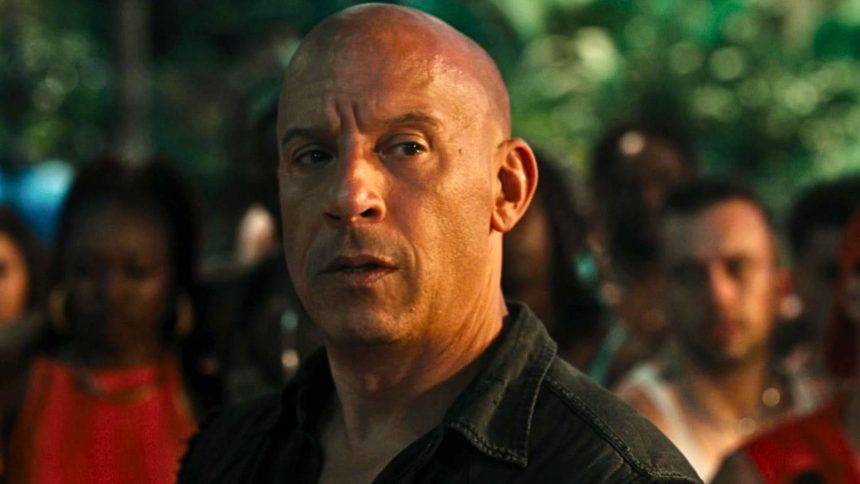
For over two decades, Vin Diesel has cemented his status as a titan of the action genre, primarily by anchoring massive, high-octane cinematic universes. While he has successfully navigated various iconic roles-such as his long-standing tenure as the voice of Groot in the Marvel Cinematic Universe, which wrapped up in 2023, and his gritty portrayal of Richard B. Riddick, a character he is currently revisiting in the upcoming Riddick: Furya-his most enduring legacy remains the Fast & Furious series.
A Legacy Built on Speed
Since the original The Fast and the Furious hit theaters in 2001, the franchise has evolved from a street-racing drama into a global blockbuster phenomenon. As the series approaches its checkered flag, the focus has shifted entirely to the highly anticipated eleventh installment, officially titled Fast Forever. Following the 2023 release of Fast X, the studio confirmed that this upcoming project will serve as the definitive conclusion to the high-stakes saga that has defined Diesel’s career.
Behind the Scenes of the Grand Finale
The production of Fast Forever is officially underway, a milestone recently celebrated by Diesel himself. In a candid update shared via social media, the actor provided fans with a glimpse behind the curtain, showcasing the iconic 1970 Dodge Charger R/T that has become synonymous with his character, Dominic Toretto.
Expressing deep gratitude toward the fanbase, Diesel described the upcoming film as an “amazing finale,” acknowledging the unwavering loyalty of the audience that has supported the “Fast family” for nearly 25 years. While the specific duration of the production schedule remains under wraps, the momentum behind the project is palpable.
What to Expect: Cast and Unresolved Conflicts
While Universal Pictures has kept the plot details for Fast Forever under tight security, the ensemble cast is expected to be a massive reunion of the franchise’s most beloved figures. Fans are anticipating the return of series staples, including Michelle Rodriguez, Tyrese Gibson, Ludacris, Jordana Brewster, Sung Kang, and John Cena. Furthermore, the landscape of the franchise was significantly altered by the surprise appearances of Dwayne Johnson’s Luke Hobbs and Gal Gadot’s Gisele Yashar in the previous installment, both of whom are expected to play pivotal roles in the final chapter.
The narrative stakes have never been higher. The conclusion of Fast X left audiences with a harrowing cliffhanger:
* The Antagonists: The alliance between the duplicitous Aimes (Alan Ritchson) and the vengeful Dante Reyes (Jason Momoa) remains the primary threat. With Aimes exposed as a double agent within The Agency, the heroes are more vulnerable than ever.
* The Cliffhanger: The film’s climax saw Dom and his son trapped in a precarious position at a dam in Portugal, facing a massive explosion orchestrated by Reyes.
As the production team works to resolve these loose ends, the pressure is on to deliver a conclusion that honors the legacy of the series. With a scheduled theatrical release date of March 17, 2028, Fast Forever is poised to be one of the most significant cinematic events of the decade, finally bringing the Toretto saga to its emotional and explosive conclusion.
The Final Lap: What We Know About Fast & Furious 11
The Fast & Furious franchise has evolved from a modest street-racing drama into a global cinematic juggernaut defined by gravity-defying stunts and an ever-expanding “family.” As the saga approaches its conclusion, anticipation for the eleventh installment-often referred to as Fast X: Part 2-is reaching a fever pitch. While the series has faced its share of criticism regarding its departure from grounded reality, its ability to dominate the global box office remains undeniable.
A Shift in Strategy: Moving Beyond the Two-Part Finale
Initially, Universal Pictures marketed the conclusion as a two-part event. However, recent industry shifts suggest that the creative team is looking to refine the narrative arc of the final chapter. Rather than simply serving as a direct sequel to the cliffhanger ending of Fast X, the upcoming film is being positioned as a definitive closing statement.
The production team is reportedly focusing on tightening the script to ensure that the emotional stakes match the high-octane action sequences. By streamlining the plot, the studio aims to avoid the “bloated” feeling that sometimes plagues long-running franchises, ensuring that every character’s journey reaches a satisfying resolution.
The Stakes: Dante Reyes and the Threat to the Family
The primary antagonist, Dante Reyes (played by Jason Momoa), injected a chaotic, unpredictable energy into the franchise. His vendetta against Dominic Toretto (Vin Diesel) is personal, calculated, and relentless. In the upcoming installment, the narrative is expected to pivot toward the consequences of the Fast X finale, where the fate of several core characters hung in the balance.
To keep the tension high, the writers are moving away from the “superhero” tropes that defined the middle entries of the series. Instead, they are leaning into a more desperate, high-stakes tone. Think of it less like a heist movie and more like a high-speed chess match where the board is constantly being set on fire.
Why the Franchise Still Matters
Despite the skepticism from some critics, the Fast & Furious series remains a cultural phenomenon. According to recent box office data, the franchise has grossed over $7 billion worldwide, cementing its place as one of the most successful intellectual properties in history.
The secret to this longevity isn’t just the cars; it’s the evolution of the ensemble cast. What started as a story about a group of street racers has transformed into a modern-day myth about loyalty. As we look toward the final film, the focus remains on the core theme that has anchored the series since 2001: the idea that family is not just who you are born with, but who you choose to stand beside when the road gets rough.
What to Expect: The Road Ahead
While specific plot details remain under tight wraps, fans can expect a return to the franchise’s roots while maintaining the scale of a modern blockbuster. Rumors suggest that the production is prioritizing practical effects over excessive CGI, a move that has been praised by fans who miss the visceral, grounded racing sequences of the early films.
Furthermore, the inclusion of legacy characters and potential surprise cameos will likely serve as a love letter to the fans who have been with the series for over two decades. As the engines rev for one last ride, the goal is clear: to deliver a finale that honors the past while pushing the boundaries of what an action movie can achieve.
Final Thoughts
The road to the end of the Fast & Furious saga has been long, winding, and occasionally bumpy. Yet, as we prepare for the eleventh film, the excitement is palpable. Whether you are a fan of the high-speed heists or the heartfelt family barbecues, the final chapter promises to be a cinematic event that demands to be seen on the biggest screen possible. The finish line is in sight, and for Dom Toretto and his crew, it’s time to make every gear shift count.
Fast Forever: Everything We Know About the Final Ride
The Fast & Furious franchise has evolved from a modest street-racing drama into a global cinematic juggernaut, defying the laws of physics and box office expectations alike. As the saga approaches its conclusion, anticipation for the final installment, currently titled Fast Forever, has reached a fever pitch. While the studio has kept much of the plot under wraps, the roadmap for the series finale is beginning to take shape.
The Road to the Finale
For over two decades, the Toretto family has navigated high-stakes heists, international espionage, and the occasional trip to space. Following the cliffhanger ending of Fast X, which left the fate of several core characters hanging in the balance, Fast Forever is tasked with providing a definitive resolution to the overarching narrative.
Industry insiders suggest that the final film will serve as a direct continuation of the Fast X Part 2 arc. The primary objective for the creative team is to balance the franchise’s signature “family-first” emotional core with the escalating spectacle that fans have come to expect.
Expected Release Timeline
While official production schedules are subject to the complexities of Hollywood logistics, current projections point toward a 2026 release window. Historically, the franchise has utilized summer release dates to maximize its global reach, and Fast Forever is expected to follow this pattern, aiming to dominate the mid-year blockbuster season.
Returning Cast and Character Arcs
The heart of the franchise remains Vin Diesel’s Dominic Toretto. Despite the shifting landscape of the series, Diesel has consistently emphasized that the finale must honor the legacy of the characters who started it all.
Fans can expect the return of the core ensemble, including:
* Michelle Rodriguez as Letty Ortiz
* Tyrese Gibson as Roman Pearce
* Ludacris as Tej Parker
* Nathalie Emmanuel as Ramsey
* Sung Kang as Han Lue
Furthermore, the inclusion of Jason Momoa’s Dante Reyes-who injected a chaotic, villainous energy into the previous installment-is all but confirmed to continue, as his vendetta against the Toretto crew remains the primary catalyst for the final conflict.
What to Expect from the Final Chapter
The Fast & Furious series has always been about “upping the ante.” If the previous films were about cars jumping between skyscrapers or driving on ice, Fast Forever is rumored to focus on a more grounded, yet emotionally heavy, conclusion.
A Return to Roots
There is significant speculation that the final film will circle back to the franchise’s origins: street racing. While the stakes will remain global, sources indicate that the narrative will prioritize the intimate, high-speed dynamics that defined the 2001 original. This “full circle” approach is intended to satisfy long-time fans who have followed the journey from the streets of Los Angeles to the global stage.
The Legacy of Paul Walker
The presence of Brian O’Conner continues to be felt throughout the series. The production team has maintained a respectful approach to the character’s legacy, and it is widely anticipated that Fast Forever will feature a poignant tribute to Paul Walker, ensuring that the character remains an integral part of the family’s final victory.
Why This Finale Matters
The Fast & Furious saga is one of the few remaining original intellectual properties that has sustained success for over 20 years. With a cumulative global box office gross exceeding $7 billion, the franchise has redefined the action genre. Fast Forever isn’t just another sequel; it is the closing of a cultural chapter.
As we look toward the release, the focus remains on whether the series can stick the landing. By blending the high-octane stunts that made the franchise famous with the emotional weight of a two-decade-long journey, Fast Forever aims to be more than just a movie-it aims to be a cinematic farewell to one of the most
Cinematic Visionary: Louis Leterrier’s Latest Project
Release Date: March 17, 2028
The landscape of modern cinema is constantly shifting, and the announcement of a new project helmed by acclaimed filmmaker Louis Leterrier has generated significant buzz within the industry. Known for his kinetic visual style and ability to balance high-octane action with character-driven narratives, Leterrier’s involvement signals a major milestone for this upcoming production.
The Creative Force Behind the Lens
Louis Leterrier has solidified his reputation as a master of the blockbuster format. From his early work in the Transporter series to his more recent contributions to the Fast & Furious franchise, Leterrier possesses a unique talent for orchestrating complex sequences that keep audiences on the edge of their seats. His directorial approach is characterized by a seamless blend of practical stunts and cutting-edge visual effects, a signature style that fans expect to see elevated in this 2028 release.
Why This Production Matters
As the film industry moves toward 2028, the demand for immersive, large-scale storytelling has reached an all-time high. Recent market data suggests that audiences are increasingly gravitating toward directors who can provide a cohesive, “event-level” experience. By tapping Leterrier, the studio is clearly aiming to capitalize on his proven track record of delivering global box-office hits.
Unlike previous projects that relied heavily on established intellectual property, this venture represents a fresh opportunity for Leterrier to apply his technical expertise to a new narrative framework. His ability to maintain narrative tension while managing massive production budgets makes him the ideal candidate to steer this ambitious project.
Anticipating the 2028 Experience
With a release date set for mid-March 2028, the film is positioned to capture the lucrative spring market. While specific plot details remain under wraps, the industry consensus is that Leterrier is pushing the boundaries of his own craft. Much like a conductor leading an orchestra, Leterrier’s role here is to harmonize the various departments-from cinematography to sound design-into a singular, visceral experience.
As we look toward the future of entertainment, it is clear that directors like Leterrier are not just making movies; they are defining the cultural zeitgeist. Keep an eye on this space as more information regarding the cast, production design, and narrative scope becomes available in the coming months.
Creative Minds Behind the Project
The narrative framework and screenplay for this production were crafted by a collaborative team of seasoned writers, including Christina Hodson, Michael Lesslie, Oren Uziel, and Gary Scott Thompson. Their combined efforts were instrumental in shaping the film’s high-octane plot and character arcs.
The Production Powerhouse
Bringing this vision to the big screen required a formidable team of producers who managed the complex logistics of such a massive undertaking. The production credits feature a mix of industry veterans and major stars, including Amanda Lewis, Jeff Kirschenbaum, and Neal H. Moritz. Additionally, the project benefited from the hands-on involvement of lead actors Dwayne Johnson and Vin Diesel, who served as producers alongside Samantha Vincent to ensure the film maintained the high-energy standards expected by its global fanbase.
A Comprehensive Guide to the Fast & Furious Cinematic Timeline
The Fast & Furious franchise has evolved from a modest street-racing drama into one of the most lucrative and expansive action sagas in Hollywood history. With over two decades of high-octane storytelling, the series has grown into a complex web of sequels, prequels, and spin-offs. If you are looking to catch up on the entire narrative arc, understanding the chronological order of these films is essential.
The Core Saga: From Street Racing to Global Espionage
The journey began in 2001 with The Fast and the Furious, which introduced audiences to Dominic Toretto and Brian O’Conner. This initial chapter set the tone for the franchise, focusing on underground racing culture. The momentum continued with 2 Fast 2 Furious, which expanded the scope of the series, followed by The Fast and the Furious: Tokyo Drift. While Tokyo Drift was released third, it actually takes place much later in the internal timeline, serving as a pivotal bridge for character development.
As the series progressed, the stakes shifted from local heists to international missions. The release of Fast & Furious (2009) reunited the original cast, setting the stage for the “heist era” of the franchise, which peaked with the critically acclaimed Fast Five and Fast & Furious 6. The emotional weight of the series reached a crescendo with Furious 7, a film that served as both a high-stakes action spectacle and a heartfelt tribute to the late Paul Walker.
Expanding the Universe: Recent Chapters and Spin-offs
In recent years, the franchise has continued to push the boundaries of physics and storytelling. The Fate of the Furious introduced new dynamics to the Toretto family, while the spin-off Fast & Furious Presents: Hobbs & Shaw allowed fan-favorite characters Luke Hobbs and Deckard Shaw to take center stage in their own high-stakes adventure. This spin-off proved that the brand had enough cultural capital to thrive outside of the main Toretto-centric narrative.
The saga returned to its core roots with F9: The Fast Saga, which explored long-buried family secrets, and most recently, Fast X, which has set the stage for the franchise’s grand finale. With the series grossing over $7 billion globally, it remains a titan of the action genre, consistently proving that the themes of “family” and “loyalty” resonate with audiences worldwide.
Chronological Viewing Order for Fans
For those attempting a marathon, it is important to note that the release order does not always match the story order. To experience the narrative as it unfolds chronologically, consider this sequence:
- The Early Days: The Fast and the Furious, 2 Fast 2 Furious, and Fast & Furious.
- The Mid-Era Expansion: Fast Five and Fast & Furious 6.
- The Tokyo Connection: The Fast and the Furious: Tokyo Drift (which chronologically slots in here).
- The Modern Saga: Furious 7, The Fate of the Furious, Fast & Furious Presents: Hobbs & Shaw, F9: The Fast Saga, and Fast X.
Whether you are a newcomer or a long-time enthusiast, the Fast & Furious saga offers a unique blend of adrenaline-fueled stunts and character-driven drama that few other franchises can replicate.
The Legacy of the Fast & Furious Cinematic Universe
The Fast & Furious franchise stands as a monumental pillar in modern action cinema, evolving from a niche underground street-racing drama into a global, high-stakes espionage juggernaut. Over the past two decades, this series has redefined the blockbuster landscape, proving that a focus on “family” and adrenaline-fueled spectacle can sustain a multi-billion dollar enterprise.
From Street Racing to Global Espionage
When the original film debuted in 2001, it was a grounded exploration of Los Angeles car culture. The narrative centered on the tension between law enforcement and the underground racing scene. However, the franchise underwent a radical transformation starting with Fast Five (2011). By shifting the genre from street-level crime to international heist-thriller, the producers unlocked a new level of creative freedom.
This pivot allowed the series to incorporate increasingly elaborate stunts-such as vault heists in Rio de Janeiro and high-altitude aerial maneuvers-that pushed the boundaries of physics and audience expectations.
The “Family” Dynamic as a Narrative Anchor
At the heart of the franchise’s longevity is its unwavering commitment to the theme of “family.” While other action series rely on solitary heroes, Fast & Furious thrives on the chemistry of its ensemble cast. This emotional core provides a necessary grounding for the increasingly outlandish set pieces.
Recent industry analysis suggests that this character-driven approach is a primary reason for the franchise’s enduring popularity. By treating the crew as a surrogate family, the films create a sense of continuity that keeps viewers invested, regardless of how far-fetched the plot becomes.
Economic Impact and Cultural Reach
The financial success of the Fast & Furious saga is staggering. As of recent box office reports, the franchise has grossed over $7 billion worldwide, consistently ranking among the highest-grossing film series in history. Its influence extends beyond the screen, impacting automotive trends, music, and global pop culture.
Key factors contributing to this success include:
* Diverse Casting: The series has long championed multicultural representation, which has helped it resonate with a truly global audience.
* Technological Innovation: The use of practical effects combined with cutting-edge CGI has set a new standard for action choreography.
* Strategic Expansion: The introduction of spin-offs, such as Hobbs & Shaw, demonstrates the studio’s ability to leverage the brand’s popularity to explore new narrative avenues.
Looking Toward the Future
As the franchise approaches its final chapters, the focus remains on balancing legacy with innovation. The evolution of the Fast & Furious brand serves as a masterclass in franchise management. By constantly reinventing its tone while maintaining the core values that fans cherish, the series has secured its place in the pantheon of cinematic history. Whether through future sequels or expanded universe projects, the impact of Dominic Toretto and his crew will be felt in the action genre for years to come.