




The Localization Mandate: Can U.S. Manufacturing Support the New Robot Ban?
The landscape for automated hardware in the United States is undergoing a seismic shift. With the FCC recently expanding its “Covered List”-a security-focused registry previously used to restrict telecommunications giants like Huawei and ZTE-the focus has now pivoted toward the robotics sector. According to reports from Rest of World, the era of unrestricted access for foreign-manufactured autonomous machines is effectively over.
Understanding the FCC’s New Robotics Policy
The regulatory update classifies “advanced robotic devices” as potential national security risks. This broad categorization encompasses a wide array of hardware, ranging from sophisticated humanoid platforms and quadrupedal units to everyday consumer electronics like robot vacuums and autonomous lawn care systems.
While the policy language avoids naming specific nations, the intent is clear: the U.S. government is aggressively decoupling its robotics supply chain from foreign dependencies, specifically targeting Chinese manufacturing dominance.
The 65% Threshold: A High Bar for Entry
To maintain access to the American market, manufacturers must now pivot toward domestic production. The new mandate requires that robots be assembled within the U.S. and, more critically, that at least 65% of their component value must originate domestically.
This is not a static requirement. The government has set an aggressive trajectory, with the domestic content threshold slated to increase to 75% by 2029. For companies accustomed to globalized, low-cost supply chains, this represents a massive logistical hurdle. Building a robust, localized supply chain from the ground up is a multi-year endeavor-a timeline that many industry analysts argue is far shorter than what is realistically achievable.
What This Means for Consumers and Innovators
Despite the strict nature of these regulations, there are specific carve-outs designed to prevent immediate market disruption:
* Grandfathered Inventory: Products that are already available for purchase or currently in the retail pipeline remain unaffected by these new rules.
* R&D Exemptions: Hardware imported exclusively for research, development, or academic testing remains exempt, ensuring that the pace of innovation in labs and universities is not stifled by trade policy.
The Future of Domestic Robotics
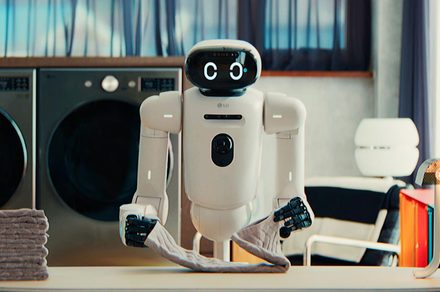
As the industry adjusts, we are seeing major players attempt to bridge the gap. For instance, companies like LG are already showcasing advanced home automation solutions, such as their CLOiD home robot, designed to align with the vision of a “zero-labor” household. However, the challenge remains: can the U.S. manufacturing ecosystem scale fast enough to replace the massive volume of foreign-made units currently powering our homes and industries?
The transition will likely be defined by a period of supply volatility as manufacturers scramble to onshore their production lines to meet the 2029 deadline.