




Mastering the Wilderness: A Comprehensive Guide to Trekking the Lost Coast Trail
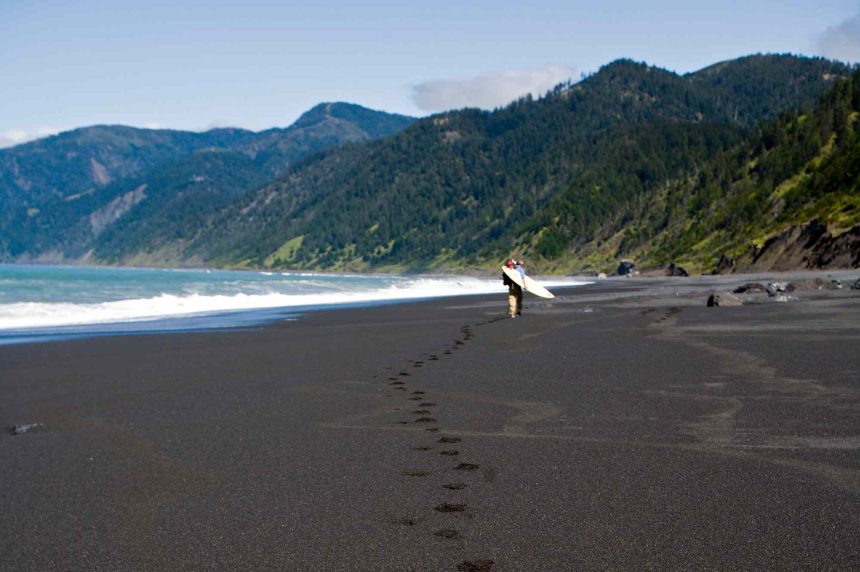
Spanning roughly 25 miles of rugged, untouched shoreline in Northern California, the Lost Coast Trail offers an experience that feels worlds away from modern civilization. Because the steep terrain of the King Range prevented the construction of Highway 1, this stretch of coastline remains one of the few places in the state where the mountains collide directly with the Pacific Ocean in total isolation.
If you are looking to trade cell service for the rhythmic crashing of waves and the solitude of the wilderness, here is how to navigate this iconic backpacking route.
Understanding the Geography of the King Range
Unlike traditional mountain trails that rely on elevation gain for their challenge, the Lost Coast is defined by its unique tidal constraints. The route is not merely a walk along the beach; it is a strategic dance with the Pacific.
The trail is divided into two primary sections: the northern stretch from Mattole Beach to Shelter Cove, and the southern portion. Most backpackers prioritize the northern 25-mile segment. Because certain sections of the beach are impassable during high tide, your itinerary must be dictated by the tide charts rather than your personal stamina.
Essential Logistics and Preparation
Before you lace up your boots, you must secure the necessary permits. The Bureau of Land Management (BLM) strictly limits the number of hikers allowed on the trail daily to preserve the ecosystem.
* Permit Acquisition: Reservations are mandatory and often sell out months in advance via Recreation.gov.
* Tide Safety: Never attempt to cross “tide-dependent zones” during high water. A good rule of thumb is to plan your movement for the three hours before and after low tide.
* Bear Safety: The King Range is home to a dense population of black bears. You are legally required to carry an approved hard-sided bear canister to store all food, trash, and scented items.
Navigating the Terrain: What to Expect
Hiking the Lost Coast is physically demanding in ways that differ from inland trekking. You will be walking on soft, shifting sand, which significantly increases the strain on your ankles and calves.
The “Sand Tax”
Expect to move slower than your usual pace. While you might average 3 miles per hour on a groomed forest path, the sand and rocky tide pools will likely reduce your speed to 1.5 miles per hour. Factor this into your daily mileage goals to ensure you reach your campsite before the tide rises.
Water Sources
While you are surrounded by the ocean, fresh water is a precious commodity. You will need to filter water from the various creeks that drain from the mountains into the sea. During late summer, some of these sources may run dry, so check current BLM reports before departing.
Why the Lost Coast Remains Unrivaled
Recent data from the National Park Service and BLM indicates a growing interest in “primitive” backpacking experiences, with remote trails seeing a 15% increase in foot traffic over the last three years. Despite this, the Lost Coast retains its wild character.
Think of the Lost Coast not as a typical hiking trail, but as a maritime expedition. Much like navigating a remote island, you are a guest in an environment that is constantly shifting. The reward for your planning is a front-row seat to one of the most pristine ecosystems in North America, where elk graze on coastal bluffs and the night sky is free from the light pollution of the nearby cities.
Final Tips for a Successful Trek
- Footwear: Wear trail runners with excellent drainage rather than heavy, waterproof boots. Your feet will get wet; you want shoes that dry quickly.
- Leave No Trace: This is a fragile environment. Pack out every scrap of trash, including toilet paper.
- Shuttle Services: Since the trail is a point-to-point route, arrange for a local shuttle service in Shelter Cove to transport you back to your vehicle at the Mattole trailhead.
By respecting the tides and preparing for the unique demands of the sand, you will find that the Lost Coast is more than just a hike-it is a profound reconnection with the raw power of the California wilderness.