





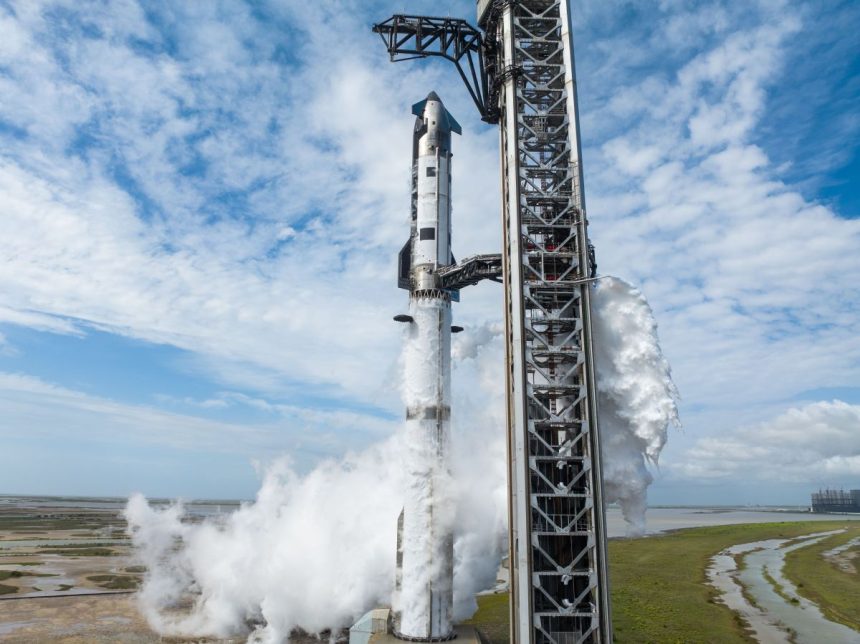
SpaceX Cleared for Starship V3 Return: Advancing Toward Reusable Spaceflight
Following a thorough investigation into the booster malfunction that occurred during the May test flight, the Federal Aviation Administration (FAA) has officially granted SpaceX the green light to resume Starship operations. With the root causes identified and addressed, the aerospace giant is eyeing a potential launch window as early as Thursday, July 16.
This upcoming mission marks a pivotal moment for the company, as it represents the second flight of the V3 Starship architecture. Notably, this launch will transition from testing dummy payloads to deploying the first operational third-generation Starlink satellites, signaling a shift toward practical utility for the massive launch system.
Refining the “Fly, Fail, Fix” Philosophy
Since its historic IPO on the Nasdaq Stock Exchange on June 12-which saw the company raise a record-breaking $86 billion and instantly rank among the world’s most valuable entities-SpaceX has faced increased public scrutiny. The company’s iterative development strategy, famously dubbed “rapid unscheduled disassembly” by CEO Elon Musk, is now being evaluated by a broader base of public shareholders.
While the May 22 debut of the V3 Starship was largely a triumph-successfully lifting the 407-foot vehicle and deploying 20 test simulators-it was not without its setbacks. The Super Heavy booster failed to execute its simulated landing in the Gulf of Mexico, crashing into the water after its engines failed to re-ignite.
Technical Adjustments and FAA Findings
Both SpaceX and the FAA have pinpointed the failure to the critical moment of booster separation. According to the FAA, the primary culprits were “heat effects on propulsion system components” during the ascent, compounded by faulty engine alarm settings.
In response, SpaceX has implemented a series of rigorous upgrades:
* Engine Startup Sequence: Engineers have recalibrated the startup sequence to ensure the booster maintains its orientation during the flip maneuver.
* Re-light Reliability: Hardware modifications have been applied to the booster to ensure consistent engine ignition.
* Alarm System Overhaul: The engine abort and alarm protocols have been redesigned to prevent the erroneous triggers that plagued the previous flight.
* Vacuum Engine Stability: Addressing the loss of one of the three vacuum-optimized Raptor engines during the May flight, the team has integrated several operational and hardware safeguards to ensure all engines remain functional throughout the mission.
The Strategic Importance of V3 Starlink
The upcoming flight is more than just a test of the rocket; it is a deployment mission for the next generation of Starlink satellites. SpaceX intends to launch 20 of these advanced units, which are engineered to significantly boost network capacity and user data speeds.
These satellites will utilize high-capacity laser links to integrate with the existing constellation. Interestingly, these units are designed for a short lifespan; they will de-orbit and burn up in the atmosphere approximately 20 minutes after deployment. To provide real-time data on the rocket’s performance, six of these satellites will carry specialized camera arrays to capture high-definition footage of the Starship’s exterior during flight.
The Path to Interplanetary Infrastructure
The success of the V3 Starship is the linchpin of SpaceX’s long-term roadmap. As Starlink remains the primary revenue driver for the company, the ability to launch these satellites efficiently is vital. However, the ultimate goal remains the creation of a fully reusable launch system. Without this, the company’s ambitious visions-ranging from orbital data centers to the colonization of Mars-remain out of reach. By mastering the “fly, fail, fix” cycle, SpaceX is betting that these incremental improvements will eventually pave the way for routine, cost-effective access to space.
Disclaimer: This article contains affiliate links. Purchases made through these links may earn us a commission, though this does not influence our editorial integrity.


About Sean O’Kane
Sean O’Kane is a seasoned journalist with a deep-rooted history in the tech industry. Throughout his career, he has worn many hats, ranging from editorial photography and product analysis to hosting both long-form and short-form video content. His professional journey has been anything but sedentary; he has even experienced the high-G forces of a Red Bull Air Race plane firsthand-an experience that nearly pushed him to his physical limits.
Professional Background and Expertise
With a career defined by versatility, Sean has spent years dissecting the latest trends in consumer technology. His work goes beyond simple reporting; he integrates visual storytelling through high-quality photography and dynamic video production to provide a comprehensive look at how new gadgets and software impact our daily lives. Whether he is behind the camera or at the keyboard, his focus remains on delivering clear, insightful analysis for tech-savvy audiences.
How to Reach Sean
If you are looking to get in touch with Sean for professional inquiries, media outreach, or to verify his identity, you can reach him through the following channels:
- Email: sean.okane@techcrunch.com
- Encrypted Messaging: okane.01 (via Signal)
Note: For those prioritizing digital privacy, Signal remains the preferred method for secure communication.