



Tomorrowland Weekend Two: Safety Protocols and Pyrotechnic Adjustments
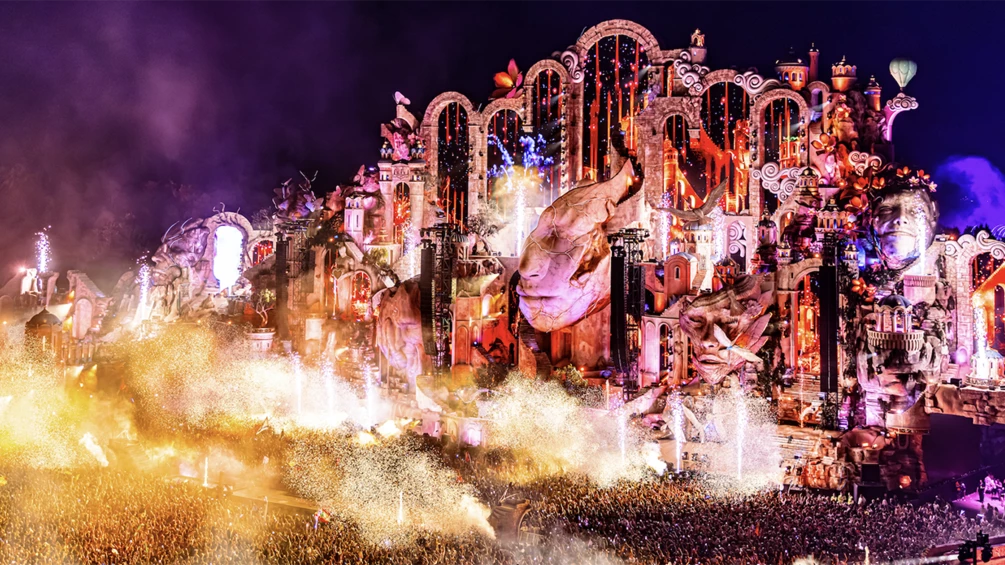
As Tomorrowland enters its second weekend, festival organizers have confirmed that the event will proceed under strict safety mandates. Following the precedent set during the opening weekend, large-scale pyrotechnic displays remain prohibited to mitigate environmental hazards.
### Fire Safety Measures in Boom
The decision to curtail traditional firework displays stems from ongoing concerns regarding the arid climate in Boom, Belgium. Local officials have maintained a cautious stance, citing the heightened risk of wildfires caused by prolonged dry spells. While the festival atmosphere remains electric, the safety of the surrounding region takes precedence, leading to a continued ban on high-altitude pyrotechnics.
According to reports from VRT NWS, the only pyrotechnics authorized for the second weekend are restricted to the Main Stage. These are categorized as T1 and T2 effects-specialized, low-impact pyrotechnics that require minimal safety clearance and offer precise, automated control. Festival management has clarified that these effects are a far cry from the massive aerial displays fans are accustomed to, and their use will be subject to rigorous daily safety evaluations conducted alongside local authorities.
### A Star-Studded Lineup Continues
Despite the visual adjustments, the musical programming remains as robust as ever. Running from Thursday, July 23rd, through Sunday night, the festival continues to host a global roster of electronic music icons. Attendees can look forward to high-energy sets from industry heavyweights, including ALOK, the genre-bending Indira Paganotto, and the melodic sounds of Miss Monique. The weekend also features performances from trance legend Armin van Buuren, global superstar Calvin Harris, and the dynamic Mall Grab.
### Camping Regulations and Environmental Awareness
The safety-first approach extends beyond the stage. To prevent accidental fires within the festival grounds, the prohibition on personal cooking equipment and barbecues at the campsite remains strictly enforced. This measure is a standard precaution during extreme weather events, similar to the “fire bans” often implemented in national parks during peak summer heatwaves to protect both the land and the public.
For those who experienced the restrictions introduced during weekend one, these ongoing protocols serve as a reminder of the festival’s commitment to responsible event management in an era of changing climate conditions.