
![[Event Review] A Fan Just Saved GRiZ’s Red Rocks Comeback Show — And We Witnessed It All](https://www.mixtv1.com/wp-content/uploads/2026/09/29697-attachment.jpg)


### The Paradigm Shift: Why German Automotive Giants Are Pivoting to Eastern Software Expertise
For nearly a century, the automotive industry operated under a singular, ironclad rule: if you wanted the pinnacle of engineering, you looked to Germany. The titans of Wolfsburg set the global standard, defining how vehicles were manufactured, refined, and distributed. For decades, the “Made in Germany” label was synonymous with mechanical invincibility. However, the rapid, high-stakes transition to electric vehicles (EVs) has rendered these traditional playbooks obsolete.
#### Beyond the Chassis: The New Software-Defined Reality
The industry is currently witnessing a fascinating, albeit humbling, reversal of fortune. In the past, a car’s value was measured by its engine displacement, transmission smoothness, and build quality. Today, those metrics are secondary. The modern EV landscape has proven that even the most impeccably engineered chassis is essentially a “dumb” machine if its digital architecture is sluggish or unreliable.
Legacy manufacturers are grappling with a harsh reality: building a world-class vehicle is no longer enough if the user interface feels like a relic from the dial-up internet era. As vehicles become “computers on wheels,” the ability to deliver seamless over-the-air updates, intuitive infotainment, and advanced autonomous features has become the primary battleground.
#### Trading Tradition for Technological Agility
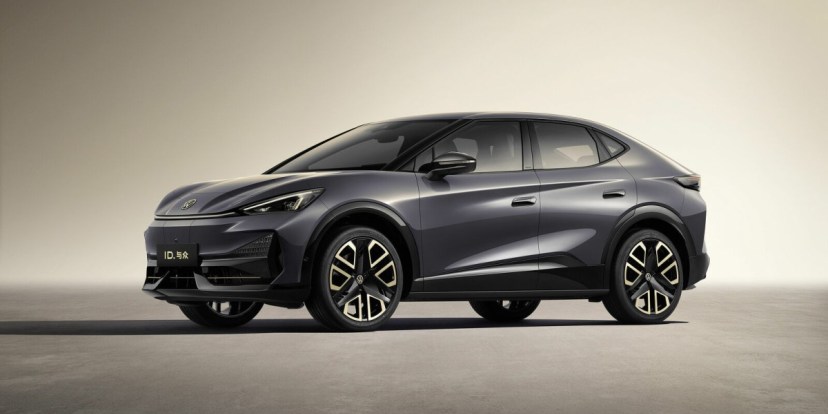
Recognizing that their internal software development cycles cannot keep pace with the breakneck speed of the digital age, traditional European powerhouses are making a strategic pivot. Rather than clinging to the “not invented here” mentality, these companies are increasingly looking toward Chinese tech ecosystems to bridge the gap.
This shift is not merely about outsourcing; it is a fundamental restructuring of how these companies view their own identity. By integrating advanced software stacks-such as Level 3 autonomous driving capabilities-from partners who have already mastered the complexities of high-speed data processing and AI integration, legacy brands are attempting to reclaim their competitive edge.
#### The Future of the EV Turf War
The stakes could not be higher. With global EV sales reaching record highs-surpassing 14 million units in 2023 according to recent IEA data-the pressure to innovate is relentless. For the giants of the past to survive the next decade, they must shed their reliance on legacy hardware-first mentalities. The transition from mechanical mastery to software-driven intelligence is the defining challenge of the modern era, and for the industry’s oldest players, it is a race against time to prove that they can evolve as quickly as the technology they are now adopting.