




The Complex Relationship Between Renal Function and Potassium Intake
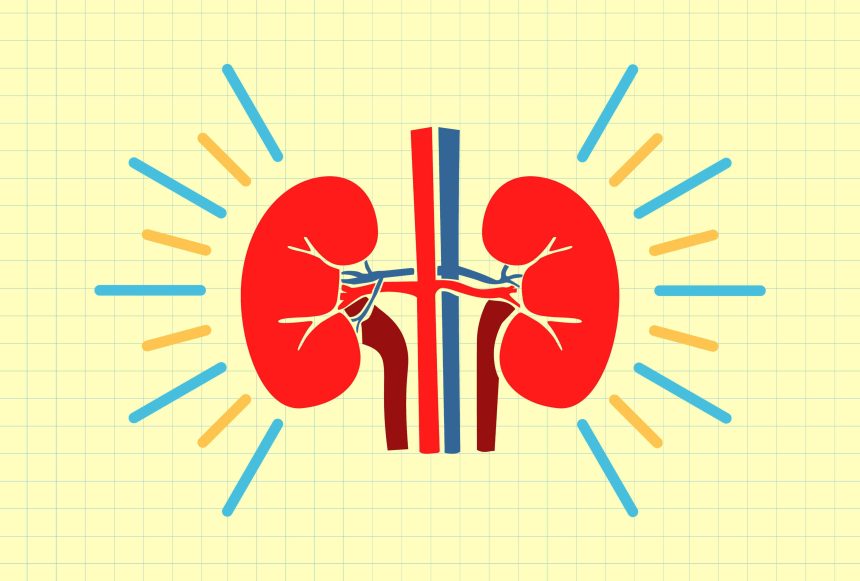
The interplay between your kidneys and dietary potassium is frequently oversimplified, leading to significant confusion for those managing their renal health. While potassium is an essential electrolyte for nerve signaling and muscle contraction, its management becomes a high-stakes balancing act when kidney function begins to decline.
Why Potassium Balance Matters for Renal Patients
Healthy kidneys act as a sophisticated filtration system, precisely regulating the amount of potassium circulating in your bloodstream. When renal efficiency drops-often due to conditions like chronic kidney disease (CKD)-the body loses its ability to effectively excrete excess potassium. This can lead to hyperkalemia, a condition where potassium levels climb dangerously high, potentially triggering cardiac arrhythmias or sudden muscle weakness.
According to recent data from the National Kidney Foundation, nearly 37 million American adults are estimated to have CKD, and many remain unaware that their dietary choices directly impact their serum electrolyte levels. Managing this balance is not about eliminating potassium entirely, but rather about strategic moderation.
Rethinking Your Dietary Approach
Rather than viewing potassium as a universal enemy, it is more accurate to view it as a nutrient that requires personalization. For individuals with early-stage kidney issues, the focus is often on maintaining a balanced intake. However, as renal function decreases, medical professionals typically recommend shifting toward lower-potassium alternatives to prevent toxic buildup.
Consider these practical adjustments:
* Strategic Swaps: Instead of high-potassium staples like potatoes or bananas, opt for cauliflower or berries, which offer similar nutritional benefits with a lower mineral load.
* Preparation Techniques: Techniques such as “leaching”-soaking sliced vegetables in water before cooking-can significantly reduce their potassium content, allowing for more variety in your diet.
* Monitoring Trends: Modern health tracking apps now allow patients to log their daily intake, providing a clearer picture of how specific foods influence their blood work results over time.
The Importance of Professional Guidance
Because every individual’s renal capacity is unique, there is no “one-size-fits-all” potassium limit. What is safe for one person may be hazardous for another. It is vital to work alongside a renal dietitian who can analyze your specific lab values-such as your glomerular filtration rate (GFR)-to create a tailored nutritional roadmap.
Understanding the nuances of this relationship is the first step toward proactive health management. By staying informed and working closely with your healthcare team, you can maintain a diet that supports your kidneys rather than straining them.
The connection between kidney health and potassium is often misunderstood. » More Info >>>