


![Watch Carl Cox spotlight his favourite disco records ahead of Louie Vega b2b set at [UNVRS] Ibiza](https://www.mixtv1.com/wp-content/uploads/2026/09/31489-attachment.jpg)

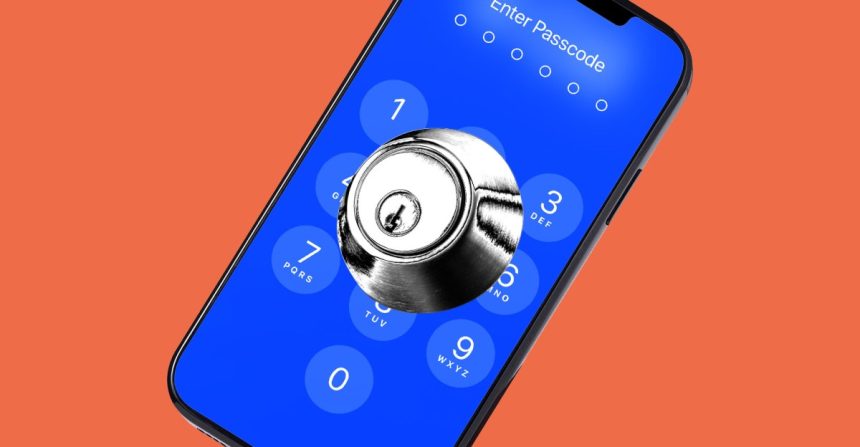
### Digital Privacy Under Fire: The Legal Battle Over “Duress Passwords”
In a case that highlights the escalating tension between personal digital security and federal investigative powers, the U.S. government is currently prosecuting Sam Tunick. The charges stem from an incident at Hartsfield-Jackson Atlanta International Airport on January 24, 2025, where federal agents claim Tunick utilized a “duress password” to remotely wipe his mobile device during a border search.
#### The Intersection of Privacy Tools and Federal Law
The core of the prosecution’s argument rests on a rarely invoked statute that criminalizes the destruction or impairment of property to prevent government seizure. Prosecutors contend that Tunick intentionally triggered a data-wiping feature inherent to GrapheneOS-a privacy-centric mobile operating system-by providing a decoy passcode rather than his primary unlock credentials.
This legal maneuver is significant because it treats the deletion of one’s own data as an act of obstruction. While digital privacy advocates argue that users have a fundamental right to protect their personal information, federal authorities are increasingly viewing the use of “kill switches” or duress codes as a direct interference with law enforcement operations.
#### A Pretext for Surveillance?
While the government initially detained Tunick under the suspicion of possessing illicit materials, his legal team maintains that these allegations are entirely fabricated. In a formal motion, defense attorneys characterized the airport detention as a “fishing expedition,” suggesting that the true objective was to map Tunick’s associations with the Stop Cop City movement.
This defense strategy shifts the focus from the technical act of wiping a phone to the broader implications of government surveillance. By arguing that the initial seizure was unlawful, Tunick’s counsel is seeking to suppress all evidence obtained during the encounter, framing the entire ordeal as a targeted effort to intimidate political activists rather than a legitimate criminal investigation.
#### The Growing Stakes of Border Searches
The legal landscape regarding device searches at the border remains murky. According to recent data from the Electronic Frontier Foundation (EFF), the number of electronic device searches conducted by U.S. Customs and Border Protection has surged by over 40% in the last five years, reaching record highs. As travelers become more aware of these invasive practices, the adoption of privacy-hardened devices-like those running GrapheneOS-has grown.
For many, these tools are not about hiding criminal activity, but about protecting sensitive personal data, professional communications, and political affiliations from warrantless inspection. As this case proceeds, it will likely set a critical precedent for whether citizens can legally employ defensive security measures to protect their digital lives from government overreach.