![Watch Carl Cox spotlight his favourite disco records ahead of Louie Vega b2b set at [UNVRS] Ibiza](https://www.mixtv1.com/wp-content/uploads/2026/09/31489-attachment.jpg)



Is Your Cookware Compromising Your Health? Why It’s Time for an Upgrade
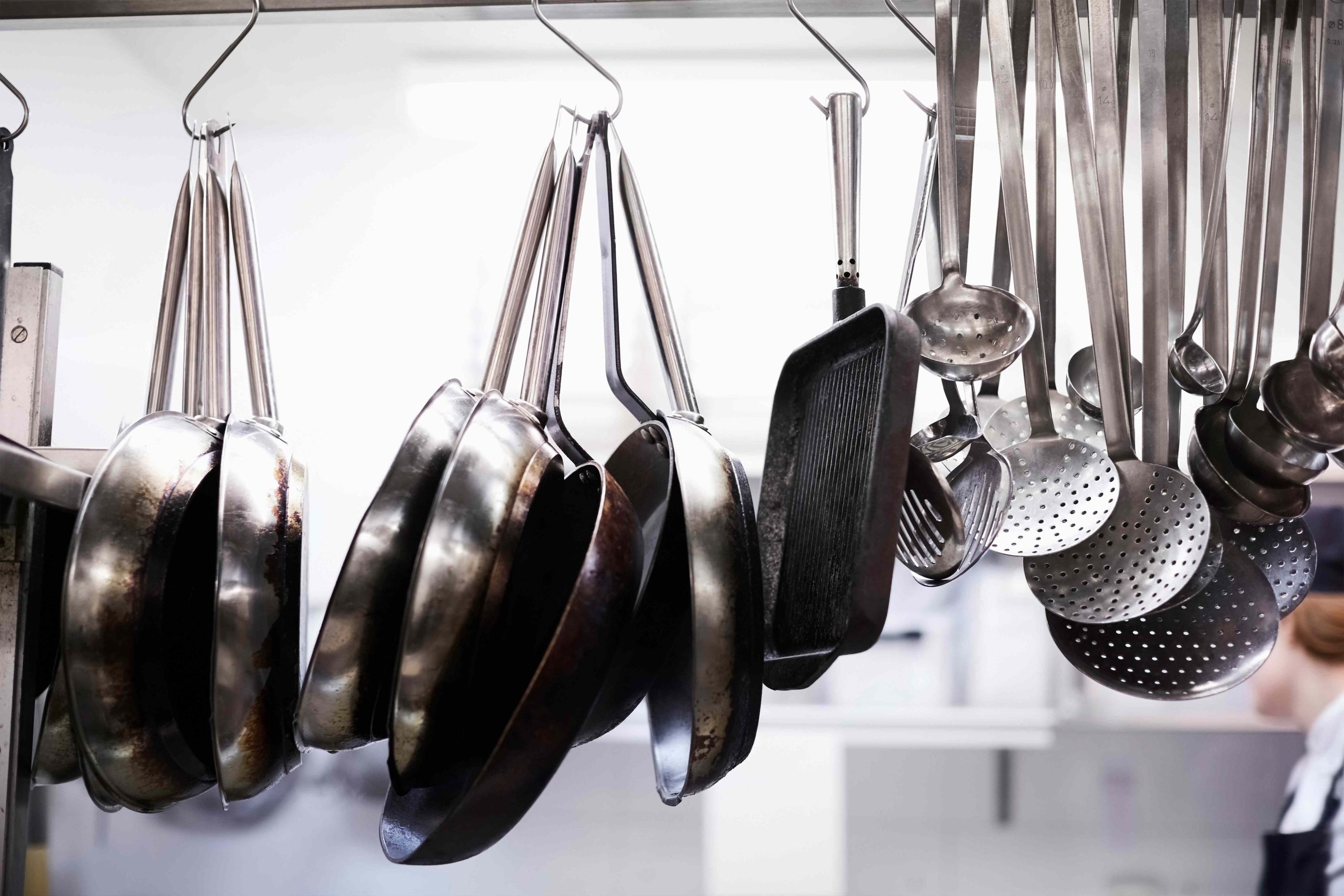
The kitchen is the heart of the home, but the tools we use to prepare our meals can sometimes harbor hidden risks. Recent scrutiny from health organizations, including the FDA, has brought the safety of certain types of cookware into the spotlight. If your cabinets are filled with scratched, peeling, or outdated pans, it might be time to perform a serious audit of your kitchen inventory.
The Hidden Dangers of Damaged Cookware
Many of us hold onto well-loved pans for years, often ignoring the signs of wear and tear. However, when the non-stick coating on a pan begins to flake or deep scratches expose the base metal, you are no longer just cooking food-you are potentially introducing foreign materials into your diet.
Research indicates that degraded surfaces can leach heavy metals, such as lead or cadmium, into your meals. According to recent data, even trace amounts of these substances can accumulate in the body over time, leading to long-term health complications. While modern manufacturing standards have improved, older pans-particularly those manufactured before stricter safety regulations were enforced-pose a significant risk.
Identifying When to Retire Your Pans
You don’t need to be a chemist to know when a pan has reached the end of its life. Use these simple indicators to decide what stays and what goes:
* Visible Flaking: If you see bits of the coating coming off, those particles are likely ending up in your dinner.
* Deep Gouges: Any scratch that reaches the metal underneath is a potential site for chemical leaching.
* Warped Bases: A pan that no longer sits flat on the burner heats unevenly, which can cause the coating to break down faster due to localized overheating.
* Persistent Sticky Residue: If food sticks even when using oil, the integrity of the non-stick surface has likely been compromised.
Making the Switch: Safer Alternatives
Transitioning to safer cookware doesn’t have to be an overwhelming expense. When replacing your gear, look for materials known for their stability and longevity. Ceramic-coated pans, high-quality stainless steel, and seasoned cast iron are excellent, inert options that do not rely on the synthetic polymers found in traditional non-stick pans.
For instance, while a traditional Teflon-style pan might be convenient for a quick egg scramble, a well-maintained cast iron skillet offers a natural, chemical-free non-stick surface that actually improves with age. Similarly, stainless steel is a workhorse that can handle high heat without the risk of releasing toxic fumes or particles.
Prioritizing Your Kitchen Safety
Investing in your health starts with the tools you use every day. By clearing out damaged, outdated, or questionable cookware, you are taking a proactive step toward a safer culinary environment. Don’t wait for a pan to become unusable; if it shows signs of distress, prioritize your well-being and replace it with a safer, more durable alternative.
Throw these pans away. » More Info >>>