![[EVENT REVIEW] No Sunday Scaries When Mau P Takes Over](https://www.mixtv1.com/wp-content/uploads/2026/09/33814-attachment.jpg)


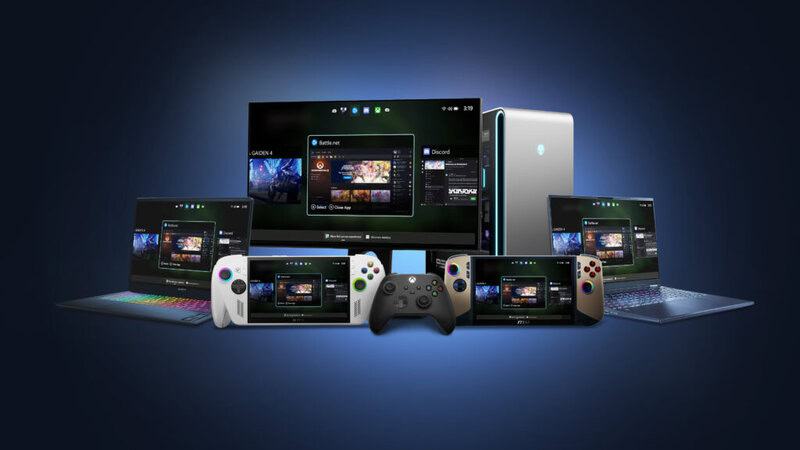
Xbox’s Ambitious Preservation Strategy: The “Positron” Initiative Explained
A fresh wave of internal documentation has surfaced, shedding light on Microsoft’s aggressive roadmap for gaming preservation. Following recent acknowledgments from Xbox President Sarah Bond regarding the company’s commitment to long-term library accessibility, these leaked communications provide a concrete look at how the platform intends to bridge the gap between legacy titles and modern hardware.
The Mechanics of the “Positron” Program
At the heart of this strategy is a project codenamed “Positron.” This initiative is designed to solve a long-standing friction point for collectors: the transition from physical media to digital ownership. Essentially, Positron functions as a disc-to-digital bridge, allowing users to verify their physical ownership of legacy titles and unlock digital versions for use on current and future hardware.
While the industry has struggled with the “digital-only” shift, this program mirrors the convenience of services like Movies Anywhere, but applied to the gaming ecosystem. By streamlining the verification process, Microsoft aims to ensure that a library built on a decade-old console remains relevant in an era where disc drives are becoming increasingly rare.
Strategic Timeline and Rollout
According to the leaked schedule, the rollout is set to occur in distinct phases:
* August 2024: The official launch of the Positron disc-to-digital program.
* October 2024: The expansion of the Xbox Backwards Compatibility initiative for PC users.
* 2027-2028: The full-scale integration of Xbox 360 titles into the next generation of Xbox hardware.
Industry analysts note that this timeline aligns with the typical hardware refresh cycle, suggesting that the next iteration of the Xbox console will be built with native emulation support as a core feature rather than an afterthought.
The Role of Emulation in Modern Gaming
The backbone of this entire operation is a sophisticated, proprietary Xbox 360 emulator. By leveraging emulation, Microsoft is bypassing the need for expensive, per-game porting efforts. This is a significant shift; rather than rebuilding games from the ground up, the emulator acts as a virtual environment that allows legacy code to run on modern architecture with improved performance, such as higher frame rates and resolution scaling.
A Partnership-First Approach
The success of this initiative hinges on publisher cooperation. Because intellectual property rights are complex, Microsoft cannot simply force every legacy title into the program. To incentivize developers and publishers, the company has outlined a “low-lift” value proposition:
* Technical Heavy Lifting: Xbox handles all engineering, quality assurance, and certification processes.
* Publisher Autonomy: Publishers retain total control over pricing, licensing, and brand identity.
* Simplified Integration: The publisher’s only responsibility is to opt-in and define the commercial terms.
By removing the technical burden from the rights holders, Microsoft is effectively creating a “plug-and-play” ecosystem for classic games, which could revitalize back-catalog sales for publishers who previously viewed older titles as dormant assets.