



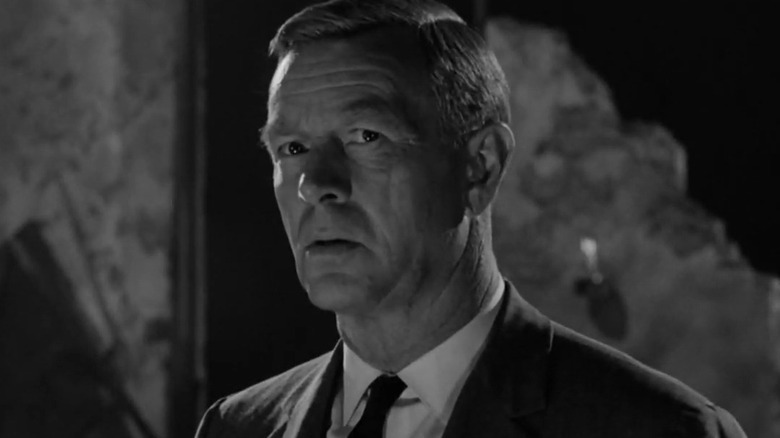
A Cold War Twist on a Dickensian Classic
In the mid-1960s, the television landscape was forever altered by a unique, albeit divisive, experiment in storytelling. Joseph L. Mankiewicz-the visionary creative force behind the legendary “All About Eve”-stepped away from the silver screen to helm his sole television production: “Carol for Another Christmas.”
This 1964 special served as a radical reimagining of Charles Dickens’ timeless novella, “A Christmas Carol.” Rather than a Victorian ghost story, the narrative was transplanted into the tense, paranoid atmosphere of the Cold War era. The project boasted an impressive pedigree, featuring a script penned by Rod Serling, who had only recently concluded the original run of his iconic series, “The Twilight Zone,” that June.
Casting and Scheduling Missteps
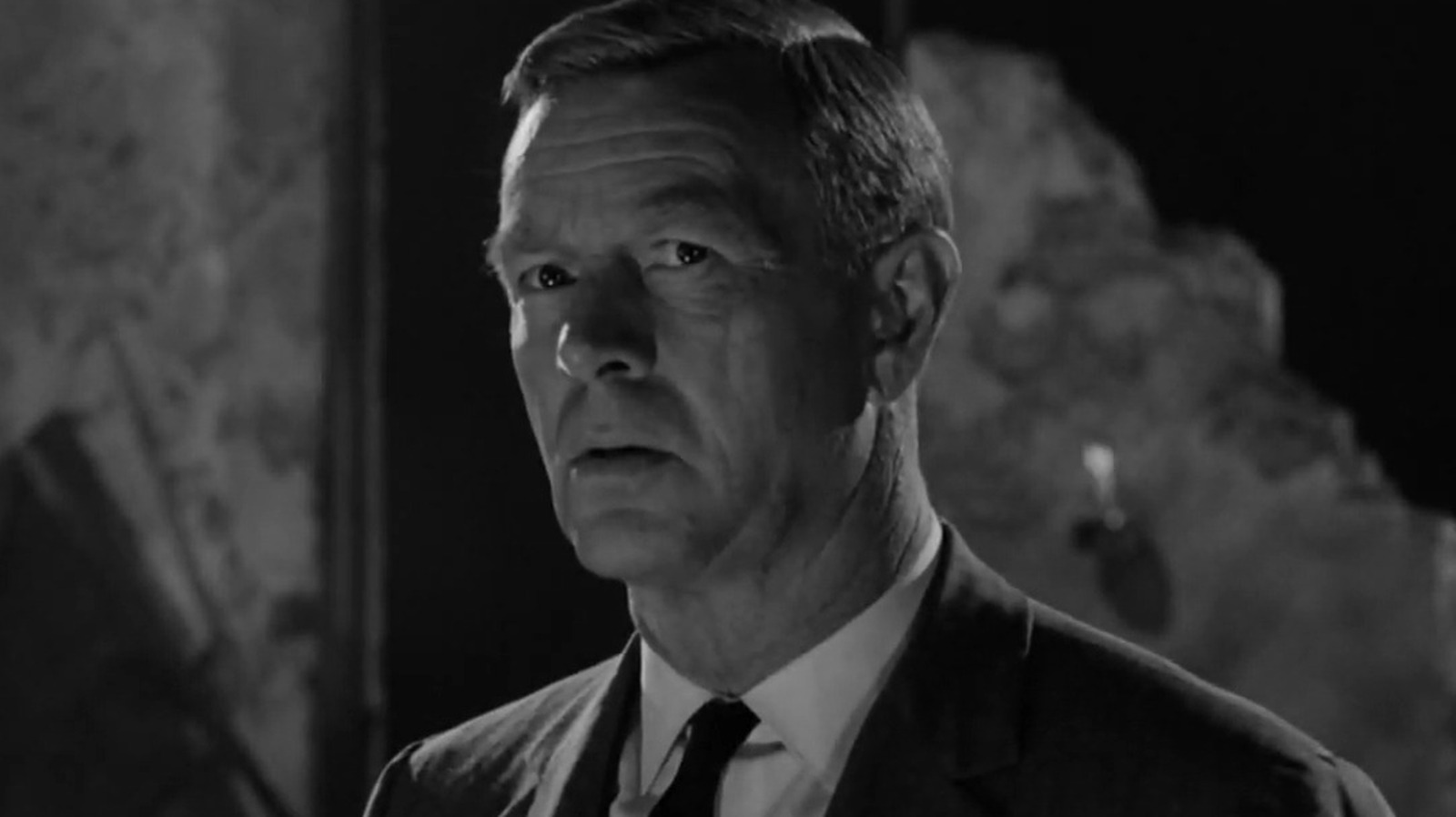
The production featured Sterling Hayden in the lead role, portraying a character analogous to Ebenezer Scrooge. Hayden, who had garnered significant acclaim for his performance in Stanley Kubrick’s “Dr. Strangelove” earlier that same year, brought a grim, weary intensity to the role.
Despite the high-profile talent involved, the project faced significant logistical hurdles. Most notably, the broadcast timing was arguably disastrous; the special premiered on December 28, 1964-a full three days after the holiday had already passed. This scheduling choice likely contributed to the lukewarm reception the film received from audiences who were already moving past the festive season.
From Victorian Miser to Political Isolationist
In this Serling-penned adaptation, the protagonist is rechristened Daniel Grudge. Unlike the original Scrooge, whose greed was rooted in personal avarice, Grudge is defined by a rigid, isolationist political ideology. As the narrative unfolds, Grudge is presented not merely as a man who hates the holidays, but as a symbol of the post-WWII American psyche grappling with the complexities of global responsibility and the looming threat of nuclear annihilation.