



A Symbolic Homecoming: By Malene Birger’s Runway Revival
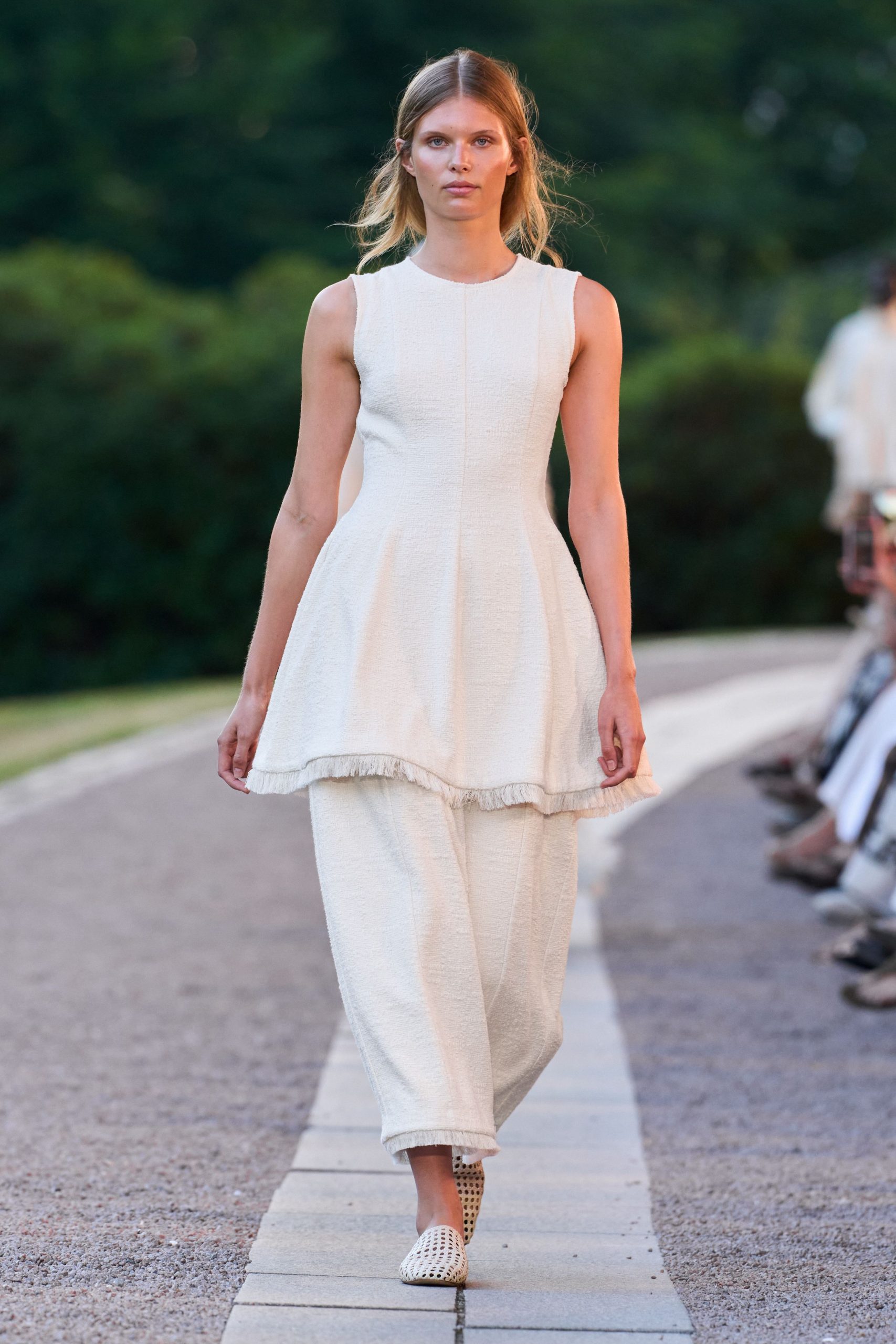
After a six-year hiatus from the traditional runway circuit, By Malene Birger made a poignant return to the spotlight. Rather than opting for a sterile urban venue, creative director Emilie Martinsen-Kønigsfeld chose to host the event at her family’s sprawling private estate on the outskirts of Copenhagen. The choice of location was deeply intentional, transforming the natural landscape-complete with reflective ponds, meticulously groomed gardens, and classical sculptures-into a living backdrop that mirrored the brand’s heritage.
Designing for the Arc of the Day
The show was a masterclass in thematic cohesion, with every element-from the soundtrack featuring Caribou’s “Sun” to the intricate sun-shaped hardware on the garments-reinforcing a narrative of light and transition. Martinsen-Kønigsfeld, appearing alongside the brand’s newly appointed head designer, Sydney Roark, emphasized that the collection was built to serve the modern woman’s entire daily cycle.
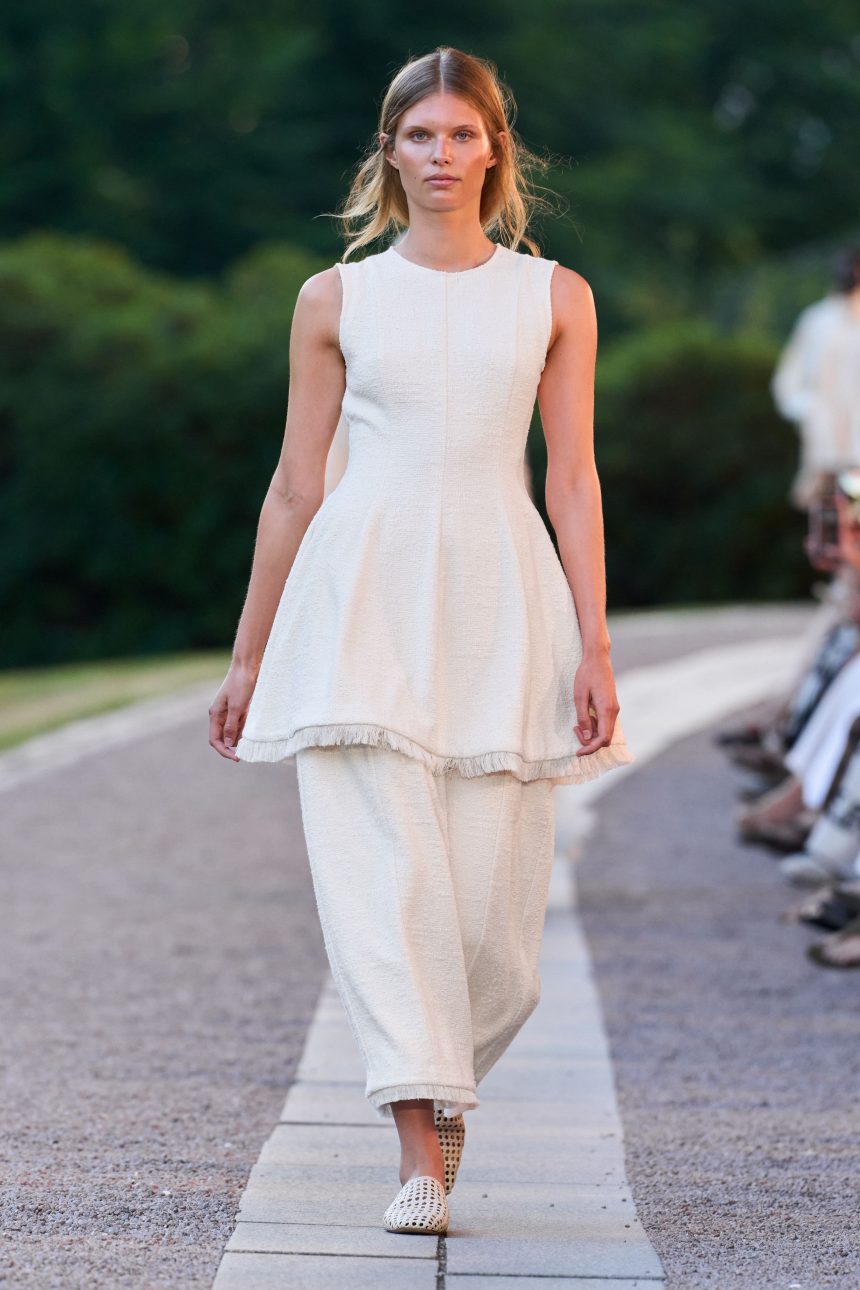
This temporal concept was woven directly into the fabric of the collection. The color story functioned as a visual clock: the presentation opened with crisp, ethereal whites, transitioned into rich, honeyed golds, and eventually deepened into sophisticated, nocturnal blacks. This approach mirrors a growing trend in the luxury sector where “day-to-night” versatility is no longer just a marketing buzzword but a consumer requirement; according to recent industry reports, over 65% of luxury shoppers now prioritize multi-functional pieces that offer high utility without sacrificing elegance.
Refining the Brand Identity
While the collection was undeniably polished and aesthetically refined, it leaned into a “greatest hits” philosophy. By Malene Birger used this moment to re-establish its core identity rather than reinventing the wheel. The pieces felt familiar, acting as a curated retrospective of the brand’s most successful design codes. For instance, the dramatic tassels trailing from high-collared raincoats served as a nod to the brand’s Resort 2027 archives, while the strategic use of ponyskin textures echoed fan-favorite silhouettes from previous years.
This “safe” approach is a strategic move often seen in legacy brands looking to stabilize their market position after a period of absence. By grounding the collection in proven successes, the design team successfully reminded their audience of the brand’s foundational DNA, ensuring that the return to the runway felt like a homecoming rather than a departure.