
![Paper Tiger Review: Adam Driver Steals The Show In James Gray’s Autobiographical Crime Drama [NYFF]](https://www.mixtv1.com/wp-content/uploads/2026/09/36092-attachment.jpg)



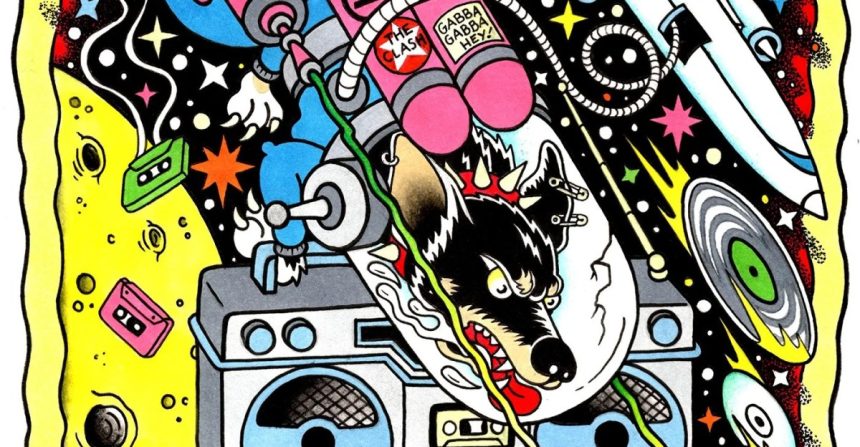
The Current Status of No Dogs in Space: A Deep Dive into Music History
For dedicated listeners of No Dogs in Space, the silence on the podcast feed has been palpable. Since the conclusion of their exploration into the experimental rock legends Can in July 2024, the show has remained on an indefinite hiatus. This final installment served as the capstone for a shortened third season, leaving many fans-myself included-wondering about the future of the series.
While the first two seasons established a high bar for music journalism, the trajectory of season three felt particularly promising. There was a palpable sense of momentum building toward a comprehensive examination of the Krautrock movement. However, the season concluded with hosts Marcus Parks (known for his work on Last Podcast on the Left) and Carolina Hidalgo announcing a pivot back to the roots of punk rock, followed by a sudden cessation of new content.
Why This Podcast Remains Essential Listening
Despite the current lack of updates, the existing archive of 73 episodes stands as a monumental achievement in music podcasting. For those who live and breathe music history, this show is an indispensable resource. The chemistry between the husband-and-wife team transforms what could be dry biographical data into a compelling narrative journey.
Whether they are dissecting the cultural impact of the Beastie Boys, the avant-garde influence of The Velvet Underground, or the melancholic brilliance of Joy Division, the research is consistently exhaustive. Even for listeners who consider themselves experts on seminal acts like The Stooges, the show frequently unearths obscure anecdotes and contextual details that are often overlooked by mainstream music documentaries.
Unmatched Depth and Narrative Scope
What sets this podcast apart from standard music commentary is its commitment to long-form storytelling. The hosts refuse to rush their subjects, often dedicating several hours across multiple episodes to a single artist or movement.
To put this level of detail into perspective, consider their deep dive into the Krautrock scene. Their introductory coverage, which places a significant spotlight on the psychedelic soundscapes of Amon Düül II, spans over three hours of audio. This dedication to “slow-burn” music history allows the listener to fully immerse themselves in the evolution of a band’s sound, providing a level of nuance that shorter, episodic formats simply cannot replicate.