
The Future of Hogwarts Legacy: A Strategic Pivot Amid Corporate Turbulence
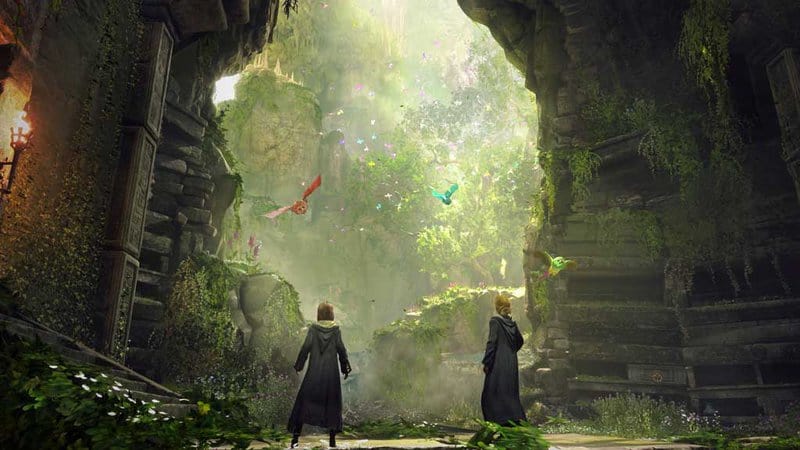
Warner Bros. Discovery has officially signaled that a sequel to the blockbuster hit Hogwarts Legacy is currently in development. This confirmation arrived via a recent quarterly earnings report, serving as a strategic anchor for the company during a period of intense internal and external instability.
A Strategic Commitment to Gaming
In a formal communication addressed to shareholders, the company outlined its roadmap for future growth, explicitly stating: “We expect Games to more meaningfully contribute to segment profitability going forward as our pipeline expands, including the second installment of Hogwarts Legacy.”
While the announcement confirms the existence of the project, the timing is arguably more significant than the game itself. By highlighting their most successful intellectual property, Warner Bros. is attempting to project stability to investors who are currently navigating a landscape of corporate volatility.
Navigating a Complex Merger Landscape
The backdrop for this announcement is a high-stakes corporate drama. Paramount Skydance has been actively pursuing an acquisition of Warner Bros. Discovery, a move that would reshape the media landscape. However, this potential merger has hit a significant roadblock: a coordinated antitrust lawsuit filed by 12 U.S. states.
The situation has escalated to the point where Warner Bros. has hinted at the possibility of relocating operations out of California, citing the state’s aggressive stance from the Attorney General. Should the merger proceed under the current regulatory scrutiny, industry analysts anticipate significant workforce reductions. Such a restructuring would inevitably impact the gaming division, which has recently faced its own set of challenges following the underperformance of titles like Suicide Squad: Kill the Justice League.
Why the Sequel Matters Now
The gaming industry is currently experiencing a “hit-driven” economy. According to recent market data, single-player, open-world RPGs continue to command the highest engagement rates, with Hogwarts Legacy alone selling over 22 million units in 2023. By prioritizing a sequel, Warner Bros. is leaning into a proven revenue stream to offset the risks associated with their broader corporate restructuring.
For fans, this confirms that the Wizarding World remains a cornerstone of the company’s long-term strategy. For investors, it is a calculated move to demonstrate that despite the looming threat of litigation and potential layoffs, the company’s most valuable assets remain firmly on track.