


When you purchase through links in our articles, we may earn a small commission. This doesn’t affect our editorial independence.
Understanding Anthropic’s New Invisible Watermarking Strategy for Claude
Published: August 17, 2026
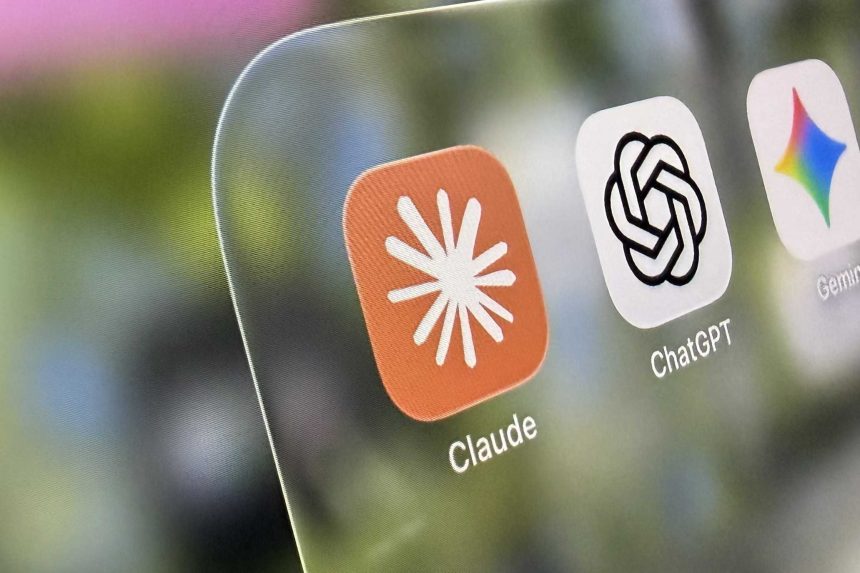
Anthropic has officially announced plans to integrate invisible watermarking into all text generated by its AI model, Claude. As the industry grapples with the rise of synthetic content, this move aims to provide a reliable method for identifying machine-generated text. However, the announcement has sparked a critical debate among users and developers alike: will this technical layer compromise the linguistic integrity or creative nuance of Claude’s responses?
How the Watermarking Mechanism Functions
Rather than appending a visible tag or a digital signature to the end of a document, Anthropic is embedding the watermark directly into the fabric of the prose. The system functions by subtly influencing the model’s probability distribution when selecting the next word in a sequence. By nudging the AI toward specific word choices that follow a detectable statistical pattern, the system creates a “fingerprint” that is invisible to human readers but easily identifiable by detection software.
Think of it like a professional editor who consistently prefers one synonym over another-the meaning remains identical, but the stylistic “thumbprint” becomes recognizable to those who know what to look for. According to recent industry data, as AI-generated content is projected to account for over 90% of online text by 2027, such provenance tools are becoming essential for maintaining digital trust.
Will Output Quality Suffer?
The primary concern for power users is whether these statistical nudges will degrade the quality of the output. Anthropic maintains that the impact on the model’s reasoning capabilities and creative flair will be negligible. The company asserts that the watermark is designed to operate within the model’s existing vocabulary preferences, ensuring that the tone, accuracy, and logical flow remain consistent with Claude’s standard performance.
While the company promises that the user experience will remain seamless, it is worth noting that any constraint placed on an LLM’s probabilistic choices can theoretically lead to minor shifts in style. For instance, if the watermark forces the model to favor a specific phrasing, it might occasionally bypass a more idiomatic or punchy alternative. However, for the vast majority of professional and creative tasks, these adjustments are expected to be imperceptible.
The Broader Implications for AI Transparency
This initiative represents a significant shift in how AI companies approach accountability. By embedding watermarks at the generation level, Anthropic is attempting to get ahead of potential regulatory requirements regarding AI disclosure. This proactive stance mirrors the efforts seen in image generation, where metadata and invisible pixel-level markers are already used to distinguish synthetic media from authentic photography.
As we move toward a future where distinguishing between human and machine authorship is increasingly difficult, these invisible markers serve as a vital safeguard against misinformation and academic dishonesty. For a deeper dive into the technical specifications and the company’s official stance, you can review their detailed breakdown here.


![[UNVRS] shares details of Ibiza 2026 season closing party](https://www.mixtv1.com/wp-content/uploads/2026/08/22887-attachment.jpg)