





# Understanding the Pathogens Behind Foodborne Illness
Food poisoning is a broad clinical term used to describe gastrointestinal distress triggered by the ingestion of tainted food or beverages. While the symptoms-such as nausea, cramping, and vomiting-often feel similar, the underlying culprits are diverse, ranging from various bacteria to viruses and parasites. Identifying the specific germ responsible is essential for proper treatment and prevention.
## The Complexity of Salmonella Infections
Among the most recognized foodborne pathogens is salmonella. While it is a household name, many are unaware that this genus is incredibly diverse, encompassing over 2,000 distinct serotypes.
### Common Sources and Transmission
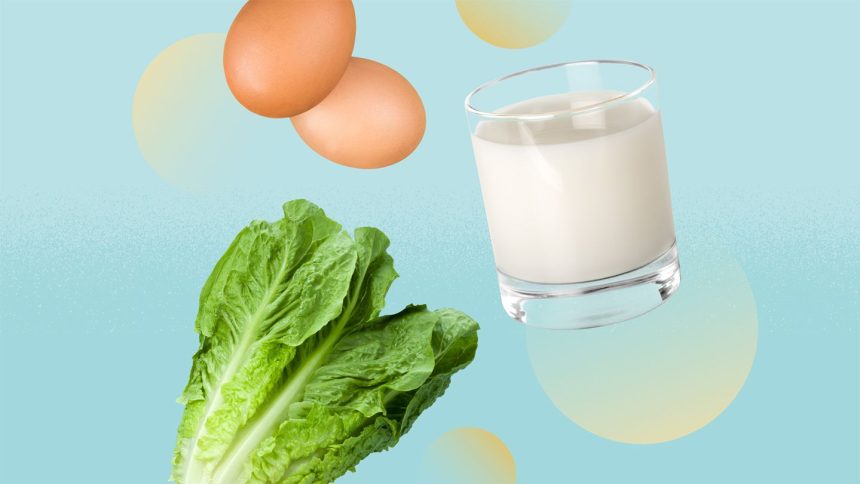
Historically, public perception links salmonella primarily to poultry, dairy, and eggs. However, the reality is far more complex. Contamination can occur in unexpected places, including fresh produce, processed snacks, and even contaminated water supplies.
The introduction of these bacteria into the food supply typically occurs during the industrial processing phase or through improper handling by food service workers. According to the Centers for Disease Control and Prevention (CDC), salmonella remains a leading cause of bacterial gastroenteritis in the United States, accounting for over 1.3 million infections annually.
### Clinical Presentation
The severity of a salmonella infection, or salmonellosis, exists on a wide spectrum. As noted by Kristina D. Mena, PhD, the El Paso dean for the UTHealth Houston School of Public Health, the clinical manifestation of the illness is highly variable. Patients may experience anything from a transient, mild case of stomach inflammation to debilitating, long-term diarrhea that requires medical intervention.
To put the risk into perspective, consider the “cross-contamination” analogy: much like a single drop of ink can discolor an entire glass of water, a small amount of salmonella-tainted residue on a kitchen cutting board can easily compromise an entire meal, even if the primary ingredients were initially safe. Maintaining rigorous hygiene standards-such as separating raw meats from ready-to-eat foods-is the most effective defense against these microscopic threats.