

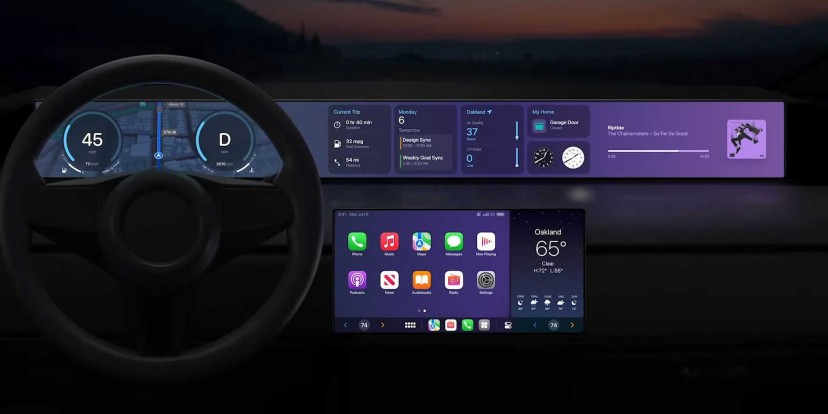
## The Digital Dashboard Dilemma: Why Touchscreens Are Compromising Road Safety
Over the past ten years, the automotive industry has undergone a radical transformation, shifting from tactile, physical buttons to expansive, high-definition digital displays. While these sleek interfaces offer a futuristic aesthetic, the industry may have overcorrected. A growing chorus of motorists is expressing frustration over convoluted user interfaces that force them to navigate through multiple sub-menus just to perform basic functions, such as modifying cabin temperature or switching audio tracks.
### Beyond Frustration: The Quantifiable Danger of Screen-Centric Design
The issue extends far beyond mere annoyance; it is a legitimate safety concern. Recent research highlights that the reliance on touch-centric controls is actively degrading driver focus. A pivotal study conducted by the Swedish automotive publication *Vi Bilägare* provides empirical evidence that the transition to all-digital cockpits has made the driving experience significantly more distracting.
To put this into perspective, consider the cognitive load required to operate a modern infotainment system. In a traditional vehicle, a driver can adjust the fan speed or volume by feel, relying on muscle memory. In contrast, a touchscreen requires visual confirmation-the driver must take their eyes off the road to ensure they are tapping the correct icon. This “eyes-off-the-road” time is a primary contributor to traffic accidents.
### Analyzing the Data: The 2022 Performance Benchmark
The initial investigation by *Vi Bilägare* in 2022 utilized a controlled environment to measure exactly how much attention these systems demand. Participants were tasked with executing routine adjustments-such as tweaking climate settings, toggling radio stations, and modifying screen brightness-while operating vehicles at highway speeds on a closed airfield.
The results were alarming. The data revealed that the time required to complete these simple tasks via a touchscreen was exponentially higher than using physical knobs or switches. As manufacturers continue to prioritize minimalist, screen-heavy dashboards to cut costs and appeal to tech-savvy consumers, the gap between user-friendly design and actual road safety continues to widen. With modern vehicles now acting as rolling computers, the industry must decide if the “wow factor” of a massive display is worth the increased risk of driver distraction.