




The Allure of the Edge: Why We’re Drawn to Britain’s Northernmost Frontier
There is a peculiar, almost obsessive habit many of us share: losing ourselves in digital maps. Whether it’s tracing the jagged coastlines of remote archipelagos or scouting isolated structures in the heart of desolate plains, there is a magnetic pull to the fringes of the world. For me, the Shetland Islands have always been a recurring destination in my virtual travels. Specifically, my gaze often settles on Out Stack-a rugged, uninhabited skerry that serves as the final, defiant outpost of the British Isles before the North Atlantic takes over. There is a profound sense of closure in reaching a geographical terminus, a feeling that transforms a simple map coordinate into a bucket-list obsession.
Standing at the Precipice of the British Isles
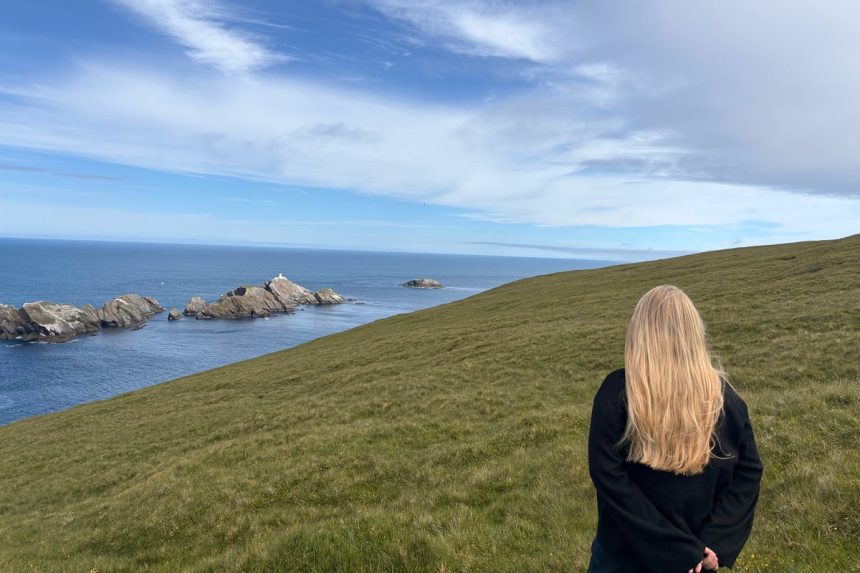
Transitioning from a glowing screen to the raw, wind-whipped reality of the Hermaness National Nature Reserve was a transformative experience. As I stood on the precipice, staring out at the jagged silhouette of Out Stack, the abstract concept of a “northernmost point” suddenly crystallized. It is easy to see why the Romantic poets were so captivated by the British landscape; there is a visceral, humbling power in these extreme boundaries that modern life rarely offers.
During my trek, I encountered fellow hikers who were clearly moved by the same sentiment. We shared a quiet, unspoken camaraderie-a collective thrill in knowing that, for that brief moment, we were the northernmost inhabitants of the country. It is a unique psychological high, a sense of accomplishment that comes from reaching the literal edge of the map.
The Journey to Unst: A Hiker’s Pilgrimage
Reaching this vantage point is not merely a sightseeing trip; it is a commitment to the landscape. Located on Unst, the northernmost inhabited island in the UK, the hike through the Hermaness reserve is a moderate but rewarding endeavor. The trail winds through terrain that feels ancient and untouched, demanding about an hour of steady walking to reach the cliff’s edge.
Recent data on UK tourism highlights a growing trend in “extreme-point” travel, with remote regions like Shetland seeing a steady increase in visitors seeking solitude and connection with untamed environments. Unlike the crowded peaks of the Lake District or the well-trodden paths of the Cotswolds, the trek to Out Stack offers a rare, meditative silence. It is a reminder that while we live in an increasingly connected world, there is still immense value in seeking out the places where the map effectively ends.