


Why The Witcher 3’s Latest Overhaul Demands a Return to the Continent
The dedication CD Projekt Red pours into The Witcher 3: Wild Hunt has always been palpable, transcending the typical developer-publisher relationship. Even during the high-pressure development cycle of Cyberpunk 2077, internal teams frequently pivoted back to Geralt’s world, providing hands-on support for the influx of content that coincided with Henry Cavill’s debut in the Netflix adaptation. This level of commitment is rare in an industry often defined by rapid turnover and abandonment of legacy titles.
A Remaster Built on Substance, Not Just Hype
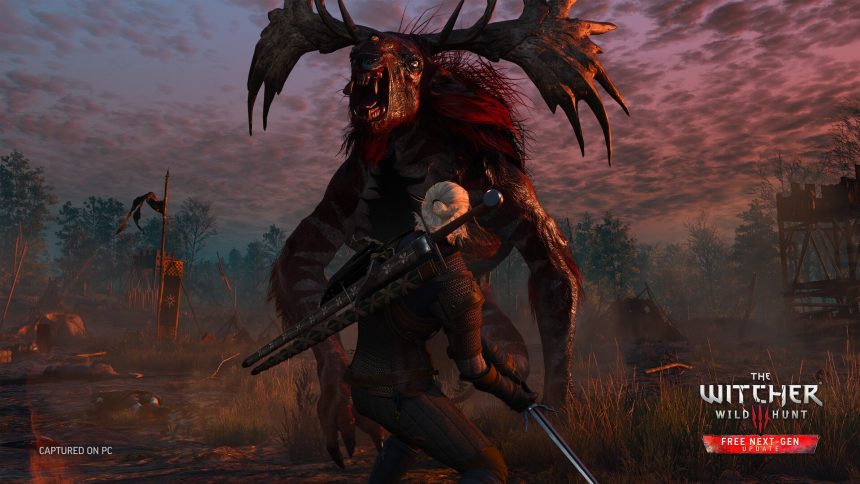
When the studio announced a comprehensive remaster, it wasn’t just another routine graphical update. The sheer volume of technical refinements and quality-of-life adjustments suggests a project fueled by genuine affection rather than a simple cash grab. While the patch notes are extensive, the core takeaway is clear: the developers have addressed enough foundational elements to make a second, hundred-hour journey through the Northern Kingdoms feel like a fresh experience rather than a nostalgic chore.
Is Now the Right Time for a Revisit?
Admittedly, diving into a sprawling, open-world epic like The Witcher 3 requires a significant time investment. With the gaming calendar becoming increasingly crowded, committing to a title that can easily consume over 150 hours for a completionist run is a daunting prospect. However, the technical improvements-ranging from ray-tracing integration to modernized camera controls-effectively remove the friction that might have hindered players in the past.
Much like revisiting a classic novel that has been annotated with new, insightful commentary, this remaster allows veteran players to appreciate the narrative depth of the game without the technical limitations of the 2015 original. Whether you are a newcomer or a seasoned monster hunter, the current state of the game offers the most polished version of the Continent to date.