




New Safety Mandates for Laser Displays at Burning Man 2026
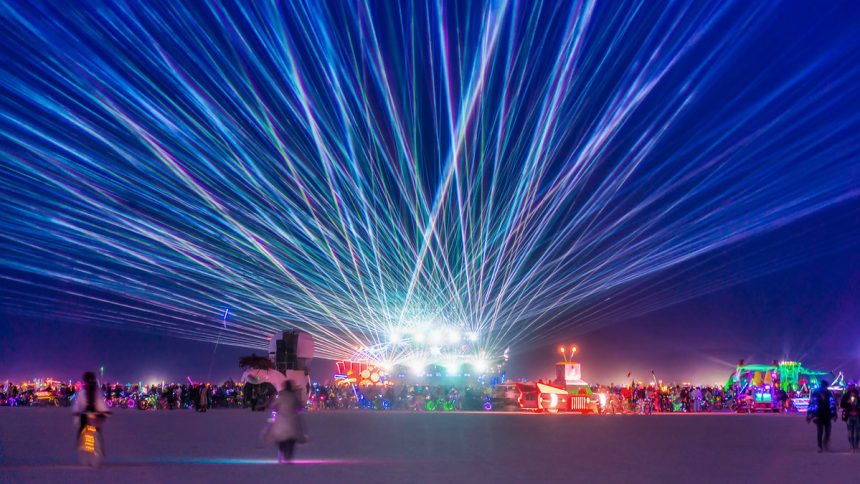
For years, the nocturnal horizon of the Black Rock Desert has been defined by vibrant, sweeping beams of light. However, as the 2026 edition of Burning Man approaches, the event’s leadership is implementing a more rigorous regulatory framework to govern the use of laser technology across the playa.
Evolving Risks in a High-Tech Environment
The decision to tighten oversight stems from the rapid evolution of laser hardware. Modern equipment has become significantly more potent and accessible, shifting the safety landscape for large-scale gatherings. While the organization remains committed to the aesthetic tradition of light art, they are prioritizing participant safety by shifting the burden of responsibility onto those who deploy these high-powered systems.
Under the new laser safety protocol, the rules are clear: handheld laser devices are strictly forbidden. For larger setups-such as those integrated into Mutant Vehicles, elaborate theme camps, or standalone art installations-the barrier to entry has been raised significantly.
Mandatory Compliance and Operational Oversight
To ensure these displays do not pose a hazard to the thousands of attendees, the organization has introduced a multi-layered compliance process. Key requirements for 2026 include:
- Designated Safety Leadership: Every approved laser installation is now required to appoint a certified Laser Safety Officer. This individual is tasked with the direct supervision of the equipment and the comprehensive training of all personnel operating the system.
- Pre-Event Registration and On-Site Audits: Operators must register their hardware well before arriving at Black Rock City. Once on the playa, all systems must undergo a physical inspection to ensure they meet safety standards before they are permitted to power on.
- Regulatory Documentation: Depending on the intensity and scope of the laser system, operators may be required to provide formal documentation from the FDA and secure specific clearance from the Federal Aviation Administration (FAA) to prevent interference with aircraft.
Strict Operational Boundaries
Even after receiving approval, operators must adhere to strict spatial guidelines. To mitigate the risk of ocular injury, active beam zones must maintain a buffer of at least 10 feet from any participant or uncontrolled public space. This move mirrors safety trends seen in professional concert production, where high-output lasers are increasingly restricted to controlled, elevated paths to avoid direct contact with crowds.