





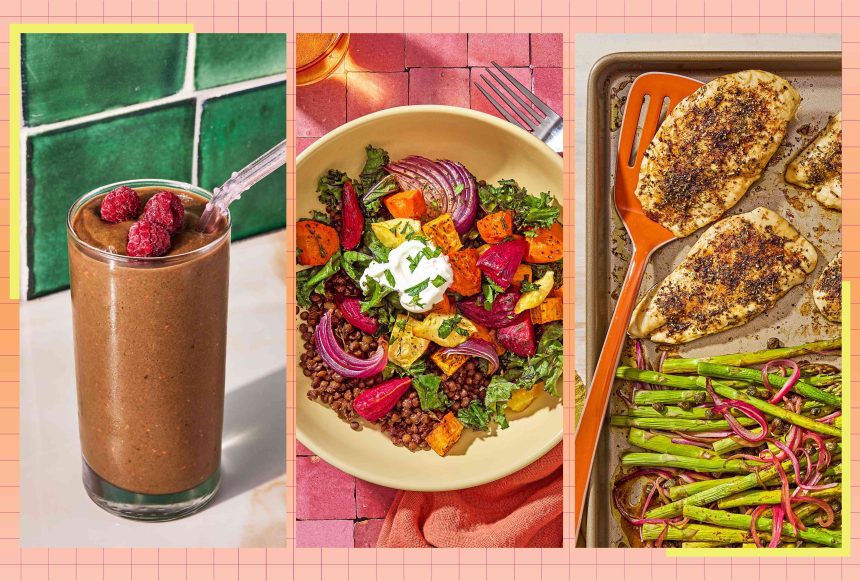
Strategies for Targeting Visceral Fat: The Power of Anti-Inflammatory Nutrition
Visceral fat-the deep-seated adipose tissue surrounding your internal organs-is more than just a cosmetic concern; it is a metabolically active tissue linked to chronic health issues like insulin resistance and cardiovascular disease. While spot-reducing fat is physiologically impossible, shifting your nutritional focus toward an anti-inflammatory, antioxidant-dense dietary pattern can significantly influence your body’s ability to mobilize and shed this stubborn fat.
Why Inflammation and Visceral Fat Are Linked
Chronic, low-grade inflammation often acts as a catalyst for visceral fat accumulation. When the body is in a constant state of inflammatory stress, it struggles to regulate metabolic hormones like cortisol and insulin, which signal the body to store energy around the midsection. By prioritizing whole, nutrient-dense foods, you can lower systemic inflammation, effectively “unlocking” your metabolism to burn stored fat more efficiently.
Building a Metabolic-Friendly Plate
To combat visceral fat, your daily intake should prioritize foods that neutralize oxidative stress. Think of your diet as a biological defense system:
* Phytochemical Powerhouses: Incorporate deep-pigmented vegetables like kale, blueberries, and beets. These are packed with antioxidants that protect cells from the damage caused by excess fat storage.
* Omega-3 Fatty Acids: Swap pro-inflammatory processed oils for healthy fats found in wild-caught salmon, walnuts, and chia seeds. These fats are essential for maintaining healthy cell membranes and reducing inflammatory markers.
* Fiber-First Approach: High-fiber intake-from legumes, quinoa, and cruciferous vegetables-is crucial. Fiber slows the absorption of glucose, preventing the insulin spikes that trigger visceral fat storage.
The Role of Consistency Over Intensity
Recent clinical data suggests that long-term adherence to an anti-inflammatory protocol is more effective than short-term “crash” dieting. Research indicates that individuals who maintain a consistent intake of polyphenols-found in green tea, extra virgin olive oil, and dark cocoa-show a marked reduction in waist circumference over a 12-week period compared to those on standard low-calorie diets.
Rather than viewing your meals as a restriction, view them as a strategic intervention. By consistently fueling your body with anti-inflammatory compounds, you create an internal environment where visceral fat is no longer the body’s preferred energy reserve.
For a structured approach to implementing these dietary changes, you can follow this comprehensive guide: » More Info >>>