



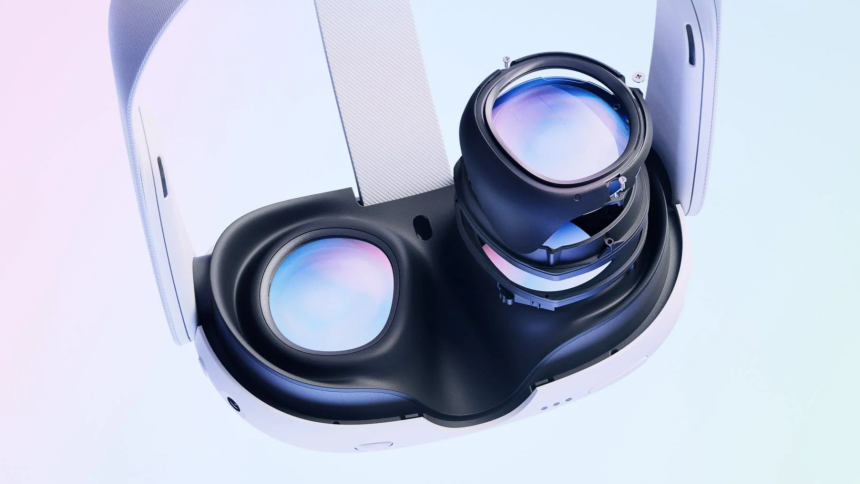
Enhancing Quest Performance: Horizon OS 2.7 Introduces Gamepad Emulation and Display Upgrades
Meta has officially begun deploying Horizon OS 2.7, a significant software update for the Quest 3 and Quest 3S ecosystem. This release focuses on expanding input versatility and pushing the boundaries of display performance, offering users more control over how they interact with their virtual environments.
Transforming Touch Plus Controllers into Gamepads
One of the most anticipated additions in this update is the native Gamepad Emulation mode. By navigating to Settings > Devices > Controllers, users can now configure their Touch Plus controllers to mimic the input signals of a standard Xbox controller.
This functionality effectively bridges the gap between VR hardware and traditional 2D gaming. Whether you are navigating complex menus in a desktop-streamed title or playing a controller-native game like Zenless Zone Zero via Steam Link, the Quest hardware can now act as a primary input device without requiring third-party peripherals.
While similar mapping capabilities have long been available through specialized software like Virtual Desktop, having this integrated directly into the OS provides a more seamless, low-latency experience. Users can customize their layout, utilizing the Grip button or the Thumbrest as an input modifier to ensure all necessary commands are mapped comfortably.
Pushing Visual Boundaries: New Refresh Rates
Beyond input changes, Meta is addressing the demand for smoother visuals. The update introduces extended refresh rates for the Quest 3, allowing for higher frame rates that significantly reduce motion blur and improve immersion.
As of 2024, high-refresh-rate gaming has become a standard expectation for enthusiasts, with many PC monitors pushing 144Hz or higher. By enabling these latest update for Quest headsets display modes, Meta is aligning its standalone hardware more closely with the fluid performance found in high-end desktop gaming setups. These adjustments are particularly beneficial for fast-paced titles where millisecond-level responsiveness is critical.
Why This Matters for the Ecosystem
The integration of these features signals a shift in how Meta views the Quest 3. It is no longer just a dedicated VR device; it is evolving into a comprehensive “spatial computer” capable of handling traditional gaming libraries with ease. By reducing the friction between VR and flat-screen gaming, Meta is making the Quest a more viable “all-in-one” solution for gamers who don’t want to juggle multiple controllers or hardware setups.